



Products


High-Absorption Liposomal Vitamin A (Retinyl Palmitate) Powder 50% 80% Science-Backed Formula Ingredient
Liposomal Vitamin A Powder
50% / 80% Retinyl Palmitate
Vitamin A is one of the most extensively studied essential nutrients — yet in standard powder formats, its fat-soluble nature limits what it can achieve. Poor water dispersibility, uneven blending, and progressive oxidation during storage mean that what goes into the formulation isn’t always what reaches the consumer. Liposomal Vitamin A Powder changes this equation by wrapping Retinyl Palmitate (CAS 79-81-2) within phospholipid bilayer vesicles — transforming a hydrophobic crystal into a water-dispersible, oxidation-protected ingredient designed for consistent performance from manufacturing to consumption. Available at 50% and 80% active loading.
50% / 80% Loading
CAS 79-81-2
Technical Specifications
SPECS
Liposomal Delivery Science
TECHNOLOGY
The core challenge with fat-soluble nutrients in powder supplements is simple but significant: hydrophobic actives don’t mix well with hydrophilic systems. In the body, vitamin A naturally dissolves in dietary fats and incorporates into mixed micelles for absorption — a lipid-rich digestive environment. In a dry powder capsule or tablet, that environment doesn’t exist.
Liposomal encapsulation bridges this gap using the same structural principle found in every living cell:
1 Phospholipid Bilayer Architecture
Phospholipids self-assemble into microscopic vesicles (80–300nm) — lipid-loving heads oriented inward around the vitamin A payload, water-compatible tails facing outward. This creates a carrier that disperses uniformly in water during manufacturing while keeping the active shielded from oxygen and light.
2 Verified Encapsulation, Not Blending
Encapsulation Efficiency (EE% ≥85%) is verified via dialysis/HPLC — confirming the vitamin A is genuinely inside the vesicles, not simply mixed alongside free phospholipids. DLS particle sizing (80–300nm, PDI ≤0.35) confirms consistent vesicle formation across every batch.
3 From Process Ingredient to Finished Product
The practical outcome: a fat-soluble nutrient that behaves like a water-dispersible ingredient on the production floor, retains potency through the product shelf life without heavy antioxidant systems, and delivers consistent per-unit dosing in the finished supplement.
What Sets This Ingredient Apart
ADVANTAGES
Phospholipid Bilayer Protection
The same molecules that build every cell membrane form a protective vesicle around vitamin A — providing intrinsic oxidative shielding without relying on high-dose synthetic antioxidants. The phospholipid carrier itself has nutritional value as an essential membrane component.
EE% Verification: Proof of Encapsulation
Not all “liposomal” products deliver true encapsulation. We verify EE% ≥85% for every batch via dialysis/HPLC — confirming genuine vesicle loading, not simple phospholipid blending. Measured, documented, and batch-specific.
DLS Particle Size: Nano-Scale Consistency
Dynamic Light Scattering confirms 80–300nm vesicle dimensions with PDI ≤0.35 — small enough for stable suspension, precisely controlled enough for predictable per-unit dosing across production runs.
Cleaner Formulation, Same Shelf Life
With the phospholipid bilayer handling oxidation protection, formulators can reduce synthetic antioxidant loads — supporting cleaner Supplement Facts panels and more compelling brand transparency without compromising stability targets.
Quality Verification
QC
1. HPLC Active Assay
Every batch quantified by HPLC against declared loading (50% or 80% ±5%). This confirms the potency on the CoA matches the potency in the drum — not an estimate, not a “typical” value.
2. DLS Particle Size Analysis
Dynamic Light Scattering verifies vesicle dimensions (80–300nm) and PDI (≤0.35) upon rehydration. Consistent sizing means consistent dispersion, absorption profile, and per-unit dosing in finished products.
3. Encapsulation Efficiency (EE%)
Dialysis/HPLC methodology separates free vs. encapsulated vitamin A. EE% ≥85% (typical) distinguishes genuine liposomal encapsulation from simple phospholipid-vitamin mixtures.
4. Heavy Metal & Microbial Panel
ICP-MS: Pb ≤10ppm, As ≤1ppm, Cd ≤1ppm, Hg ≤0.1ppm. USP-compliant microbial screening (TPC, Yeast & Mold, E. coli, Salmonella) completed for every production batch before release.
Functional Roles
BENEFITS
Immune System Function
Vitamin A contributes to the normal function of the immune system — supporting first-line defense barriers and immune cell activity. Liposomal water dispersibility supports consistent active delivery across every dose in a production batch.
Vision & Eye Health
Vitamin A plays a well-established role in maintaining normal vision, forming the visual pigment rhodopsin in the retina. A cornerstone active in the global vision-health supplement category.
Skin & Mucosal Tissue Maintenance
Vitamin A supports the maintenance of normal skin and healthy mucosal tissues — the body’s protective interfaces. A foundational ingredient in the rapidly growing nutricosmetics and skin-nutrition segment.
Cellular Antioxidant Support
Retinyl Palmitate contributes to the body’s antioxidant defense network. Phospholipid encapsulation extends stability — more active reaches the consumer, less is lost to environmental degradation.
Formulation Applications
APPLICATIONS
Immune-Defense Daily Capsules
Multi-nutrient immune complexes pairing vitamin A with D3, Zinc, and C. The liposomal carrier’s uniform dispersion is particularly valuable where blend homogeneity directly affects per-capsule potency.
Vision-Health Complexes
Targeted eye-health formulas with lutein, zeaxanthin, and bilberry. Liposomal delivery addresses the oxidation sensitivity that can compromise potency in transparent capsule formats.
Skin-Nutrition (Nutricosmetics)
Beauty-from-within capsules with collagen peptides, biotin, and hyaluronic acid. The phospholipid encapsulation’s dual role — delivery + protection — provides a compelling technical narrative.
Multi-Nutrient Wellness Powders
All-in-one daily powders where fat-soluble and water-soluble nutrients must coexist in one stable format. The liposomal carrier enables vitamin A to disperse alongside water-soluble actives.
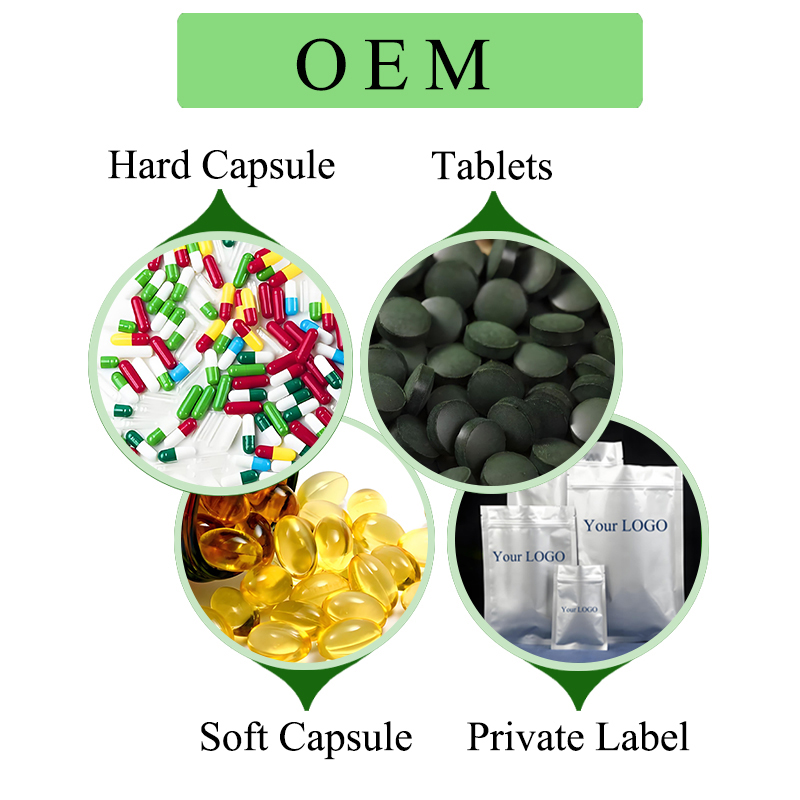
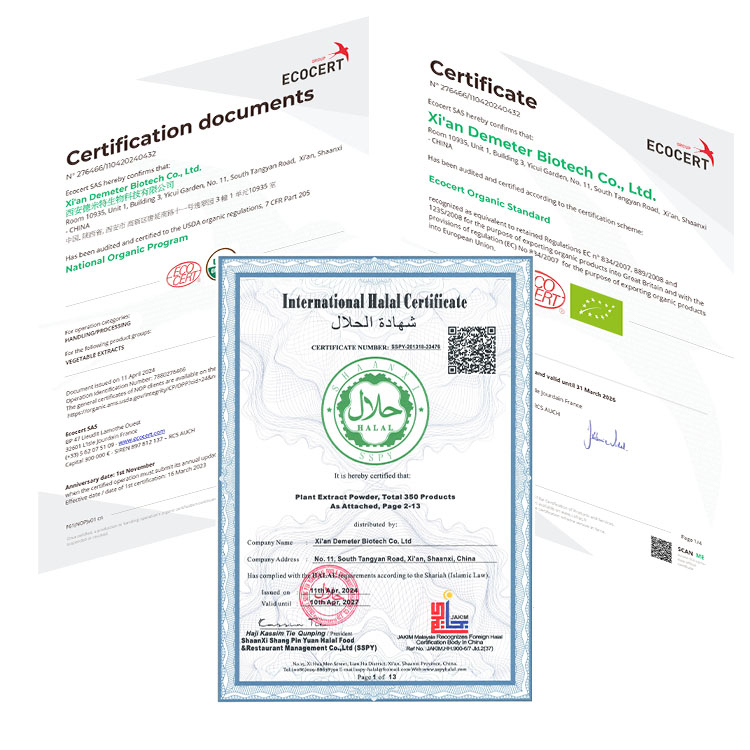
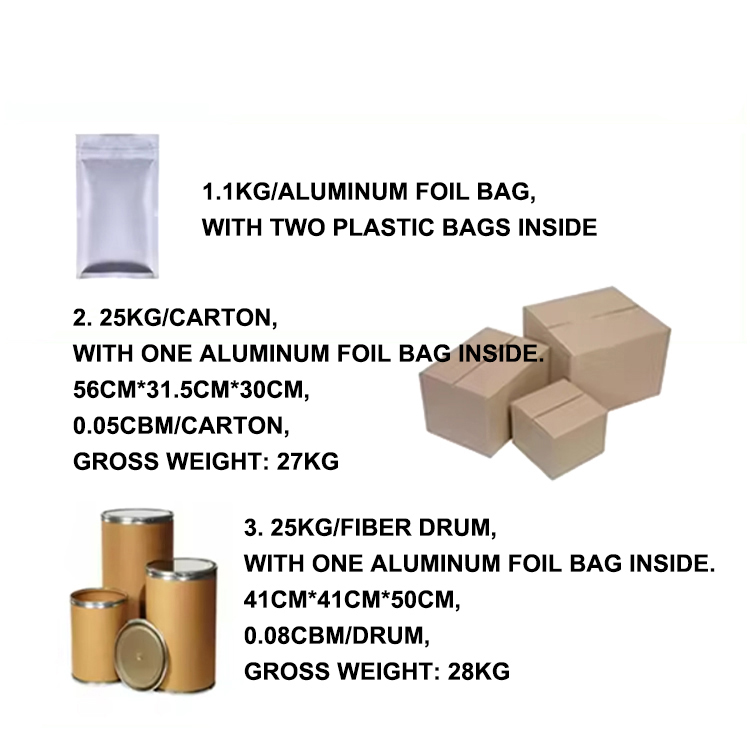
OEM & Packing
SERVICES

Technical FAQ
FAQ
What makes liposomal vitamin A different from standard vitamin A powder?
Standard retinyl palmitate is hydrophobic — it resists water dispersion, segregates in powder blends, and degrades through oxidation. Liposomal encapsulation wraps the vitamin A within phospholipid vesicles (verified by DLS particle sizing and EE% testing), which improves water dispersibility during manufacturing, provides a physical oxygen barrier during storage, and supports more uniform per-unit dosing in finished supplements.
How do I choose between 50% and 80% loading?
50% offers more excipient space for multi-ingredient complexes (immune blends, skin-nutrition stacks) where you need room for co-actives. 80% is ideal for high-potency single-active products or when minimizing capsule size is a priority. Both grades share the same encapsulation platform and QC standards — the difference is purely a loading ratio decision matched to your formulation goals.
How is the encapsulation quality verified?
Three independent QC checks per batch: (1) HPLC assay confirms declared loading (50% or 80% ±5%); (2) Encapsulation Efficiency via dialysis/HPLC verifies ≥85% of the payload is genuinely inside the liposomes; (3) DLS particle sizing confirms vesicles in the 80–300nm range with PDI ≤0.35. A batch-specific CoA documenting all three parameters is issued with every shipment.


