


Products


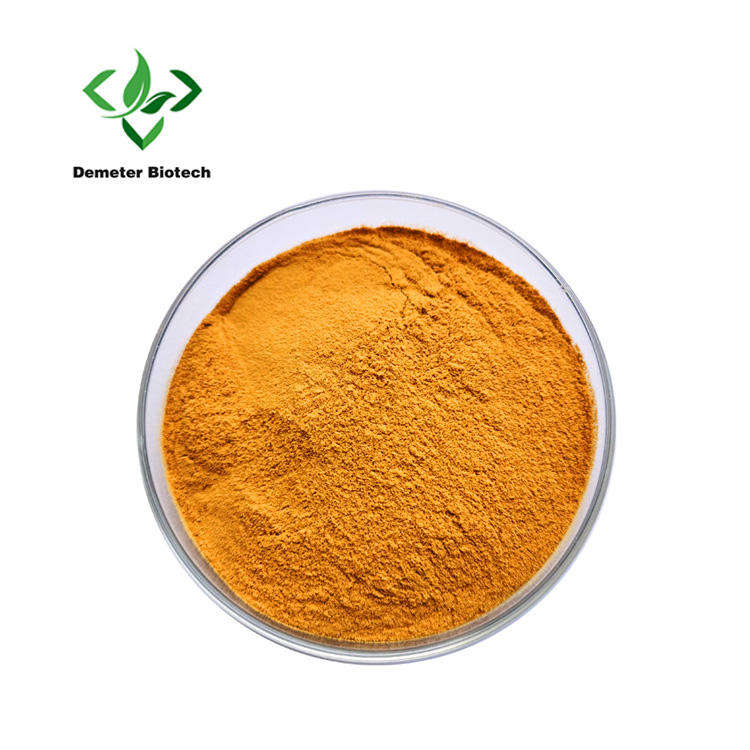
Advanced Liposomal Riboflavin Vitamin B2 Powder 50% High Bioavailability CAS 83-88-5 Light-Protected Supplement Ingredient
LIPOSOMAL VITAMIN B2 POWDER
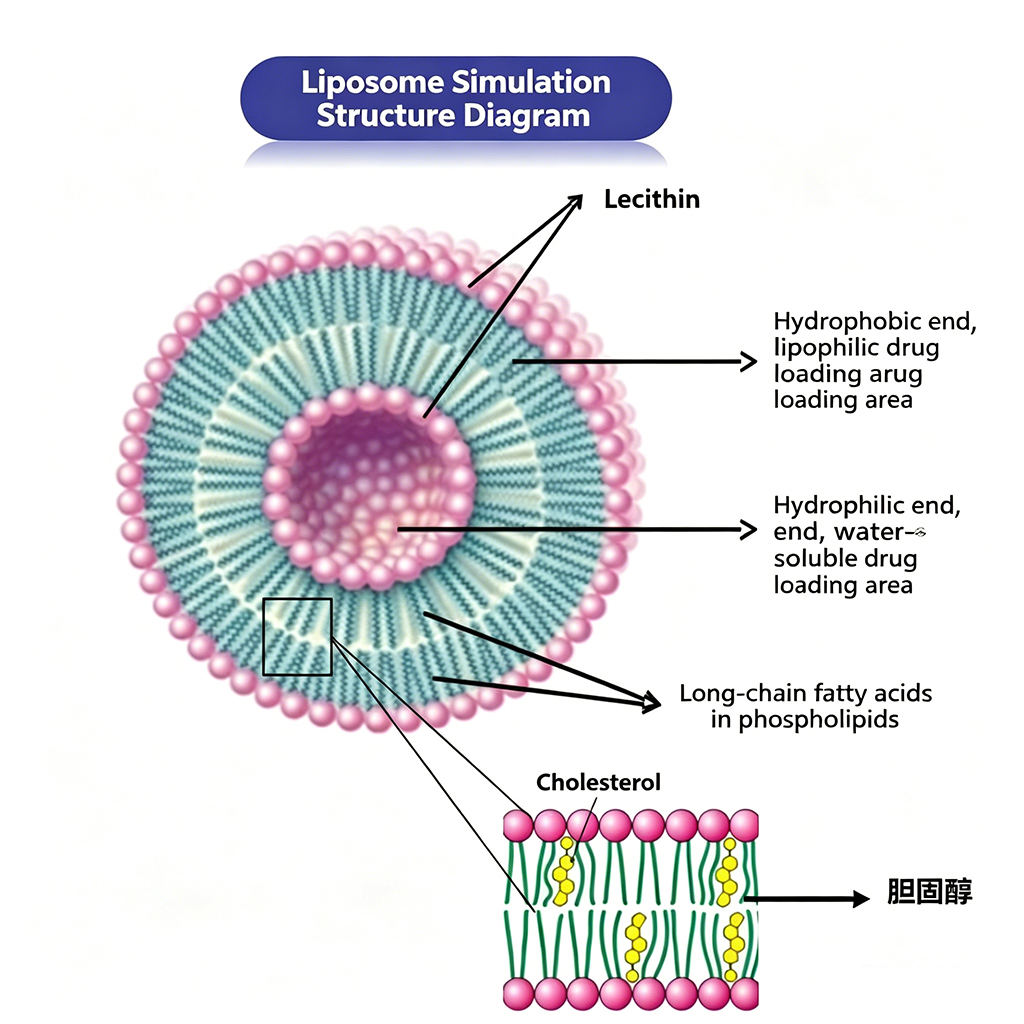
Vitamin B2 — riboflavin — is one of the most light-sensitive vitamins in the B-complex family. Even brief UV exposure can degrade it into inactive byproducts, silently eroding labeled potency on retail shelves. Liposomal encapsulation was designed to solve this. By embedding riboflavin (CAS 83-88-5) within phospholipid bilayer vesicles — the same lipid membrane structure found in every living cell — we create a physical shield that protects the active molecule, controls its release, and ensures the dose on your label is the dose your customer receives. Available at 50% and 70% loading.
The Photodegradation Challenge
Riboflavin is uniquely photosensitive among B vitamins. Under UV-A and visible blue light (350–450 nm), its isoalloxazine ring absorbs photon energy and degrades via two competing pathways: intramolecular photoreduction to lumichrome and photodealkylation to lumiflavin. Neither byproduct retains vitamin activity. This means a riboflavin-containing capsule on a well-lit retail shelf loses measurable potency within weeks — even before the consumer opens the bottle.
Beyond light sensitivity, riboflavin’s high aqueous solubility creates formulation challenges: instant dissolution in wet-granulation processes causes uneven blend distribution, and rapid release in multi-phase beverage powders leads to content-uniformity concerns.
How Liposomal Encapsulation Changes the Equation
(1) Light Protection. The phospholipid bilayer physically scatters and attenuates incident photons before they reach the encapsulated riboflavin payload. While not a replacement for opaque packaging, this intrinsic shielding reduces photodegradation during blending, sieving, and capsule filling stages where ambient light is unavoidable.
(2) Controlled Aqueous Release. Liposomal vesicles hydrate and swell gradually rather than dissolving instantly. This controlled-release behavior supports uniform blend distribution in wet-granulation and beverage-premix manufacturing operations — a practical advantage for multi-phase formulations.
(3) Quality-Verified Consistency. Two QC parameters extend beyond standard HPLC assay: EE% (Encapsulation Efficiency, ≥80% by dialysis/HPLC) confirms genuine encapsulation versus simple physical mixing, and DLS particle sizing confirms uniform nano-scale vesicle dimensions (80–300 nm) across every batch.
1. Light-Protected, Shelf-Stable Riboflavin
Conventional riboflavin powder is inherently photosensitive — forcing opaque packaging and conservative shelf-life claims. Liposomal encapsulation provides intrinsic phospholipid shielding that attenuates light exposure to the encapsulated payload, complementing packaging-level protection for more robust shelf performance.
2. Dual Loading: 50% & 70%
Two standardized grades serve distinct formulation strategies. 50% offers cost-efficient, balanced dosing for multi-active B-complex and multivitamin blends. 70% maximizes active per gram — enabling smaller capsules, fewer units per serving, and targeted high-potency single-active products.
3. Controlled-Release, Water-Compatible
Unlike unencapsulated riboflavin — which dissolves instantly in water — liposomal riboflavin releases gradually as vesicles hydrate. This supports predictable process behavior in wet-granulation and multi-phase beverage powder manufacturing, reducing content-uniformity variability batch to batch.
4. Verified Encapsulation, Not Blending
EE% ≥ 80% measured by dialysis/HPLC confirms genuine liposomal encapsulation — distinguishing this product from simple dry blends of riboflavin and phospholipids. DLS particle sizing further verifies uniform nano-scale vesicle dimensions across every production lot.
1. HPLC Active Assay
Every batch tested to confirm 50% or 70% riboflavin loading. Batch-specific CoA provided with each shipment.
2. DLS Particle Size Analysis
Confirms stable liposome formation (80–300 nm) upon rehydration, verifying uniform nano-scale vesicle dimensions across production lots.
3. Encapsulation Efficiency (EE%)
EE% ≥ 80% by dialysis/HPLC confirms genuine liposomal encapsulation rather than simple physical blending with phospholipids.
4. Heavy Metal & Microbial Screening
Full compliance: Pb ≤ 10 ppm, As/Cd ≤ 1 ppm, Hg ≤ 0.1 ppm; TPC / Yeast & Mold per USP; E. coli and Salmonella negative per 25g.
These statements describe the established nutritional roles of Vitamin B2 (riboflavin) using structure/function language. They have not been evaluated by regulatory authorities. This product is not intended to diagnose, treat, cure, or prevent any disease.
1. Energy Metabolism — The Mitochondrial Connection
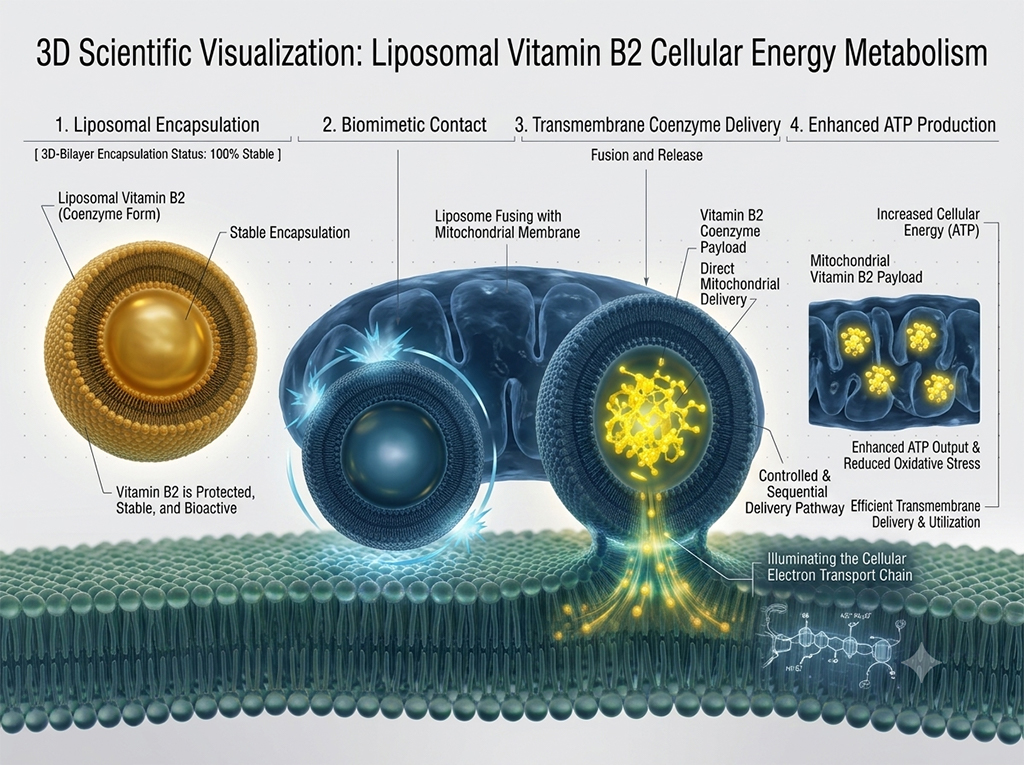
Riboflavin is the dietary precursor to coenzymes FMN and FAD, which sit at the heart of the mitochondrial electron transport chain and fatty acid β-oxidation. A foundational ingredient in energy-support and metabolic-wellness supplement lines targeting active-lifestyle and sports-nutrition consumers.
2. Antioxidant Network — Glutathione Regeneration
FAD is the required cofactor for glutathione reductase, the enzyme responsible for regenerating reduced glutathione (GSH) — a key endogenous antioxidant molecule. Naturally complements Vitamin C, Vitamin E, and selenium in antioxidant supplement formulas.
3. Skin & Mucosal Tissue Nutrition
Contributes to the maintenance of normal skin and mucous membranes. An established ingredient in beauty-from-within, dermatological-nutrition, and skin-wellness supplement formulations alongside biotin, zinc, and Vitamin C.
4. B-Complex Foundation Nutrient
As one of eight essential B vitamins, riboflavin is a universal ingredient across B-complex, multivitamin, prenatal, and general-wellness formulations. Consistent high-volume demand makes it a staple B2B ingredient for contract manufacturers and private-label brands.
1. Morning Energy + B-Complex Capsules
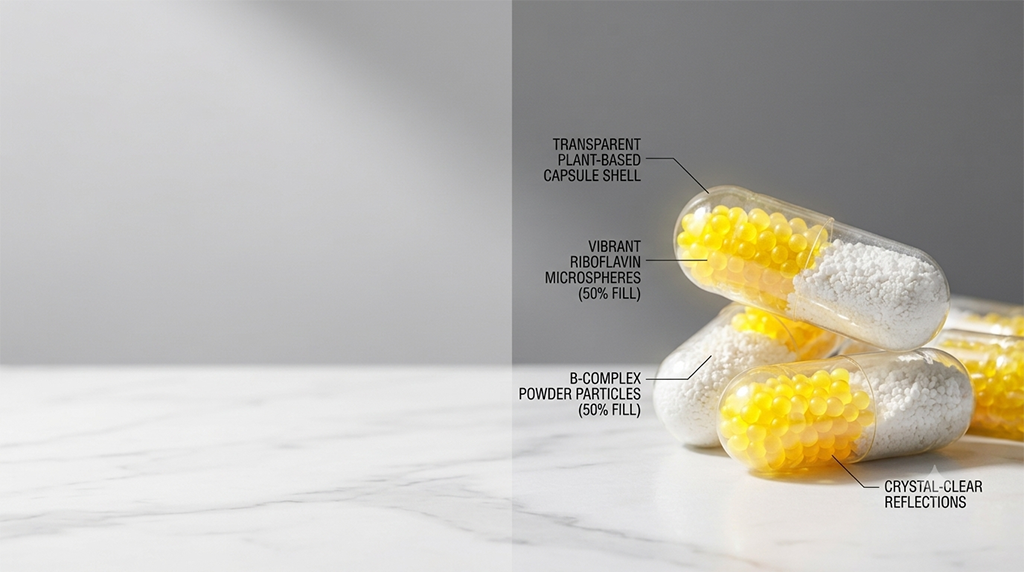
Comprehensive B-complex combining liposomal B2 (50%) with B1, B3, B6, B12, biotin, and folate. Positioned for morning energy metabolism support with consistent year-round demand.
2. High-Potency Riboflavin Singles
100 mg riboflavin capsule using 70% grade — compact capsule size, simple single-active positioning for skin wellness or practitioner-recommended supplement regimens.
3. Beauty-From-Within Powder Sticks
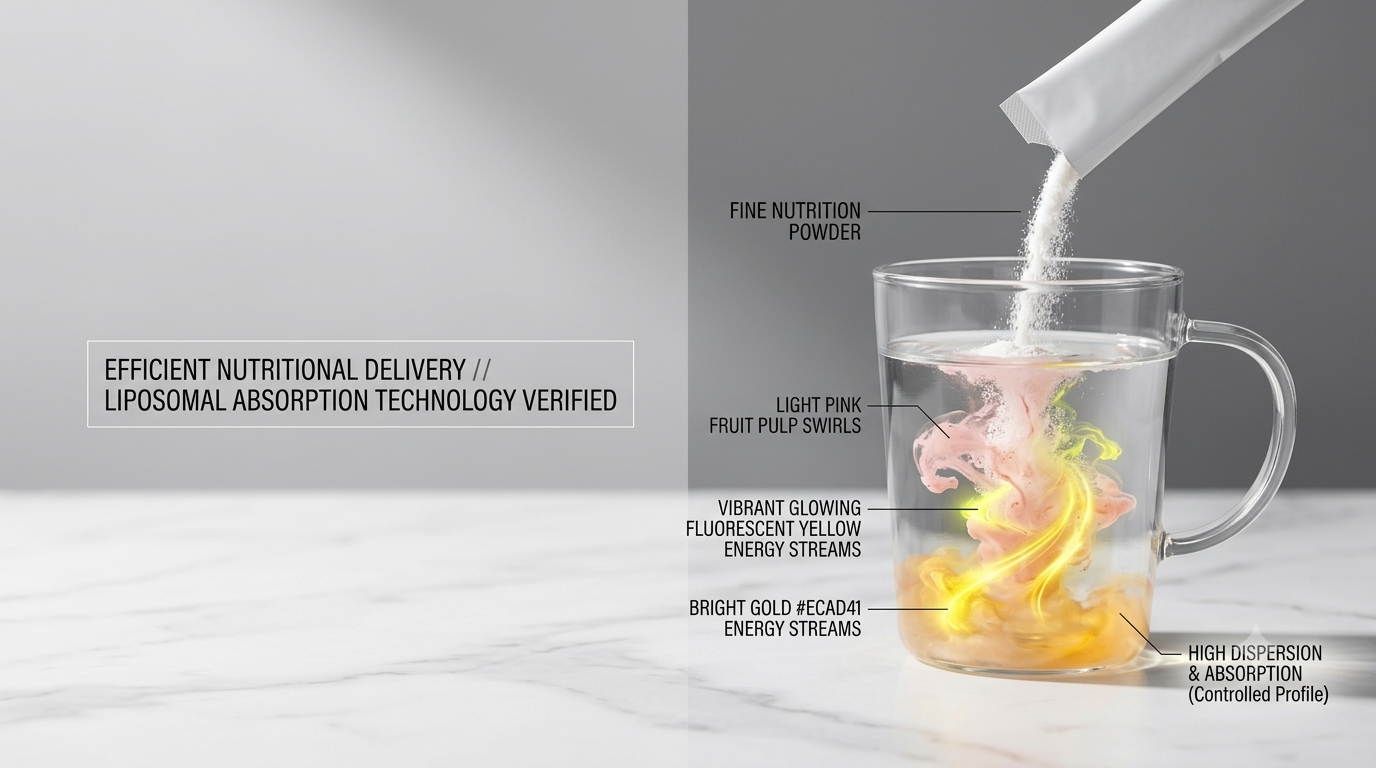
Powdered drink mix combining liposomal B2 with collagen peptides, biotin, Vitamin C, and zinc. Liposomal carrier supports uniform dispersion in multi-phase beverage powder systems.
4. Active-Lifestyle Multivitamin Capsules
Comprehensive multivitamin featuring liposomal B2 (50%) alongside standard vitamins and minerals for active-adult and sports-nutrition consumer segments.

Q1: Is the riboflavin in this product natural or synthetic?
The riboflavin is a nature-identical compound, chemically identical to riboflavin found in food sources. The phospholipids used for liposomal encapsulation are derived from non-GMO plant sources (sunflower or soy lecithin), supporting clean-label brand positioning.
Q2: How does liposomal encapsulation protect riboflavin from light?
The phospholipid bilayer vesicle creates a physical barrier around the encapsulated riboflavin. When light strikes the liposome, the lipid membrane scatters and attenuates incident photons, reducing light energy reaching the payload. This intrinsic protection complements — but does not replace — proper opaque outer packaging.
Q3: What is the difference between EE% and loading percentage?
Loading percentage (50% or 70%) measures total riboflavin content per gram by weight. Encapsulation Efficiency (EE%) measures the proportion genuinely encapsulated within liposome vesicles versus physically mixed with phospholipids. EE% ≥ 80% confirms true liposomal formulation delivering encapsulation benefits.
-

Liposomal L-Theanine Powder High Absorption Gre...
-

High Absorption Liposomal Vitamin B12 Powder Me...
-

High Absorption Liposomal L-Theanine Powder Gre...
-

High Absorption Liposome Calcium Citrate Powder...
-

Food Grade Liposomal Nicotinamide Riboside NR 5...
-

High Absorption Liposomal Magnesium Glycinate P...


