



Products


Natural Plant-Derived Liposomal Apigenin Powder 50% 70% CAS 520-36-5
Liposomal Apigenin
Some of nature’s quietest gifts hide in the simplest places. Apigenin is one of them — a gentle flavonoid that gives chamomile tea its calming soul and lends celery its crisp, earthy character. Our liposomal apigenin powder brings this botanical wisdom into modern formulation: nature-identical apigenin wrapped within plant-derived phospholipids, presented as a clean powder at 50% or 70% active strength. Genuine plant heritage paired with modern liposomal science.
50% & 70% Loading
Plant-Source Phospholipid
Clean Label Ready
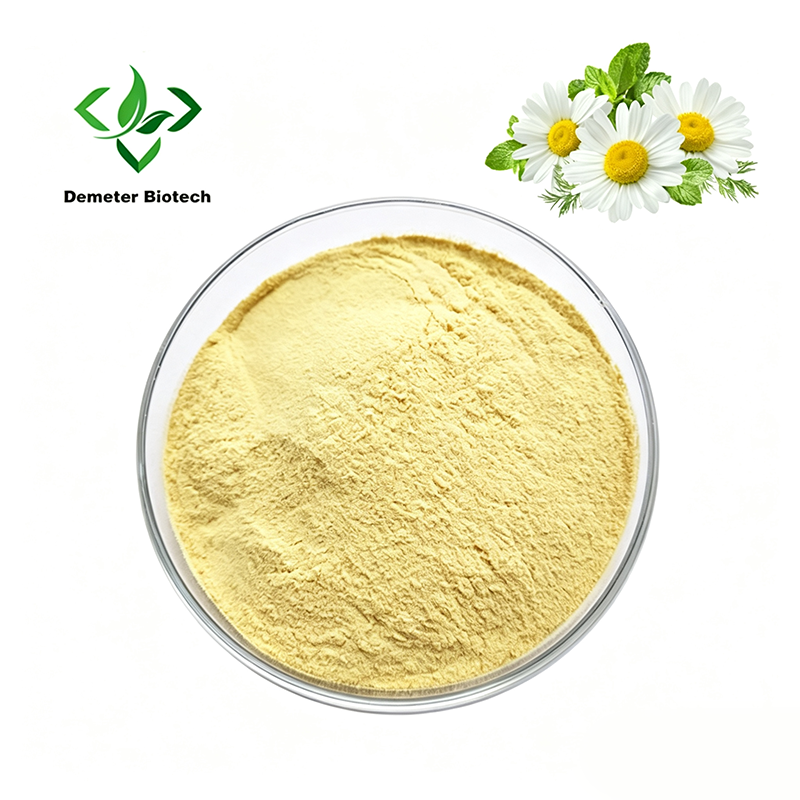
| Product Name | Liposomal Apigenin Powder |
| Active Ingredient | Apigenin (CAS 520-36-5) |
| Botanical Origin | Apium graveolens (Celery), Matricaria chamomilla (Chamomile), Petroselinum crispum (Parsley) |
| Active Loading Capacity | 50% Standard Grade | 70% High-Potency Grade |
| Encapsulation Efficiency (EE%) | ≥ 80% (Typical) |
| Particle Size | 80nm – 300nm (Rehydrated) |
| PDI | ≤ 0.35 |
| Appearance | Light Yellow to Yellow-Green Powder |
| Solubility | Dispersible in water (stable liposomal suspension) |
| Phospholipid Source | Plant-Derived (Non-GMO) |
| Loss on Drying | ≤ 5.0% |
| Heavy Metals (as Pb) | ≤ 10 ppm |
| Storage | Cool, dry environment; sealed container protected from light |
| Shelf Life | Refer to batch-specific COA |
Walk through a chamomile field at harvest, and the air carries a soft, honeyed fragrance. Hidden within those blossoms, and within the crisp green stalks of celery, is apigenin — a flavonoid that belongs to nature’s quiet class of protective plant compounds. Plants produce flavonoids for themselves — as pigments, UV shields, and chemical messengers — yet these same molecules interact with human biochemistry in ways nutritional science is still uncovering.
But apigenin shares a challenge with many beneficial flavonoids: it’s naturally lipophilic, meaning it doesn’t mix well with water. In a tea cup, that’s fine. In a supplement powder that needs to disperse evenly and release predictably, it’s a different story.
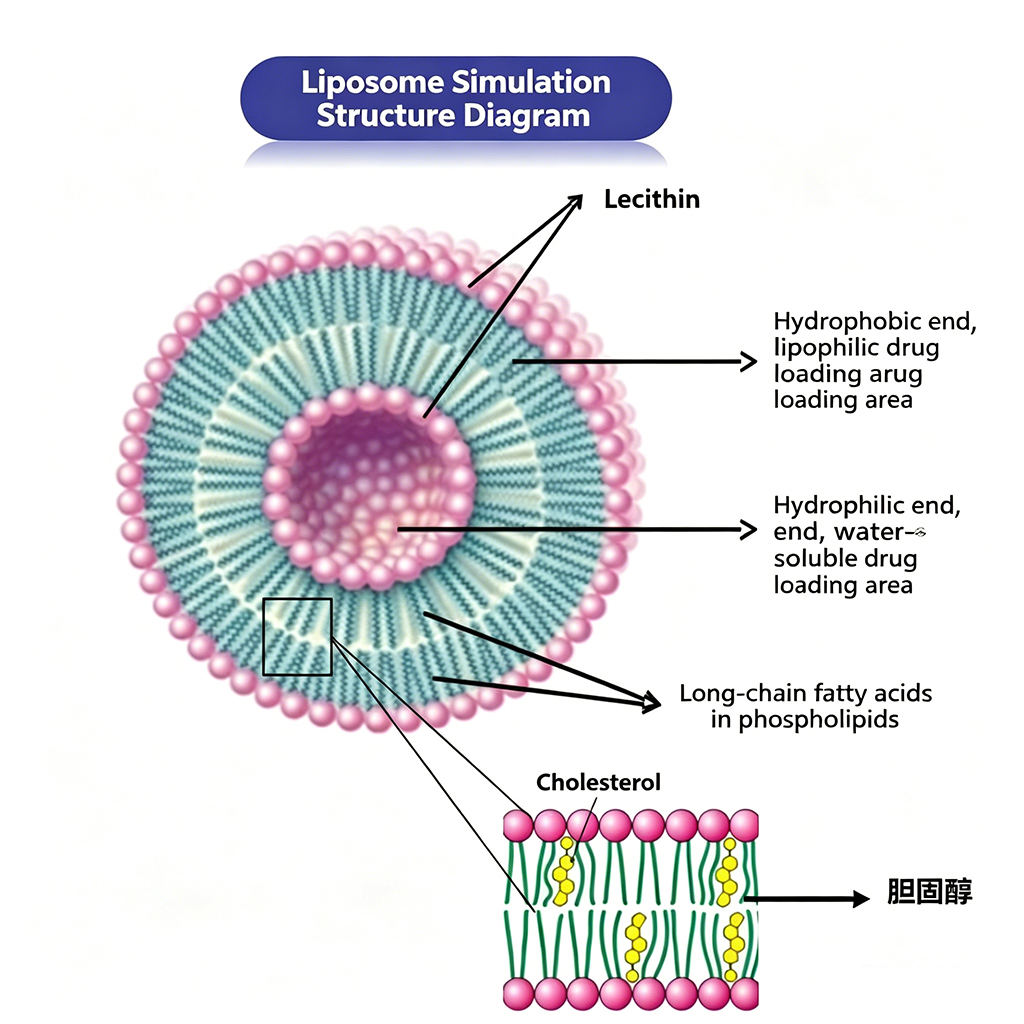
This is where liposomal technology enters — not as a synthetic fix, but as a biomimetic one. The same phospholipid bilayer structure that forms every living cell membrane becomes the carrier for apigenin. The flavonoid dissolves into the lipid layer; the phospholipids wrap around it like a microscopic protective envelope. Spray-dried into powder form, each particle carries apigenin within plant-derived lipids — ready to disperse in water and release gradually. From field to liposome, the journey honors apigenin’s botanical origins at every step.
1. Chamomile’s Signature Flavonoid
Apigenin is one of the bioactive compounds behind chamomile’s centuries-old reputation as a calming botanical. Our liposomal format preserves this natural identity while addressing apigenin’s solubility limitation — the same flavonoid your customers associate with chamomile tea’s gentle comfort, now in a form designed for reliable dispersion and gradual release.
2. Full Botanical Integrity
Unlike liposomal ingredients using animal-derived lecithin, our phospholipid carrier comes from plant lipids — keeping the entire delivery system aligned with vegan values and clean-label positioning. From the flavonoid core to the lipid shell, every component has a plant origin story.
3. Clean-Label Simplicity
Two components, nothing hidden: nature-identical apigenin + plant-derived phospholipids. No synthetic modifiers, no solvent residues, no controversial processing aids. This minimalist composition translates to transparent Supplement Facts panels and authentic brand storytelling.
4. Two Strengths, One Philosophy
The 50% grade serves accessible everyday-wellness formulations; the 70% grade powers premium high-potency botanical products. Both share the same plant-derived liposomal platform — brands can position across multiple price points while maintaining a consistent ingredient story.
| Items | Specification | Methods | Results |
| Assay (Apigenin) | 50% / 70% | HPLC | 50.1% / 70.3% |
| Encapsulation Efficiency | ≥ 80% | Centrifugation-UV | 83.5% |
| Particle Size (DLS) | 80–300nm | DLS | 185nm |
| PDI | ≤ 0.35 | DLS | 0.25 |
| Appearance | Light Yellow to Yellow-Green Powder | Visual | Conformity |
| Loss on Drying | ≤ 5.0% | Gravimetric | 3.8% |
| Heavy Metals (as Pb) | ≤ 10 ppm | ICP-MS | Conformity |
| Arsenic (As) | ≤ 1 ppm | ICP-MS | Conformity |
| Cadmium (Cd) | ≤ 1 ppm | ICP-MS | Conformity |
| Mercury (Hg) | ≤ 0.1 ppm | ICP-MS | Conformity |
| TPC | ≤ 1,000 CFU/g | Plate Count | Conformity |
| Yeast & Mold | ≤ 100 CFU/g | Plate Count | Conformity |
| E. coli | Negative / 25g | USP <62> | Conformity |
| Salmonella | Negative / 25g | USP <62> | Conformity |
| Shelf Life | Refer to batch-specific COA for exact expiry date. | ||
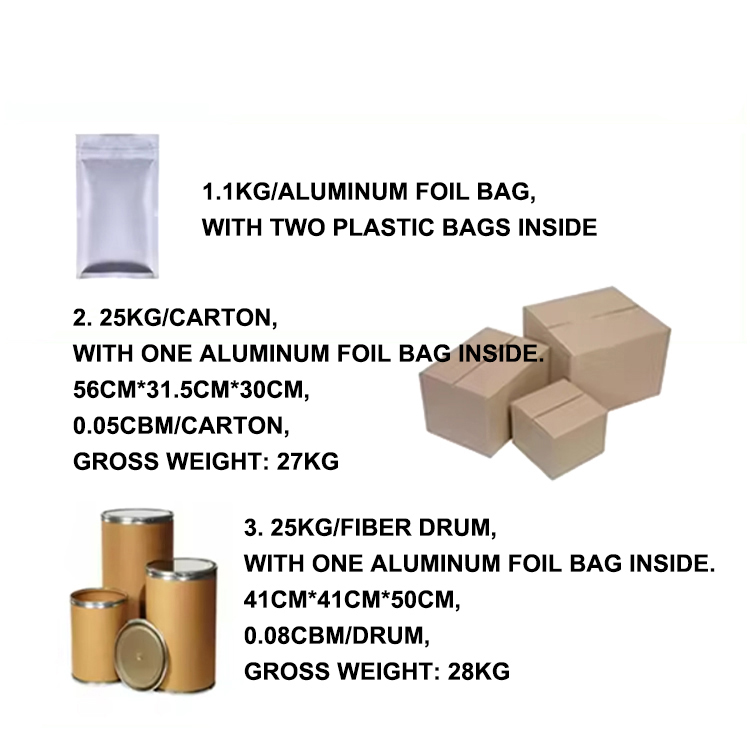
| Package & Storage | 1kg/foil bag or 25kg/drum. Store cool, dry, dark, sealed below 25°C. | ||
Sourcing with Care
Apigenin active (HPLC-verified, ≥98% purity) and non-GMO plant-derived phospholipids sourced from qualified suppliers. Every incoming lot identity-tested before production.
Gentle Dissolution & Emulsification
Apigenin dissolved into phospholipid phase under controlled low-temperature conditions, then precision high-shear emulsified. Phospholipids self-assemble into bilayer vesicles — nature’s own transport mechanism.
Careful Spray-Drying
Emulsion spray-dried under optimized temperature profiles, preserving vesicle integrity while removing water. Each particle becomes a microscopic package of apigenin within plant-derived lipids.
Verification Before Release
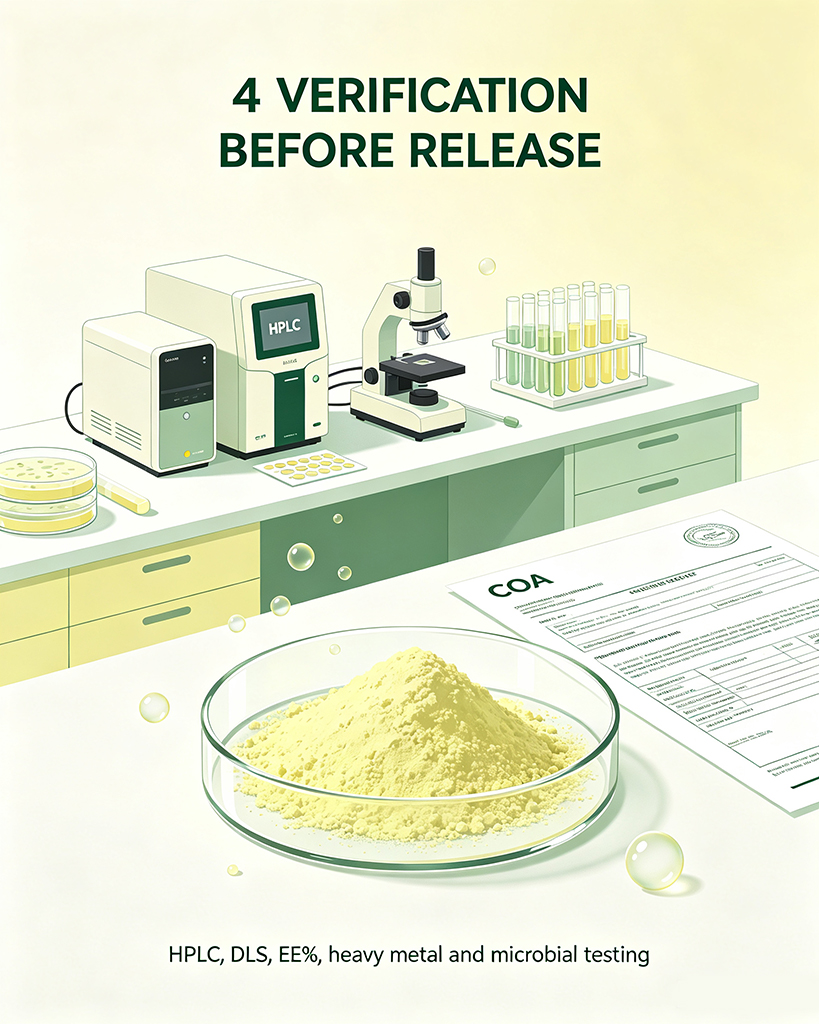
HPLC assay, DLS particle sizing, EE% measurement, heavy metal screening, and microbial testing. Batch-specific COA issued only when all results meet specification.
*These statements have not been evaluated by the FDA. This product is not intended to diagnose, treat, cure, or prevent any disease.
1. A Botanical Antioxidant
Apigenin belongs to the flavonoid family — plant compounds widely recognized for their antioxidant properties. In dietary supplements, it contributes to the total antioxidant capacity of botanical formulations.
2. Chamomile’s Calming Heritage
Apigenin is one of the key flavonoids in chamomile, a botanical with a long tradition of use for relaxation. A plant-derived ingredient that connects evening wellness formulas to chamomile’s trusted botanical heritage.
3. Cellular Wellness Support
Studied for interactions with cellular signaling pathways involved in oxidative balance and healthy cellular function. Supports wellness formulations around cellular health and metabolic equilibrium.
4. The Flavonoid Family Effect
Complements quercetin, luteolin, and kaempferol in broad-spectrum botanical formulas — mirroring how these compounds appear together in a plant-rich diet.

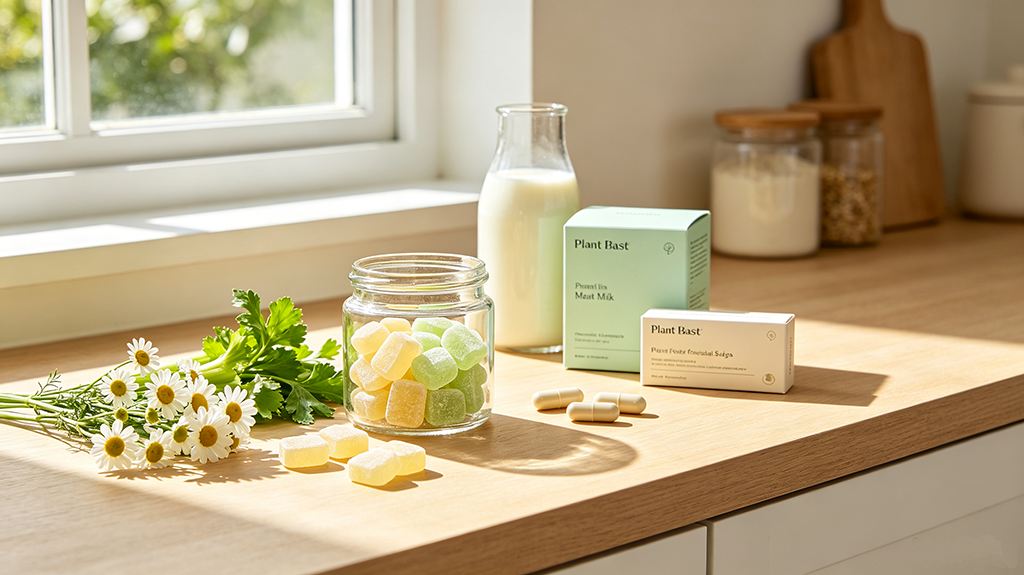
1. Botanical Calm Capsules
Standalone apigenin (100–200mg) positioned around chamomile’s calming heritage. The celery-and-chamomile origin story connects supplements to ingredients consumers trust from their tea cupboard.
2. Multi-Flavonoid Antioxidant Blends
Pair with quercetin, luteolin, and resveratrol for a broad-spectrum plant flavonoid complex — each bringing a different botanical origin story to the formulation.
3. Evening Relaxation Formulas
Combine with magnesium, L-Theanine, and calming herbals. Apigenin’s chamomile connection gives the formula a trusted botanical anchor consumers intuitively understand.
4. Vegan Botanical Gummies
The plant-derived phospholipid story makes apigenin a natural fit for vegan gummy formulations — where botanical origin drives premium positioning and brand differentiation.

Q1: Is the apigenin in this product natural or synthetic?
The apigenin used is nature-identical — chemically identical to the apigenin naturally found in celery, chamomile, and parsley. The phospholipid carrier is sourced from plant-derived lipids. Together, they form a product compatible with vegan and clean-label botanical formulations.
Q2: Why use a liposomal format for a plant flavonoid?
Apigenin is naturally lipophilic — it doesn’t dissolve well in water, limiting its dispersibility and absorption. Liposomal encapsulation wraps apigenin within a phospholipid bilayer, improving water dispersibility and supporting gradual, sustained release. It’s a biomimetic approach — using nature’s own transport mechanism to deliver nature’s own flavonoid.
Q3: Which loading should I choose — 50% or 70%?
Both share the same liposomal platform and plant-derived phospholipid carrier. The 50% grade suits mainstream everyday-wellness positioning. The 70% grade targets premium high-potency botanical products. Using both grades enables tiered product positioning while maintaining a consistent ingredient story.
-

High Absorption Liposomal Resveratrol Powder 50...
-

High Absorption Liposomal Spermidine Powder Pur...
-

Food Grade Liposomal PQQ Pyrroloquinoline Quino...
-

High Absorption Liposomal Resveratrol Powder 50...
-

High Absorption Liposomal Urolithin a Powder Pu...
-

High Absorption Liposomal NMN Powder Beta-Nicot...


