



Products


Advanced Liposomal Vitamin E Powder 25% Enhanced Bioavailability Fat-Soluble Antioxidant Ingredient CAS 7695-91-2
Liposomal Vitamin E Powder (25%)
Vitamin E is one of the body’s most important fat-soluble nutrients — yet its very fat-solubility creates a delivery challenge. Liposomal Vitamin E Powder takes a different approach: by embedding dl-α-Tocopheryl Acetate (CAS 7695-91-2) inside phospholipid bilayer vesicles — the same structural principle that forms every living cell membrane — this 25%-loading powder delivers a fat-soluble antioxidant in a format that disperses into a stable liposomal suspension upon contact with water, ready for capsule, tablet, and functional drink formats.
25% Loading
Liposomal Delivery
Fat-Soluble Antioxidant
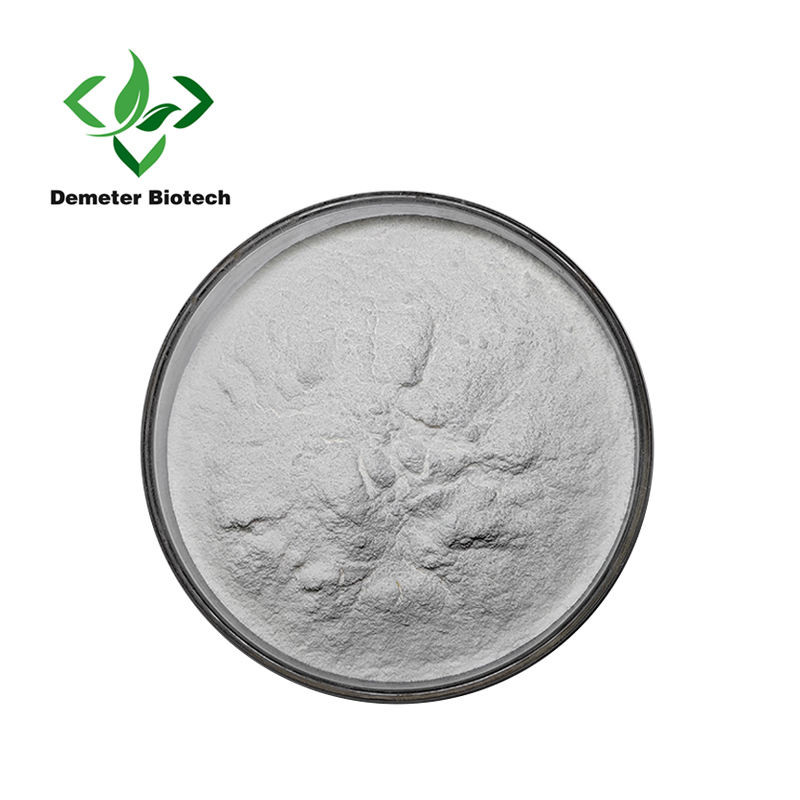
| Item | Data |
| Product Name | Liposomal Vitamin E Powder |
| Active Ingredient | dl-α-Tocopheryl Acetate (CAS 7695-91-2) |
| Active Loading Capacity | 25% |
| Encapsulation Efficiency (EE%) | ≥ 85% (Typical) |
| Particle Size | 80nm – 250nm (Rehydrated) |
| PDI | ≤ 0.35 |
| Appearance | White to Slightly Yellowish Powder |
| Solubility | Dispersible in water (stable liposomal suspension) |
| Loss on Drying | ≤ 5.0% |
| Heavy Metals (as Pb) | ≤ 10 ppm |
| Storage | Cool, dry, sealed container; protect from light |
Why Liposomal Delivery Matters for Fat-Soluble Vitamins
The Absorption Challenge
Fat-soluble vitamins (A, D, E, K) do not dissolve readily in the digestive tract. They require bile salts and dietary fat to form mixed micelles before crossing the intestinal wall. In fasted-state or low-fat meal scenarios, absorption efficiency can drop significantly.
How Liposomes Change the Equation
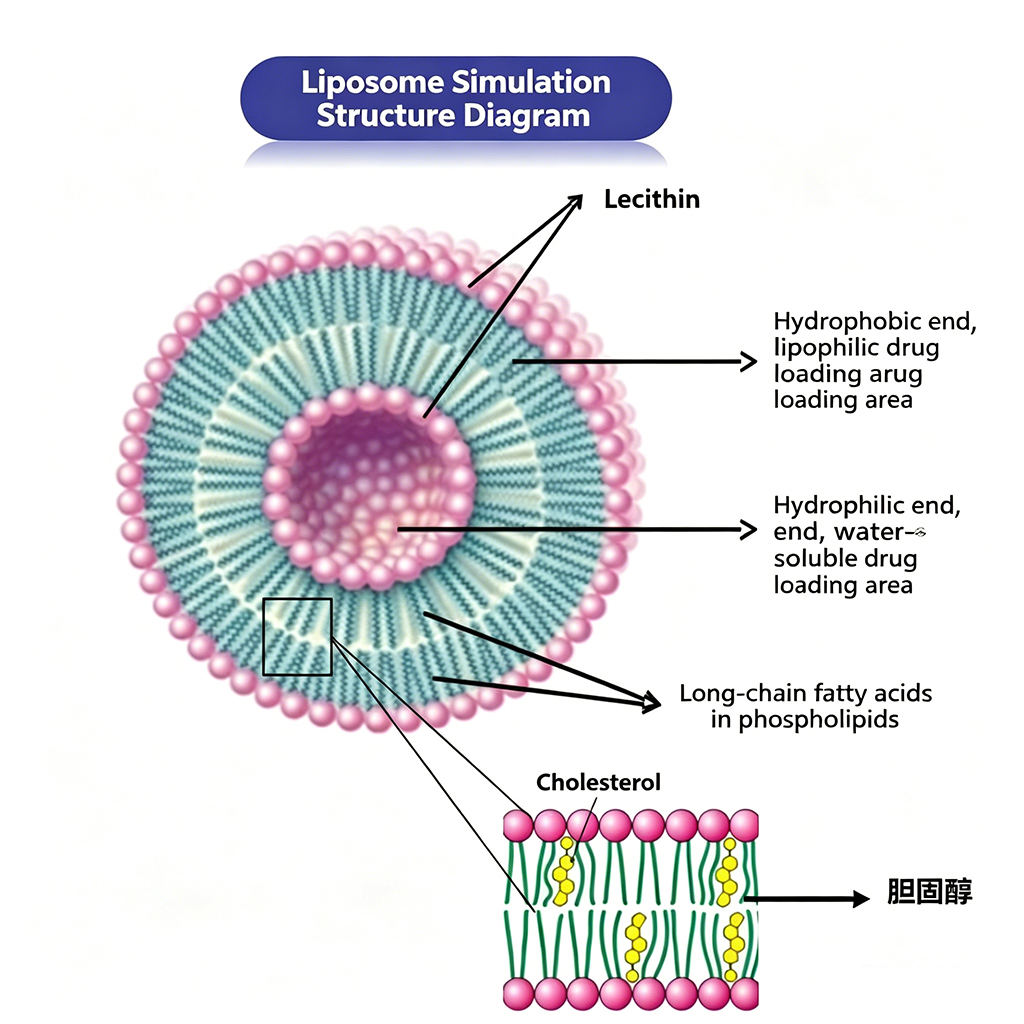
A liposome is a microscopic sphere of phospholipid bilayer — identical in structure to the membrane of every living cell. When Vitamin E is encapsulated inside:
1. The phospholipid bilayer acts as a pre-formed delivery vehicle — no reliance on dietary fat or bile salts.
2. Nano-scale vesicles (80–250nm) pass through aqueous environments without clumping.
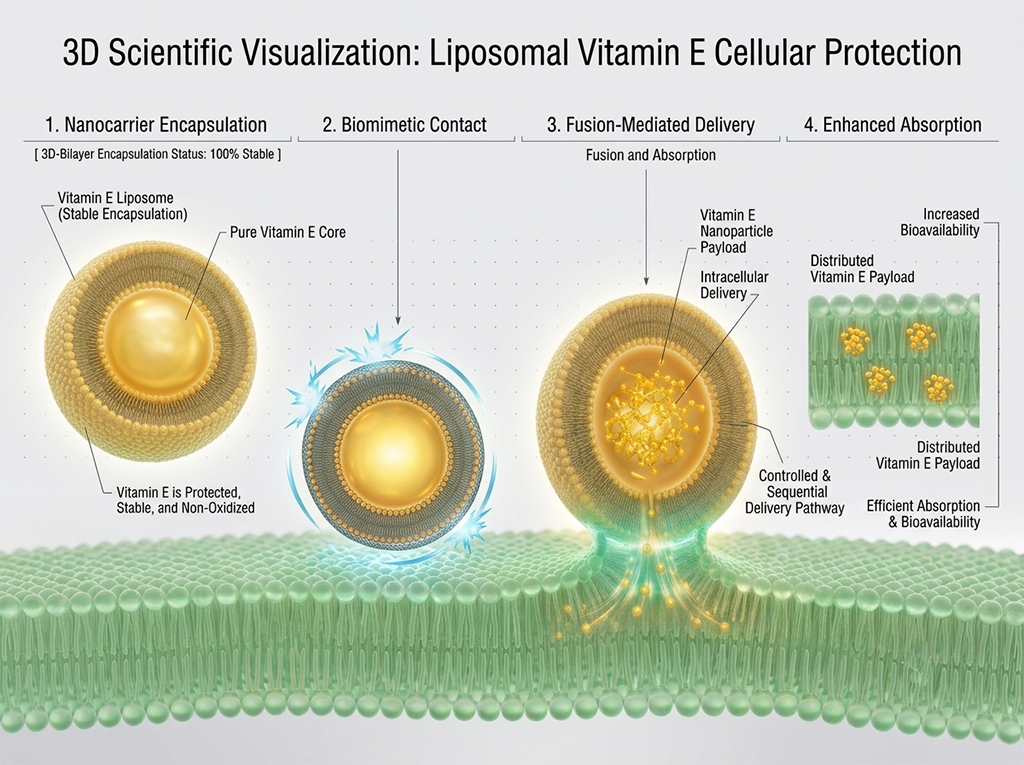
3. Phospholipids fuse naturally with intestinal cell membranes for direct payload transfer.
Why EE% and DLS Matter
EE% ≥ 85% (dialysis/HPLC) confirms genuine encapsulation inside the liposome — not simple phospholipid blending. DLS Particle Size (80–250nm, PDI ≤ 0.35) confirms uniform nano-scale vesicles for consistent per-dose behavior.
1. Liposomal Encapsulation — Not Simple Blending
EE% ≥ 85% verified by dialysis/HPLC. The Vitamin E payload is inside the phospholipid vesicle, protected from oxidation and pre-dissolved in a lipid carrier — not merely mixed with phospholipid powder.
2. Nano-Scale Vesicles, DLS-Verified
Consistent 80–250nm particle size upon rehydration with PDI ≤ 0.35. Narrow size distribution ensures predictable per-capsule and per-serving behavior across full production runs.
3. Oxidative Stability Built In
Phospholipid encapsulation provides a physical barrier against ambient oxygen. Relevant for Vitamin E, which — as an antioxidant — is inherently susceptible to oxidative degradation during shelf storage.
4. Flexible Formulation, Single Specification
One 25%-loading powder covers capsules, tablets, powder sachets, and dry beverage premixes — simplifying multi-format brand portfolios without separate raw-material SKUs.
1. HPLC Active Assay
Every batch tested to confirm 25% dl-α-Tocopheryl Acetate loading. Batch-specific CoA provided with each shipment.
2. DLS Particle Size Analysis
Verifies stable liposome formation (80–250nm) upon rehydration, confirming consistent nano-scale vesicle dimensions across production runs.
3. Encapsulation Efficiency (EE%)
EE% ≥ 85% confirms genuine encapsulation within the liposome structure — the critical differentiator from simple powder blends.
4. Heavy Metal & Microbial Screening
Full compliance: Pb ≤10ppm, As/Cd ≤1ppm, Hg ≤0.1ppm; TPC, Yeast & Mold per USP standards.
Disclaimer: The following describes the generally recognized structure/function roles of Vitamin E in nutritional science. These are not claims of disease treatment or prevention.
1. Fat-Soluble Antioxidant Support
Vitamin E is the body’s primary lipid-phase antioxidant, functioning as a chain-breaking scavenger of lipid peroxyl radicals within cell membranes. Liposomal delivery provides a natural carrier match for this inherently lipophilic compound.
2. Cellular Membrane Integrity
As an integral component of the body’s antioxidant network, Vitamin E helps maintain the structural and functional integrity of phospholipid-rich membranes — the very environment liposomal carriers are designed to navigate.
3. Multi-Nutrient Synergy
Frequently formulated alongside Vitamin C (aqueous antioxidant), CoQ10 (mitochondrial antioxidant), and Selenium (enzymatic cofactor). 25% loading provides flexible dosing headroom for combination formulas.
4. Beauty-From-Within Formulations
A foundational ingredient in the global ingestible beauty category. Liposomal delivery addresses the absorption efficiency that limits conventional fat-soluble vitamin powders in this demanding application space.
1. Daily Antioxidant Capsule
200–400 IU equivalent; standalone or blended with CoQ10, Vitamin C, and Selenium for a comprehensive antioxidant complex.
2. Beauty-From-Within Blend
Combine with Liposomal Vitamin C and Collagen Peptides for multi-angle skin-nutrition. Liposomal VE provides the lipid-phase antioxidant component.
3. Vegetarian Softgel Alternative
For brands moving away from gelatin softgels, this powder enables Vitamin E delivery in vegetarian capsules without the absorption trade-offs of standard dry VE powders.
4. Functional Beverage Stick Pack
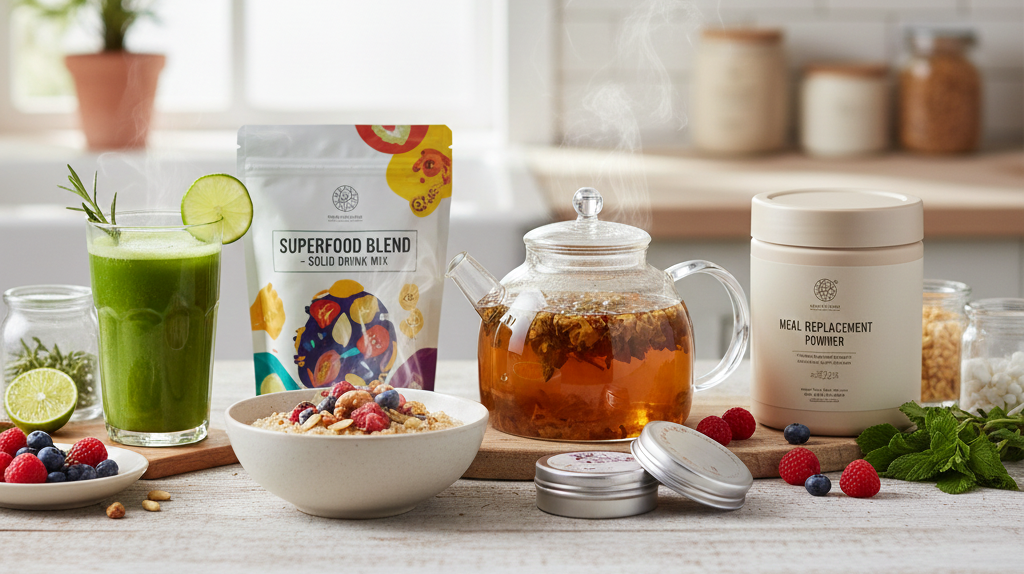
Dry premix format; disperses into a stable liposomal suspension upon mixing with water. Compatible with flavored and unflavored drink-mix systems.
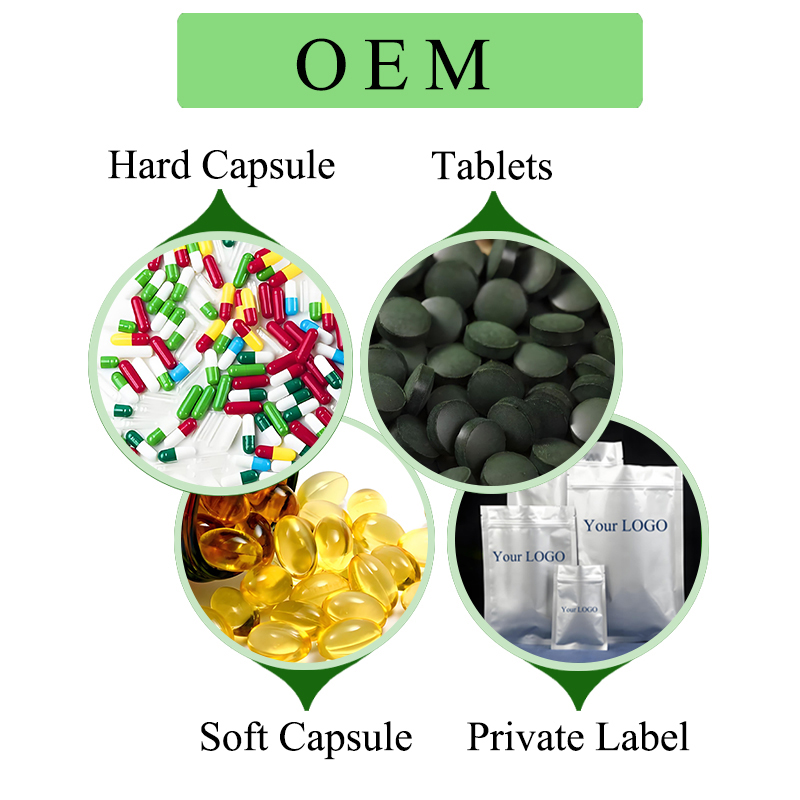
OEM
Custom capsule, tablet, powder sachet packing
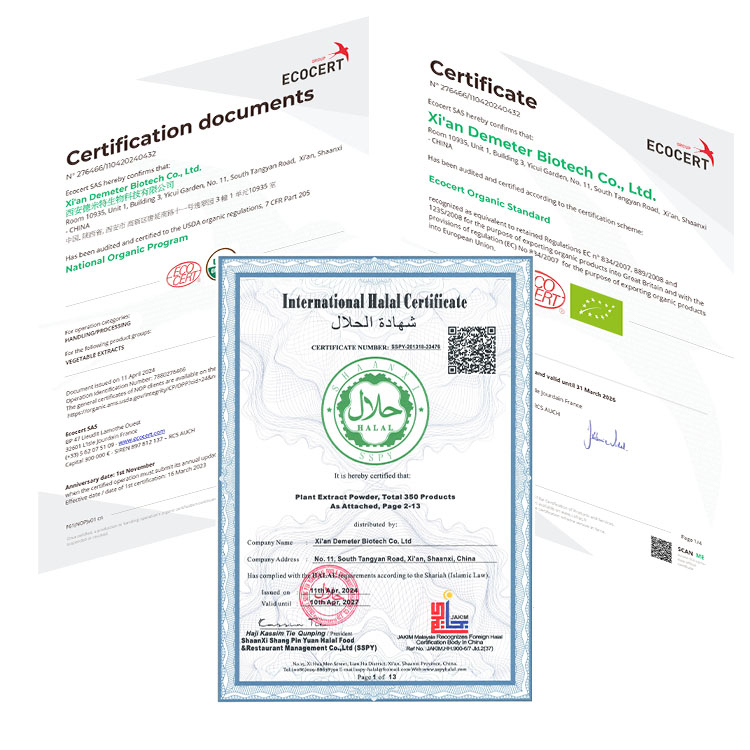
CERTIFICATES
GMP, ISO, batch-specific CoA documentation

TRANSPORTATION
Global logistics, air/sea freight options
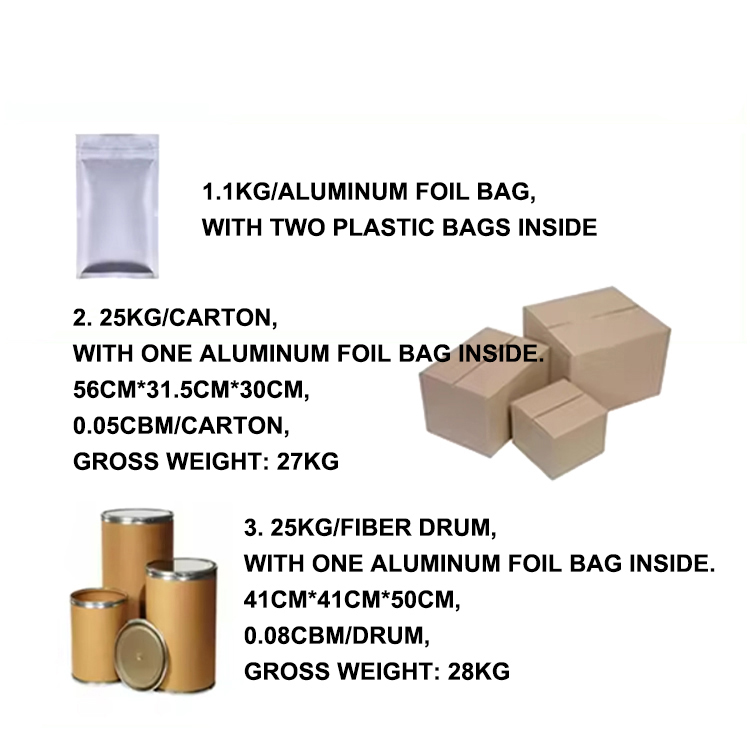
PACKAGING
1kg/foil bag, 25kg/drum, nitrogen-flushed
Q1: Is this Vitamin E natural or synthetic?
This product uses synthetic dl-α-Tocopheryl Acetate (CAS 7695-91-2). It is chemically nature-identical to the Vitamin E form recognized by the human body, produced under controlled conditions for consistent potency and purity.
Q2: How does liposomal delivery improve Vitamin E absorption?
Vitamin E is fat-soluble and requires dietary lipids for absorption. Liposomal encapsulation pre-dissolves the active within a phospholipid carrier that fuses directly with intestinal cell membranes — bypassing dependence on concurrent dietary fat intake.
Q3: How is genuine encapsulation verified?
EE% is measured on every batch via dialysis/HPLC (≥85% confirms encapsulation inside liposomes). DLS particle size analysis (80–250nm, PDI ≤0.35) verifies uniform nano-scale vesicles upon rehydration.
-

High Absorption Liposomal Vitamin B2 Powder Rib...
-

Food Grade Liposomal PQQ Pyrroloquinoline Quino...
-

High Purity Liposomal Coenzyme Q10 Powder CoQ10...
-

Liposomal L-Theanine Powder High Absorption Gre...
-

High Absorption Liposomal Valerian Extract Powd...
-

High Absorption Liposomal Calcium Gluconate Pow...


