


Products


Food Grade Citric Acid Powder E330 Acidity Regulator Monohydrate & Anhydrous CAS 5949-29-1 / 77-92-9 Bulk Supply
Food-Grade Organic Acids
CITRIC ACID
MONOHYDRATE & ANHYDROUS (E330)
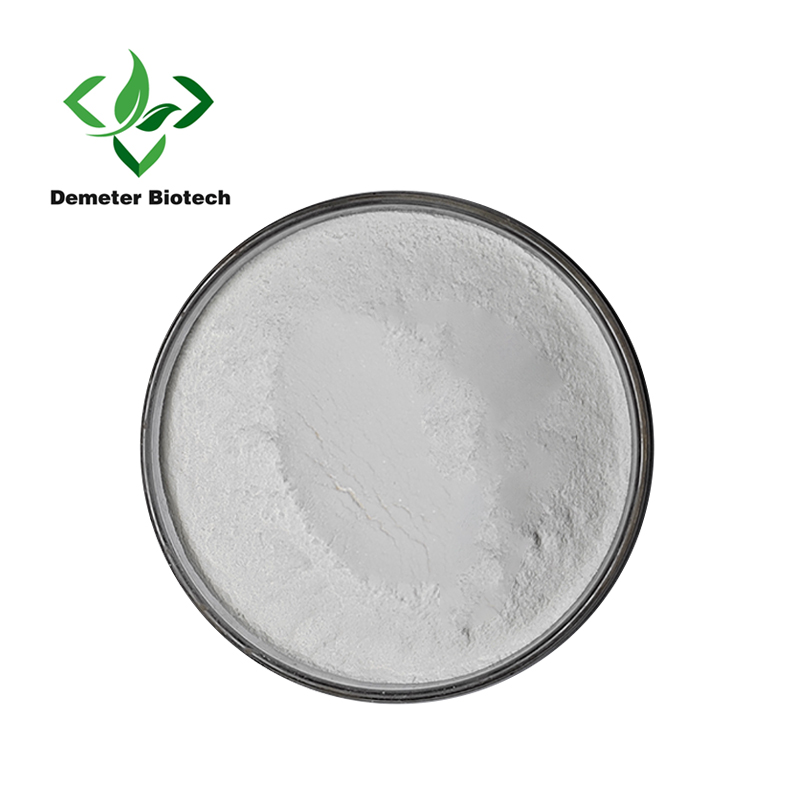
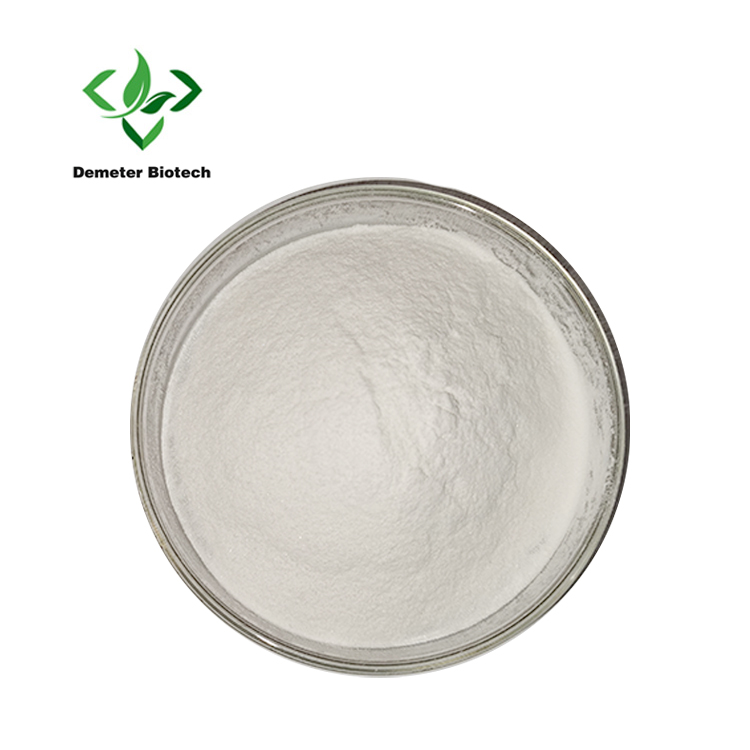
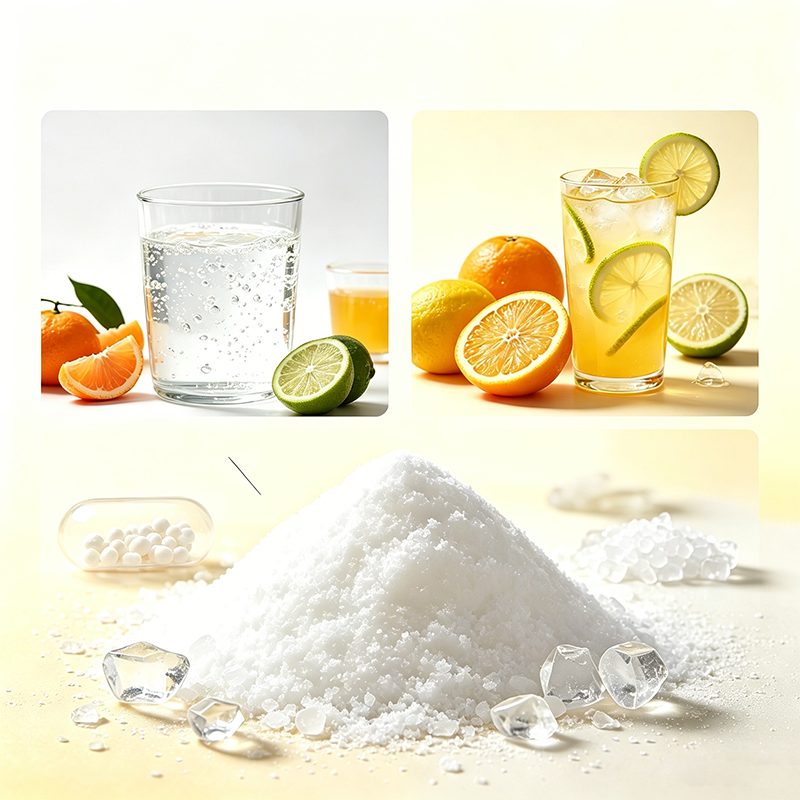
Citric Acid is the most widely consumed organic acid in the global food and beverage industry, available in two distinct crystalline forms: Monohydrate and Anhydrous. Citric Acid Monohydrate (CAS 5949-29-1) contains one water molecule per citric acid unit, presenting as colorless translucent crystals with moisture content of 7.5%–9.0%. Citric Acid Anhydrous (CAS 77-92-9) is produced by further dehydrating the monohydrate form, resulting in a white crystalline powder with moisture content ≤ 0.5%. The key operational difference: the anhydrous form absorbs heat when dissolved and is preferred for moisture-sensitive formulations such as effervescent tablets and powdered drink mixes, while the monohydrate form is the economical choice for bulk liquid applications.
Bio-Fermented
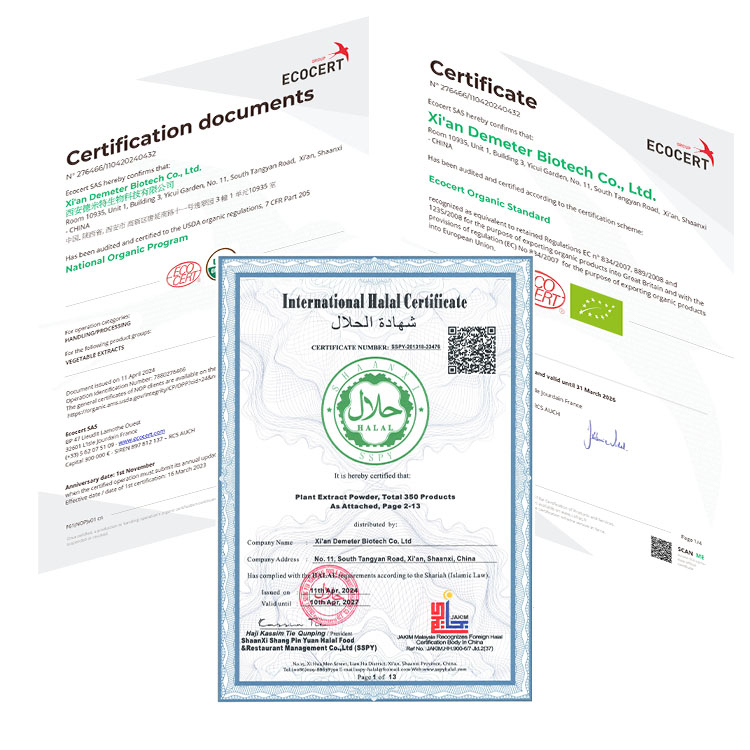
HALAL & KOSHER
TECHNICAL SPECIFICATIONS
EVIDENCE & CERTIFICATES
1. Bio-Fermentation Traceability (Aspergillus niger)
Unlike petroleum-derived acids, our citric acid is produced through natural microbial fermentation, supporting HALAL and KOSHER certification for global market access.
2. Multi-Pharmacopeia Compliance Report
Both grades simultaneously meet FCC, USP, BP, and EU E330 standards with 99.5%–100.5% assay and strict oxalate control (≤ 100 ppm).
3. Heavy Metal & Purity Verification
Full COA and MSDS provided per batch with verified limits of Pb ≤ 5 ppm, As ≤ 1 ppm, and Sulphated Ash ≤ 0.05% for food-grade safety assurance.
PRODUCT HIGHLIGHTS
Dual-Form Formula Precision
Monohydrate is the cost-effective workhorse for beverages and liquids. Anhydrous is preferred for effervescent tablets and dry blends where additional water compromises stability.
Microbial Fermentation Origin
Produced through natural fermentation using Aspergillus niger, supporting clean-label positioning and enabling HALAL and KOSHER certification globally.
Metal Ion Chelation
Binds trace metal ions such as iron and copper, preventing oxidative discoloration and off-flavor development in processed foods, particularly canned fruits and vegetables.
High Purity & Low Impurity Profile
99.5%–100.5% assay with strict control over oxalates (≤ 100 ppm), sulphated ash (≤ 0.05%), and heavy metals (Pb ≤ 5 ppm), meeting FCC, USP, BP, and E330 simultaneously.
FUNCTIONAL ROLES
1. Acidity Regulation
Provides a consistent, clean sour taste and controls pH in food and beverage systems.
2. Flavor Enhancement
Brightens fruit flavors and balances sweetness in confectionery and soft drinks.
3. Chelation
Sequesters trace metal ions to prevent oxidative discoloration and rancidity in processed foods.
4. Buffering
Works with its sodium and potassium salts to maintain stable pH in processed formulations.
INDUSTRIAL APPLICATIONS

1. Carbonated Beverages & Juices
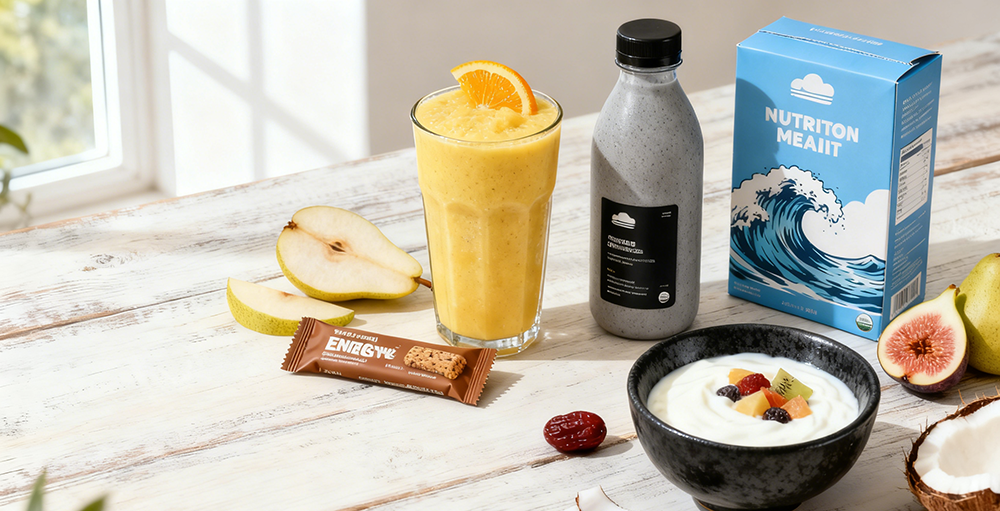
Primary acidulant providing refreshing tartness in sodas, fruit drinks, and sports beverages.
2. Confectionery & Sweets
Used in hard candies, gummies, and chewing gum to deliver a sharp, fruity sour note.
3. Jams, Jellies & Preserves
Adjusts pH for proper gelling and acts as a preservative synergist in canned fruits and vegetables.
4. Powdered Mixes & Effervescents
Anhydrous grade preferred for its low moisture and endothermic dissolution providing the “fizz” sensation.
5. Meat & Poultry Processing
Applied as a surface treatment to reduce microbial load and maintain product appearance.
6. Household & Personal Care
Used in descaling agents, bath bombs, and cosmetic pH adjusters for its safe, versatile acidity.
Professional Supply Chain & Services

TECHNICAL FAQ
Q1: Can Monohydrate and Anhydrous be used interchangeably?
A: They can be substituted on an anhydrous basis by adjusting for the ~8.5% weight difference (1.085 kg Monohydrate = 1.0 kg Anhydrous equivalent). However, for moisture-sensitive applications like effervescent tablets, Anhydrous is preferred because the monohydrate’s crystal water may initiate premature reactions or cause clumping.
Q2: Why is Anhydrous Citric Acid more expensive than Monohydrate?
A: The Anhydrous grade requires an additional controlled dehydration step and more stringent moisture protection during packaging and transport. The extra processing and lower yield contribute to the price differential.
Q3: What storage conditions prevent caking of Citric Acid?
A: Both forms are hygroscopic. Store in original sealed packaging in low-humidity below 25°C. The Anhydrous form is particularly sensitive to ambient moisture and may clump if exposed to air for extended periods.