


Products


Food Antioxidant Propyl Gallate 99% Powder E310 Gallic Acid Propyl Ester
Food-Grade Antioxidants
PROPYL GALLATE
FOOD GRADE (E310)
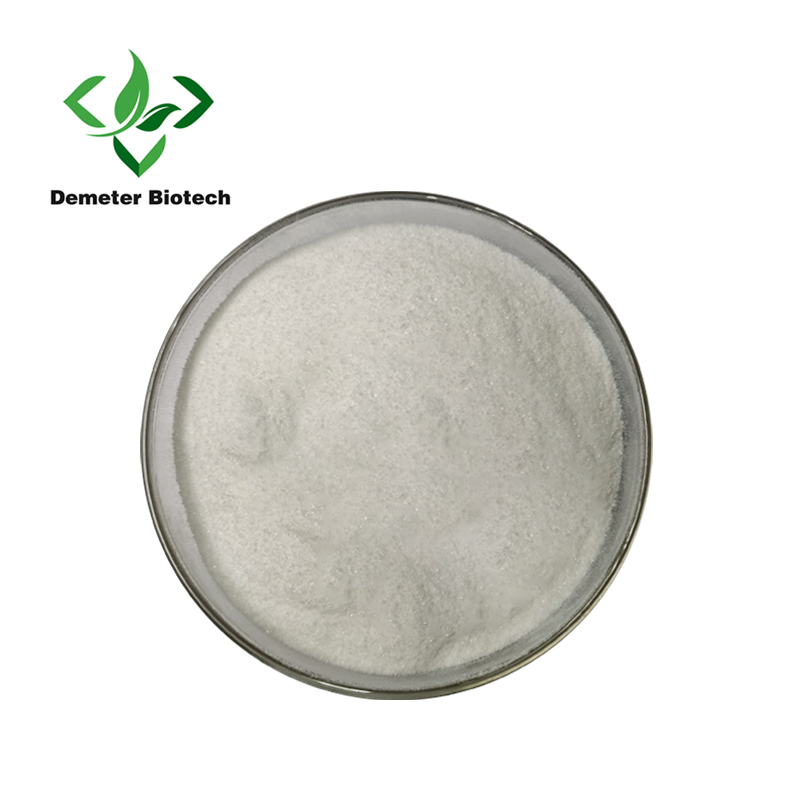
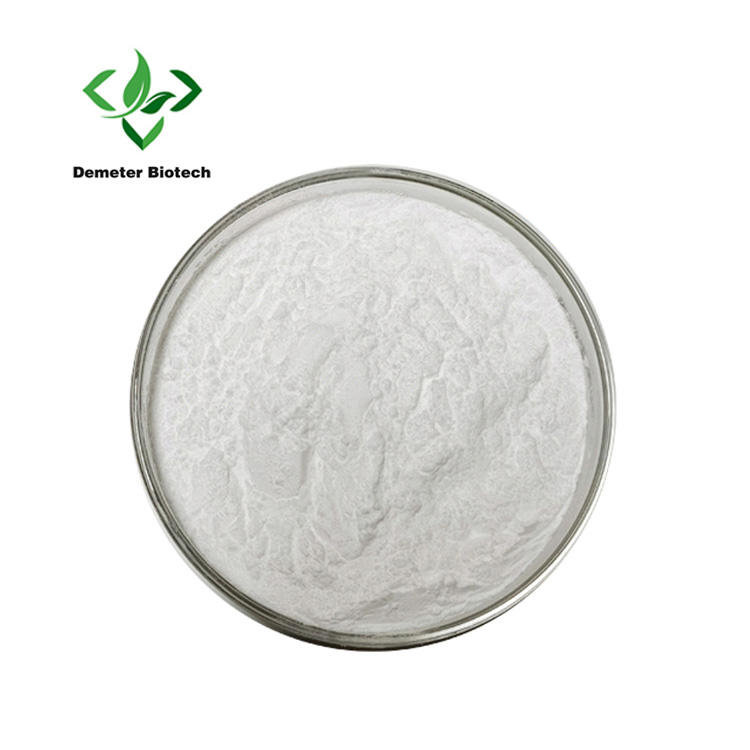
Propyl Gallate (E310) is a globally recognized food-grade antioxidant produced through the esterification of gallic acid with n-propanol. Appearing as a white to off-white crystalline powder, it is one of the most effective synthetic phenolic antioxidants available for industrial food manufacturing. Its primary function is to protect edible oils, fats, and lipid-containing products from oxidative rancidity, thereby extending product shelf life and maintaining sensory quality. With broad regulatory acceptance under the E310 designation and high thermal stability, Propyl Gallate is an essential ingredient for processed foods, frying oils, and cosmetic formulations requiring robust oxidative protection.
HALAL & KOSHER
Synergistic with BHA/BHT
TECHNICAL SPECIFICATIONS
EVIDENCE & CERTIFICATES
1. E310 Regulatory Compliance Documentation
Designated as E310 under the EU food additive framework and recognized by the FDA as GRAS, with full HALAL, KOSHER, and ISO certification for global market access.
2. HPLC Purity & Heavy Metal Verification
Every batch is tested for 98.0%-102.0% assay purity with rigorous heavy metal screening (Pb ≤ 10ppm, As ≤ 3ppm) to meet global food safety standards.
3. Full Batch Documentation
Complete COA, MSDS, and technical data sheets provided for every industrial shipment to support quality audits and regulatory filings.
PRODUCT HIGHLIGHTS
High-Potency Antioxidant Activity
As a primary phenolic antioxidant, Propyl Gallate scavenges free radicals in lipid systems, interrupting the chain reaction of lipid peroxidation to provide reliable protection against rancidity.
Synergistic Performance with BHA/BHT
When combined with BHA or BHT, Propyl Gallate exhibits a pronounced synergistic effect, allowing superior oxidative stability at lower total antioxidant concentrations.
Broad Global Regulatory Acceptance
Designated as E310 in the EU framework and recognized as GRAS by the FDA, meeting the compliance requirements for global food and cosmetic distribution.
Strong Thermal Stability (146-150°C)
With a melting point of 146°C–150°C, Propyl Gallate remains stable during moderate heating, making it suitable for baked goods and frying oil applications.
FUNCTIONAL ROLES
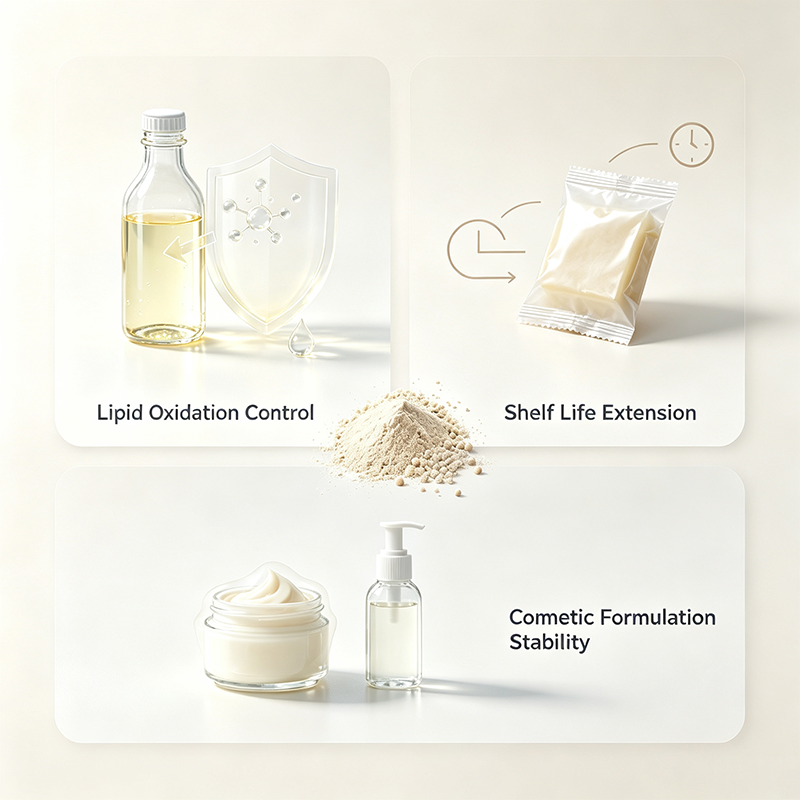
1. Lipid Oxidation Control
Prevents the development of rancid off-flavors and odors in oils and fat-containing products during storage.
2. Shelf Life Extension
Maintains product freshness and sensory quality over extended storage periods in processed foods.
3. Cosmetic Formulation Stability
Protects oil-phase components in creams and lotions from oxidative degradation and rancidity.
INDUSTRIAL APPLICATIONS
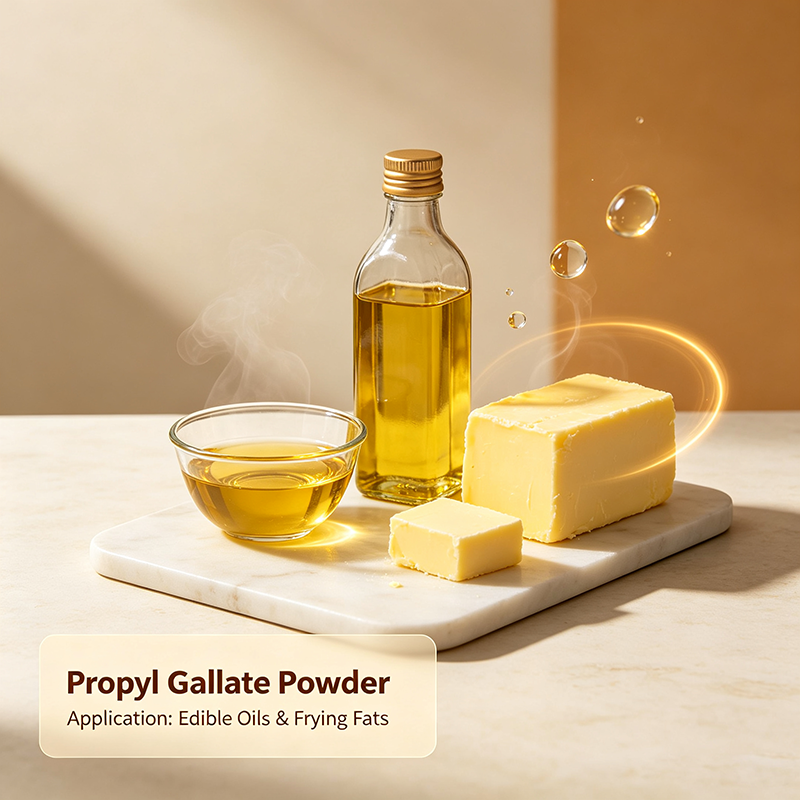
1. Edible Oils & Frying Fats
Added to vegetable oils, frying shortenings, and margarine to prevent thermal and oxidative deterioration.
2. Baked Goods & Snacks
Incorporated into biscuits, instant noodles, and fried snacks to maintain crispness and prevent stale flavors.
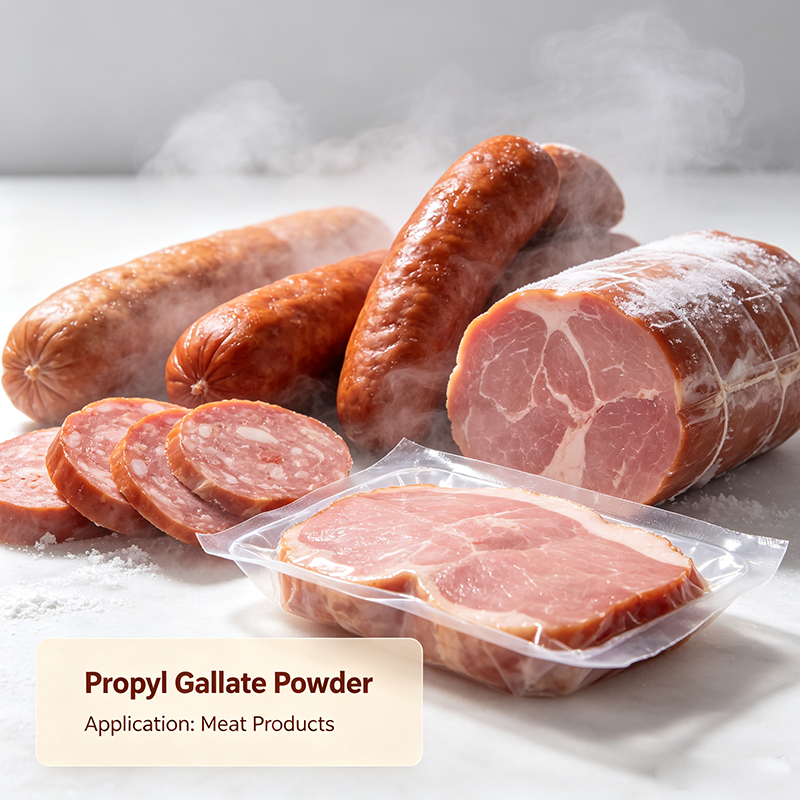
3. Meat Products
Used in processed meats and sausages to extend refrigerated shelf life and maintain color stability.
4. Cosmetics & Personal Care
Applied as an antioxidant stabilizer in lipid-rich creams, lip balms, and lotions to prevent rancidity.
5. Food Packaging Materials
Impregnated into packaging materials to provide active antioxidant protection for lipid-containing foods.
6. Industrial Lipid Systems
Applied in animal feed fats and technical-grade lipid systems requiring cost-effective oxidative stabilization.
TECHNICAL FAQ
Q1: How does Propyl Gallate compare to BHA and BHT as antioxidants?
A: Propyl Gallate (E310) demonstrates stronger antioxidant activity in certain lipid systems. It is often blended with BHA or BHT at synergistic ratios (e.g., PG:BHA:BHT at 1:2:1) to reduce total additive usage while maximizing shelf life.
Q2: What is the typical usage level in food products?
A: Regulatory limits vary by region. As a general reference, Propyl Gallate is typically used at 0.02%–0.1% by weight of the fat or oil content. Always verify local food additive regulations for the target market.
Q3: Is Propyl Gallate suitable for high-temperature frying applications?
A: Yes. Its melting point of 146°C–150°C and good thermal stability make it suitable for frying oils. For prolonged deep-frying, combination with other heat-stable antioxidants is recommended.