

Products


Paprika Oleoresin Oil Liquid 100000 CU Capsanthin Color Value Food Grade Natural Red Pigment E160c
Paprika Oleoresin Liquid
Paprika oleoresin begins as ripe paprika fruit — Capsicum annuum L. — harvested, dried, and gently extracted with food-grade organic solvents to capture everything the pepper has to offer: the red carotenoid pigments (capsanthin first among them, E160c), the natural capsaicinoids, and the fruit’s own fatty constituents. What emerges is a deep red, viscous, concentrated oil — nature’s two-in-one ingredient. One stream of chemistry delivers color: standardized to a color value of 100,000 CU, this grade ranks among the most concentrated paprika colorants available. Another stream delivers character: capsaicin content is adjustable by specification, from gentle low-pungency grades to full-heat profiles. For formulators, it means a single bulk liquid that colors, flavors, and labels clean.
E160c Colorant
CAS 68917-78-2
Dual-Function
Specifications
| Item | Specification |
| Product Name | Paprika Oleoresin Liquid |
| CAS Number | 68917-78-2 |
| E Number | E160c (as colorant) |
| Appearance | Deep Red to Dark Red Viscous Oil |
| Color Value | 100,000 CU (40,000 – 120,000 CU available) |
| Capsaicin Content | Adjustable (low-pungency to pungent grades) |
| Solubility | Soluble in oils and organic solvents |
| Loss on Drying | ≤ 0.5% |
| Residual Solvent | Meets food-grade regulatory limits |
| Heavy Metals (Pb) / Arsenic (As) | Pb ≤ 2 ppm / As ≤ 1 ppm |
| Botanical Source | Ripe paprika fruit (Capsicum annuum L.) |
| Extraction Method | Food-grade organic solvent extraction |
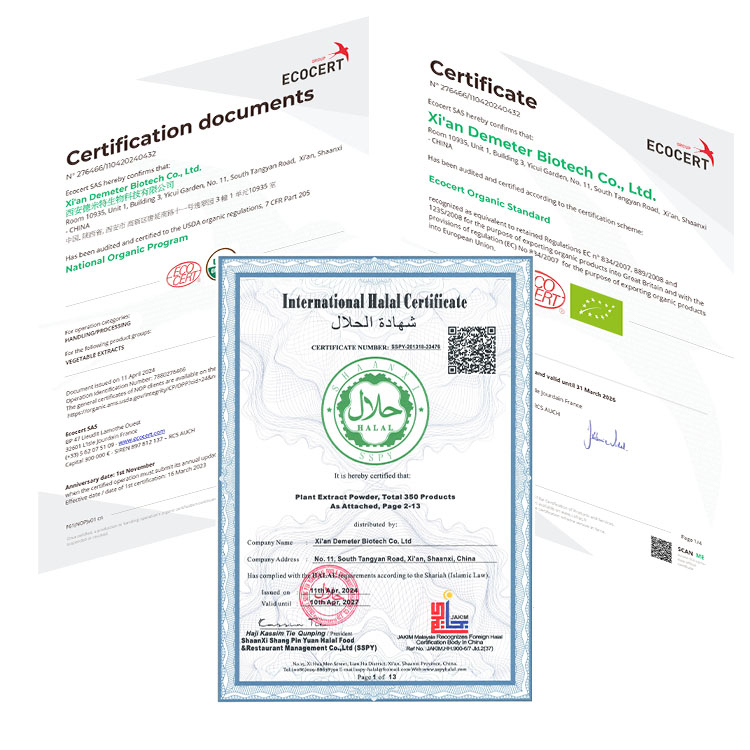
| Certificates / Shelf Life | HALAL, KOSHER, ISO 9001, ISO 22000, COA, MSDS / 24 Months |
Reading the Spec: CU & SHU
Paprika oleoresin speaks two specification languages at once — one for color, one for heat. Understanding both is the difference between picking a grade and engineering a product. Here is how to read them.
Color Units — How Red Is It?
Color value (CU) is measured spectrophotometrically: the absorbance of a standardized dilution at the pigment’s absorption maximum, corrected for dilution and sample weight. The higher the CU, the more concentrated the coloring power per gram — this grade delivers 100,000 CU, with 40,000 to 120,000 CU available to match your shade economics.
Scoville Heat Units — How Hot Is It?
Pungency is expressed in Scoville Heat Units (SHU). The original 1912 Scoville test measured how far an extract could be diluted before a tasting panel could no longer detect heat; modern labs quantify capsaicinoids directly by HPLC and convert to SHU. Capsaicin is the dominant capsaicinoid, and its level here is set by your specification — from barely-there warmth to pronounced heat.
Why Both Matter
Color applications care about CU — reaching the target red at the lowest cost per unit of shade. Flavor applications care about SHU — delivering the intended heat profile consistently. Because paprika oleoresin carries both, one ingredient can serve a color-driven product, a flavor-driven product, or a product that needs both — with each parameter standardized and documented per batch.
Customizable by Specification
No two formulations need the same balance. This product line supports custom CU/SHU combinations — high-color low-heat for clean-label reds, or color-plus-character for seasoning systems. Share your target specification and we will standardize the batch to it, with both parameters verified on the Certificate of Analysis.
Product Highlights
Standardized Color Value
Standardized by color value in CU — a defined, measurable specification. At 100,000 CU, this grade delivers high coloring intensity with predictable shade control in every batch.
Color + Flavor in One
Red carotenoid coloring (capsanthin, E160c) and natural paprika flavor from capsaicinoids — one ingredient fulfilling two formulation roles and simplifying your ingredient deck.
Grade Flexibility
Other color value grades from 40,000 to 120,000 CU are available on request — match the coloring strength to your application and cost structure rather than over-dosing a single standard.
Adjustable Pungency
Capsaicin content is customizable from low-pungency grades to pungent grades — select the exact heat profile your product needs, documented on the batch COA.
Certificate of Analysis (COA)
| Product Name | Paprika Oleoresin Liquid | Batch No. | DM20260818 |
| CAS No. | 68917-78-2 | Test Date | 2026-08-18 |
| MFG Date | 2026-08-11 | Expiry Date | 2028-08-10 |
| Items | Specification | Methods | Results |
| Color Value | ≥ 100,000 CU | Spectrophotometry | 102,000 CU |
| Capsaicin Content | Per agreed specification | HPLC | Conforms |
| Appearance | Deep Red to Dark Red Viscous Oil | Visual | Conforms |
| Loss on Drying | ≤ 0.5% | Gravimetric | 0.3% |
| Residual Solvent | Meets food-grade limits | GC | Conforms |
| Heavy Metals (Pb) / Arsenic (As) | Pb ≤ 2 ppm / As ≤ 1 ppm | ICP-MS | Conforms |
| Total Plate Count | ≤ 1,000 cfu/g | Plate Count | Conforms |
| Storage | Store in a cool, dry, dark, and sealed container below 25 Deg C. Protect from light. | ||
| Shelf Life | 24 months from manufacturing date under recommended storage conditions. | ||
Function & Benefits
Natural Red Coloring
The capsanthin fraction (E160c) delivers red to orange-red shades — a natural alternative to synthetic red dyes, with color strength locked in by the standardized CU specification.
Flavor & Aroma Contribution
Beyond color, the oleoresin carries the paprika fruit’s natural flavor and aroma — a taste contribution no synthetic pigment can offer, with heat level set by your SHU specification.
Oil-Soluble Compatibility
A true oil-phase ingredient: directly miscible with oils, fats, and oil-based systems — no dispersion step, no carrier blending, ready to dose into fat-containing formulations.
Clean-Label Natural Source
Extracted from ripe paprika fruit with food-grade organic solvents to regulatory residual limits — a naturally sourced ingredient that supports clean-label ingredient declarations.
Applications

Meat & Processed Foods
Color and flavor for sausages, processed meats, and marinades — the classic paprika red that signals quality on the shelf, delivered without synthetic additives.
Seasonings & Sauces
Natural color and flavor for sauces, dressings, and seasoning blends — one oil-soluble ingredient bringing both the red and the character of paprika to the recipe.
Snack Foods
Coloring for extruded snacks, chips, and savory snacks — heat- and light-stable enough to hold the appetizing red through processing and shelf life.
Food Manufacturing
An oil-soluble natural colorant for soups, ready meals, and bakery — easy to meter into large-scale production with batch-consistent CU and SHU.