

Products


Oragnic Oyster Mushroom (Pleurotus Ostreatus) Extract Polysaccharide 10%-30% Powder Food Grade
Oyster Mushroom Extract
Polysaccharide 10-30% Powder
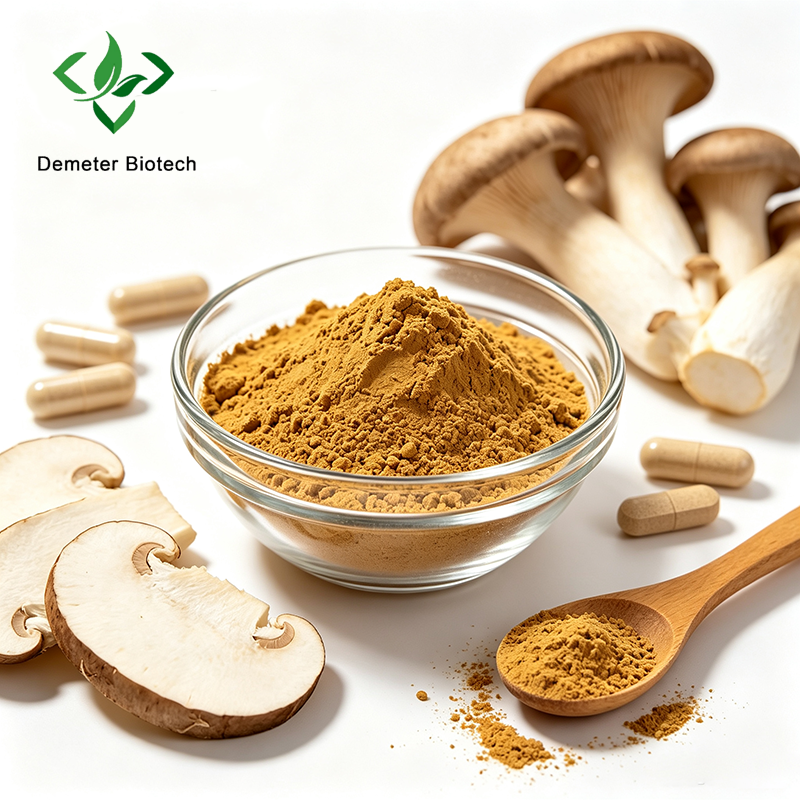
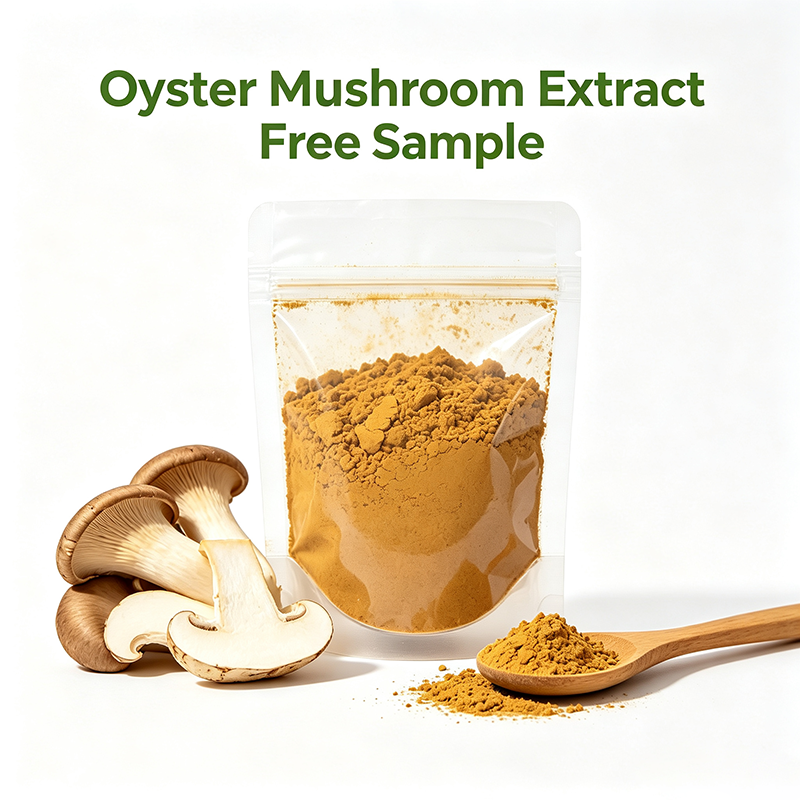
Step into an autumn woodland where rain has softened a fallen hardwood log, and a fan-shaped cluster of oyster mushrooms is quietly working a marvel most people never see. Beneath the visible caps, a network of white mycelium threads is digesting the wood itself — secreting enzymes that break tough cellulose, hemicellulose, lignin, and pectin into simple sugars the fungus can feed on. This is saprophytic life in action, and it is exactly the chemistry we set out to capture. From organically cultivated fruiting bodies, we use nothing but hot water to draw out the mushroom’s natural fungal polysaccharides — including beta-glucan — then spray-dry the liquor into a standardized powder carrying 10% to 30% polysaccharides. The fruiting body it came from is famously nutrient-dense, holding roughly 20-23 grams of protein per 100 grams alongside a wide amino acid profile and abundant minerals. In traditional dietetics it has long been described as warm in nature and sweet in taste. What reaches your formula is a fine brown to light-yellow, food-grade powder — the forest’s quiet chemistry, concentrated into a single clean ingredient for nutraceutical, functional food, cosmetic, and animal nutrition applications.
Beta-Glucan Rich
Water-Extracted
Food Grade
Specifications
| Item | Specification |
| Product Name | Oyster Mushroom Extract Polysaccharide Powder |
| Scientific Name | Pleurotus ostreatus (Jacq. ex Fr.) P. Kumm. |
| Common Name | Oyster Mushroom / Hiratake |
| Part Used | Fruiting Body (Organically Cultivated) |
| Extraction Method | Hot Water Extraction & Spray-Dried — No Organic Solvents |
| Polysaccharide Content | 10% – 30% (Phenol-Sulfuric Acid / UV-Vis) |
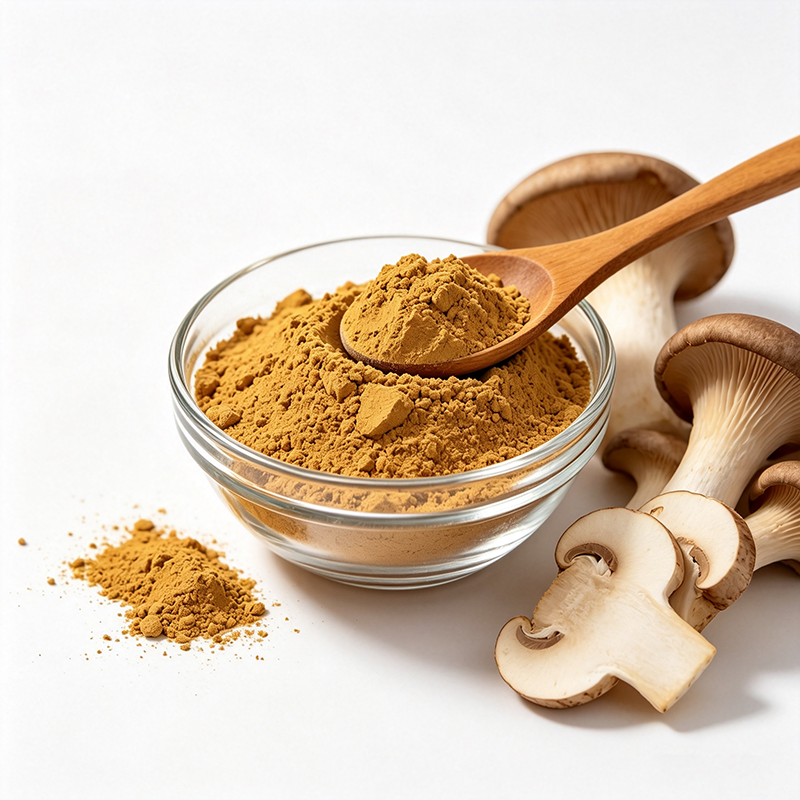
| Appearance | Fine Brown to Light-Yellow Powder |
| Odor | Characteristic Mushroom Aroma |
| Mesh Size | 80 Mesh |
| Solubility | Water-dispersible; polysaccharide fraction partially soluble |
| Additives / Carriers | None |
| Naturally Occurring Protein | Approx. 20-23 g per 100 g of raw fruiting body |
| Loss on Drying | ≤ 8.0% |
| Ash Content | ≤ 8.0% |
| Heavy Metals | Pb ≤ 2 ppm, As ≤ 1 ppm, Cd ≤ 1 ppm, Hg ≤ 0.1 ppm |
| Total Plate Count | ≤ 1,000 cfu/g |
| Yeast & Mold | ≤ 100 cfu/g |
| E. coli | Negative / 10g |
| Salmonella | Negative / 25g |
| Organic Certification | Organically Cultivated Source (Certificate Available on Request) |
| Grade | Food Grade |
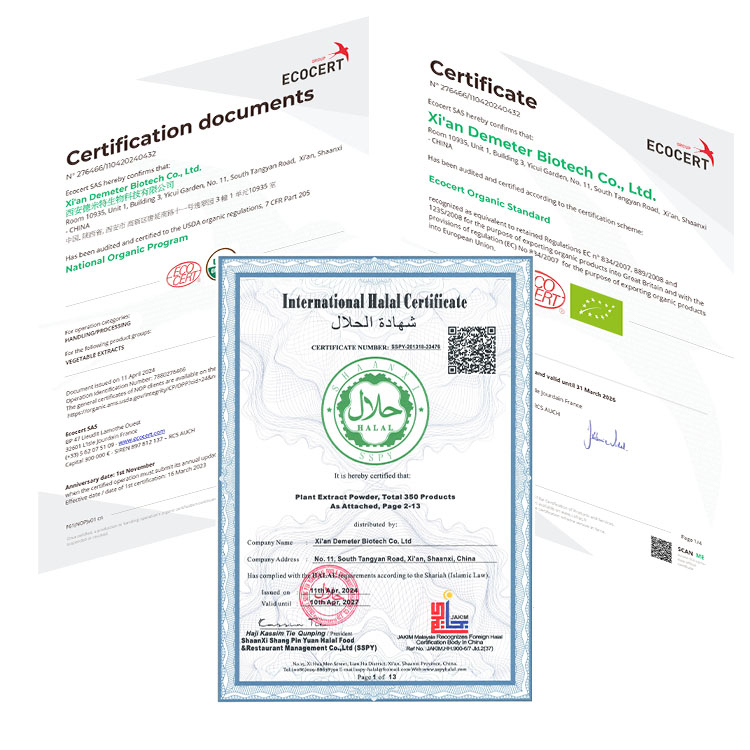
| Certificates | Organic, Kosher, Halal, ISO 9001, ISO 22000, HACCP, Non-GMO, COA, MSDS |
| Storage | Store in a cool, dry place (≤ 25°C) away from light and moisture. Keep sealed. |
| Shelf Life | 24 Months |
Product Highlights
Standardized Polysaccharide Range
Every batch is measured against a declared total polysaccharide range of 10% to 30% using the phenol-sulfuric acid method with UV-Vis detection. That means a consistent, quantifiable specification for dosage design — batch after batch, from the first drum to the last.
Protein-Dense Fruiting Body
The raw oyster mushroom naturally carries about 20-23 grams of protein per 100 grams, along with a broad spectrum of amino acids and abundant minerals. This nutrient density carries into the extract, supporting its role as a functional nutrient contributor in food and supplement systems.
Water-Extracted, Solvent-Free
Hot water alone draws out the water-soluble polysaccharide fraction — no organic solvents, no chemical processing aids anywhere in the chain. The result is a genuinely clean ingredient you can explain to customers in one sentence: mushroom plus water.
Beta-Glucan-Rich Fungal Profile
Beta-glucan and fungal polysaccharides are structural compounds native to the oyster mushroom fruiting body, carried intact through water extraction. These naturally occurring constituents are what give the extract its recognized value in immune-support nutraceutical formulation work.
Certificate of Analysis (COA)
| Product Name | Oyster Mushroom Extract Polysaccharide Powder | Batch No. | DMT20260818 |
| Scientific Name | Pleurotus ostreatus | Test Date | 2026-08-18 |
| MFG Date | 2026-08-12 | Expiry Date | 2028-08-11 |
| Items | Specification | Methods | Results |
| Polysaccharide Content | 10% – 30% | Phenol-Sulfuric Acid / UV-Vis | 22.4% |
| Beta-Glucan | Present | Enzymatic | Detected |
| Protein (Naturally Occurring) | 20-23 g/100 g | Kjeldahl | 21.5 g/100 g |
| Appearance | Fine Brown to Light-Yellow Powder | Visual | Conforms |
| Odor | Characteristic Mushroom Aroma | Organoleptic | Conforms |
| Mesh Size | 80 Mesh | Sieve Analysis | Conforms |
| Additives / Carriers | None | Label Declaration | Conforms |
| Loss on Drying | ≤ 8.0% | Gravimetric | 5.6% |
| Ash Content | ≤ 8.0% | Gravimetric | 6.1% |
| Lead (Pb) | ≤ 2 ppm | ICP-MS | Conforms |
| Arsenic (As) | ≤ 1 ppm | ICP-MS | Conforms |
| Cadmium (Cd) | ≤ 1 ppm | ICP-MS | Conforms |
| Mercury (Hg) | ≤ 0.1 ppm | ICP-MS | Conforms |
| Total Plate Count | ≤ 1,000 cfu/g | Plate Count | Conforms |
| Yeast & Mold | ≤ 100 cfu/g | Plate Count | Conforms |
| E. coli | Negative / 10g | USP <62> | Conforms |
| Salmonella | Negative / 25g | USP <62> | Conforms |
| Shelf Life | 24 months from production date. Refer to the batch-specific COA for exact expiry. | ||
| Storage | Store in a cool, dry, dark, sealed container below 25°C. Keep away from light and moisture. | ||
Function & Wellness Benefits
Beta-Glucan for Immune-Support Formulas
The fruiting body’s beta-glucan and fungal polysaccharides are the compounds most sought after by formulators building immune-support products. In capsules, tablets, and compound powders, this extract delivers those naturally occurring constituents in a standardized, quantifiable form — a dependable backbone for nutraceutical product development.
Natural Mushroom Flavor & Nutrients
Beyond polysaccharides, the extract carries the mushroom’s characteristic aroma and a functional nutrient profile — protein, amino acids, and minerals. For functional foods, solid beverages, and meal replacement powders, it adds both recognizable mushroom character and compositional depth from a single botanical source.
Antioxidant Activity Contributor
Possessing antioxidant activity, this food-grade extract serves as a thoughtful addition to skincare raw-material formulas, where it is incorporated for soothing and antioxidant purposes. For natural cosmetics brands, it brings a forest-origin story alongside measurable functional character.
Bioactive Base for Animal Nutrition
As a feed additive raw material, the extract supplies naturally occurring bioactive components for animal health products. Its food-grade quality and traceable organic sourcing make it an attractive functional ingredient for manufacturers serving the growing natural animal nutrition segment.
Applications
Immune-Support Nutraceuticals
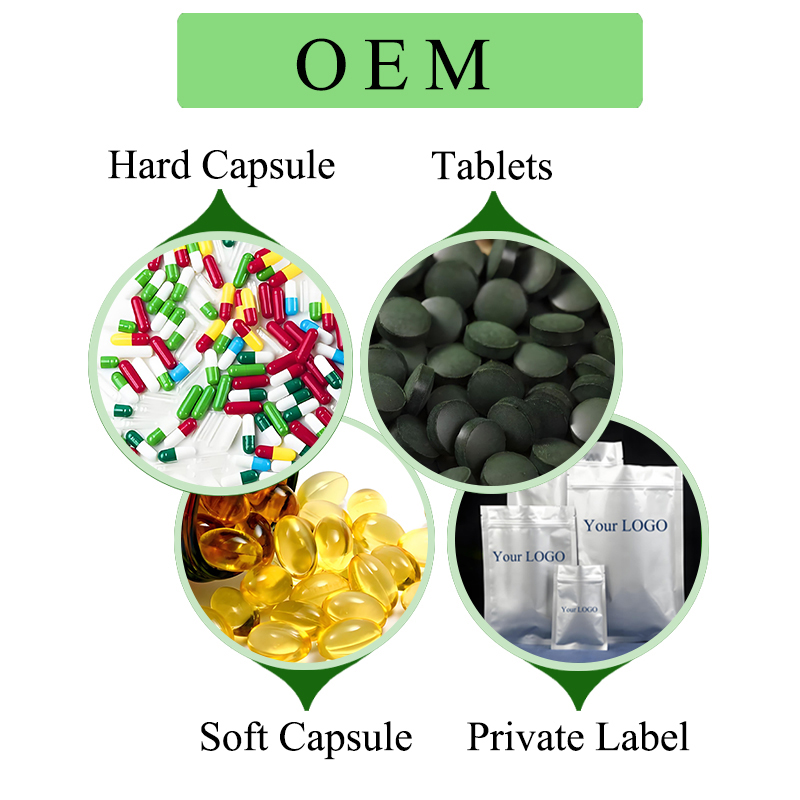
Capsules, tablets, and compound powder blends built around beta-glucan and fungal polysaccharides. The standardized 10%-30% assay gives R&D teams a reliable reference point for dosage design and batch-to-batch consistency.
Functional Foods & Solid Beverages
Meal replacement powders, solid drinks, and functional food bars where natural mushroom flavor meets functional nutrients — a clean-label way to add protein, amino acids, minerals, and polysaccharides in one ingredient.
Savory Seasonings & Soup Bases
The extract’s characteristic mushroom aroma and umami character make it a natural fit for seasoning blends, broth bases, sauces, and savory snack coatings — adding authentic mushroom depth without artificial flavoring systems.
Skincare & Personal Care
With its antioxidant activity, the extract fits naturally into serums, masks, and soothing care formulas targeting the natural cosmetics segment — where formulators and consumers alike are drawn to fungal-derived, forest-sourced ingredients.
Feed Additive Raw Material
For animal health products, the extract supplies naturally occurring bioactive components as a food-grade feed additive raw material — supporting formulators with a plant-derived functional ingredient that is traceable from cultivation to delivery.
Professional Supply Chain & Services

Frequently Asked Questions
-

Food Grade Natural Flavonoid Luteolin Extract P...
-

High-Purity Silybin (Silibinin) Powder Isolate ...
-
Natural Sennoside 8% 10% 20% Senna Leaf Extract...
-

Pure Reduced Coenzyme Q10 Ubiquinol Powder 98% ...
-
Natrual Rhodiola Rosea Extract Powder Rosavin 3...
-

High Absorption Liposomal Vitamin C Powder Bulk...


