


Products

Menaquinone-4 Vitamin K2 MK-4 Liquid Oil 1.3% Food Supplement Ingredient CAS 863-61-6 for Softgel Encapsulation and Premix Applications
Fat-Soluble Vitamin Ingredients
VITAMIN K2 MK-4
1.3% LIQUID OIL (MENAQUINONE-4)
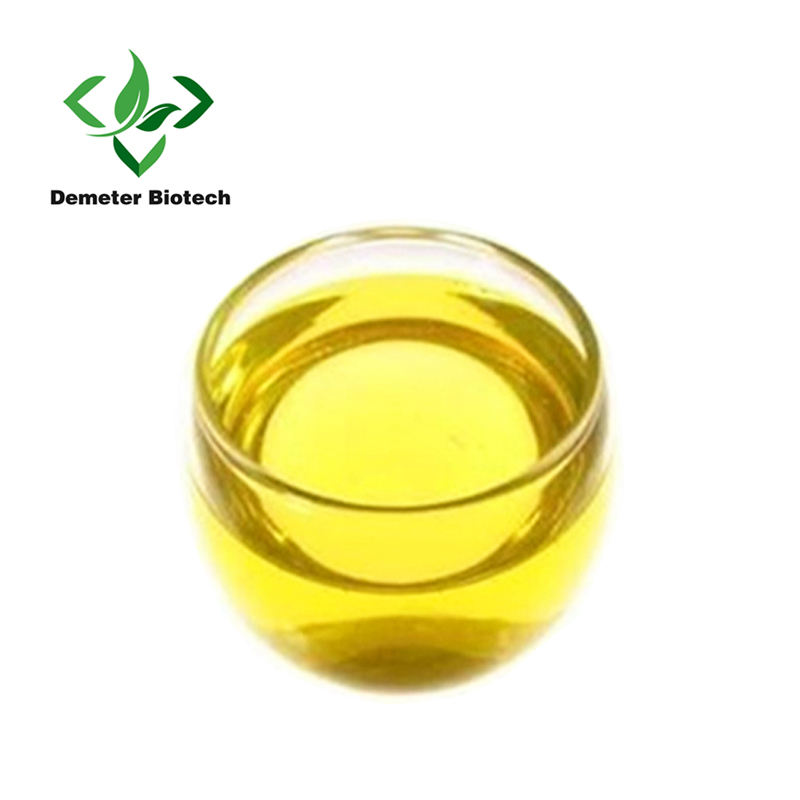
Vitamin K2 as Menaquinone-4 (MK-4) is a short-chain menaquinone belonging to the Vitamin K family — a group of fat-soluble 2-methyl-1,4-naphthoquinone derivatives distinguished by the length of their unsaturated polyisoprenoid side chain. MK-4 carries four isoprene units at the C-3 position, making it the shortest naturally occurring menaquinone. Unlike the long-chain MK-7 produced exclusively by bacterial fermentation, MK-4 is found in animal-derived foods and can be formed in the body from dietary Vitamin K1. Commercially, the 1.3% liquid oil form — MK-4 dissolved in MCT oil — is the standard working concentration for the dietary supplement and food fortification industries. It is supplied as a light yellow to yellow viscous oil, compatible with softgel filling, oil-based drop formulations, and lipid-phase premix blending.
All-Trans ≥95%
Nature-Identical
TECHNICAL SPECIFICATIONS
EVIDENCE & CERTIFICATES
1. HPLC Assay & All-Trans Isomer Verification
Every batch is tested by HPLC to confirm ≥ 1.3% (13,000 ppm) MK-4 content with All-Trans isomer ratio ≥ 95%, ensuring the biologically preferred configuration is the dominant species.
2. HALAL, KOSHER & ISO 22000 Certification
Produced in ISO 9001 and ISO 22000 certified facilities with HALAL and KOSHER documentation, enabling unrestricted access to global dietary supplement and food fortification markets.
3. Heavy Metal & Physical Parameter Compliance
Full batch-specific COA documenting density (~0.92-0.95 g/mL), Heavy Metal limits (Pb ≤ 2 ppm, As ≤ 1 ppm), and light-protective storage compliance for global logistics.
PRODUCT HIGHLIGHTS
Short-Chain Menaquinone — Structurally Distinct from MK-7
MK-4 contains a geranylgeranyl side chain of four isoprene units, versus MK-7′s seven-unit side chain. This structural difference results in distinct physical properties, including lower viscosity in solution and different behavior in lipid-phase food matrices — offering formulators a complementary Vitamin K2 option alongside MK-7 for multi-form K2 blends.
1.3% Oil — Pre-Dissolved for Direct Manufacturing
The 1.3% concentration in MCT oil provides an immediately usable liquid feedstock for softgel encapsulation lines and liquid drop manufacturing. No dissolution or carrier blending is required by the finished product manufacturer, eliminating a processing step and reducing batch-to-batch variability.
Nature-Identical to Animal-Derived MK-4
The synthetic MK-4 molecule is chemically identical to the menaquinone-4 naturally present in animal-derived foods such as egg yolk, butter, and organ meats. This nature-identical status distinguishes it from chemically modified vitamin derivatives and supports its use in formulations labeled with the vitamin name.
All-Trans Isomer Verification ≥ 95%
The biologically preferred all-trans configuration of MK-4 constitutes ≥ 95% of the product, verified by HPLC. The cis-isomer content is controlled during the alkylation and purification steps to ensure batch consistency across production cycles.
FUNCTIONAL ROLES
1. Softgel Encapsulation Feedstock
Pre-dissolved in MCT oil for direct use in softgel manufacturing lines — no additional dissolution or carrier blending is required, minimizing processing steps and batch variability.
2. Liquid Oral Drop Formulations
Serves as a ready-to-use liquid ingredient for oral drop products, providing accurate microgram-level dosing in a consumer-friendly delivery format.
3. Lipid-Phase Nutrient Fortification
Oil-based format compatible with fat-containing food matrices for vitamin fortification in accordance with applicable food regulations.
4. Multi-Form K2 Synergistic Blending
Combined with MK-7 and Vitamin D3 in single formulations to provide both short-chain and long-chain menaquinones for comprehensive Vitamin K2 supplementation.
INDUSTRIAL APPLICATIONS

1. Softgel Dietary Supplements
MK-4 used as a stand-alone Vitamin K2 ingredient and in combination products with MK-7, Vitamin D3, and calcium for adult dietary supplement categories.
2. Liquid Oral Drop Products
Ready-to-use oil-based feedstock for oral drop formulations, enabling precise microgram-level Vitamin K2 dosing in consumer-facing liquid products.
3. Food Fortification Premixes
1.3% oil incorporated into oil-soluble multi-nutrient premix systems for fortified dairy products, functional beverages, and formulated nutritional products.
4. Multi-Form K2 Complex Formulations
Combined with MK-7 in formulated supplements to provide both short-chain and long-chain menaquinones in a single product — a growing subcategory within the K2 market.
OEM & PACKING


TECHNICAL FAQ
Q1: What is the structural difference between MK-4 and MK-7?
A: Both are menaquinones with a 2-methyl-1,4-naphthoquinone core. The sole difference is the side chain length at the C-3 position: MK-4 has four isoprene units (geranylgeranyl chain, C-20), while MK-7 has seven isoprene units (C-35). This difference in side chain length affects their physical properties and how they are handled by the body after ingestion.
Q2: Why is MK-4 supplied as a 1.3% oil rather than a pure powder?
A: Pure MK-4 is a crystalline solid at room temperature but is used in microgram-level amounts in finished products. The 1.3% pre-dilution in MCT oil provides a safe, measurable working concentration that integrates directly into oil-based manufacturing processes such as softgel filling — eliminating the need for manufacturers to handle and dissolve pure crystals.
Q3: How does MK-4 differ in origin from MK-7?
A: MK-4 is found naturally in animal-derived foods (egg yolk, dairy, organ meats) and is commercially produced by chemical synthesis. MK-7 is produced by bacterial fermentation (primarily Bacillus subtilis natto) and found in fermented foods such as natto. Both are nature-identical — chemically indistinguishable from their naturally occurring counterparts.