

Products


Food Grade Sucralose Sweetener Powder E955 Heat-Stable Zero-Calorie Artificial Sweetener
High-Intensity Sweeteners
SUCRALOSE
FOOD GRADE (E955)
Sucralose (E955) is a high-intensity artificial sweetener produced through the selective chlorination of sucrose, in which three hydroxyl groups are replaced with chlorine atoms. This structural modification yields a compound approximately 600 times sweeter than sucrose while remaining non-caloric — the human body does not recognize sucralose as a carbohydrate and it passes through the digestive tract without metabolic breakdown. Unlike aspartame, sucralose exhibits exceptional thermal stability, retaining its sweetness through baking and pasteurization processes that degrade other high-intensity sweeteners. With a clean, sugar-like sweetness onset and no bitter aftertaste, sucralose is the most widely used synthetic sweetener globally, applied in over 4,000 food and beverage products across carbonated drinks, baked goods, dairy, and tabletop sweetener formulations.
Zero Calorie
Heat-Stable >200°C
TECHNICAL SPECIFICATIONS
EVIDENCE & CERTIFICATES
1. HPLC Purity Verification (98%-102%)
Batch-specific certificate confirms compliant purity assay. Full impurity profiling — including related chlorinated disaccharides and triphenylphosphine oxide — is documented for regulatory filing.
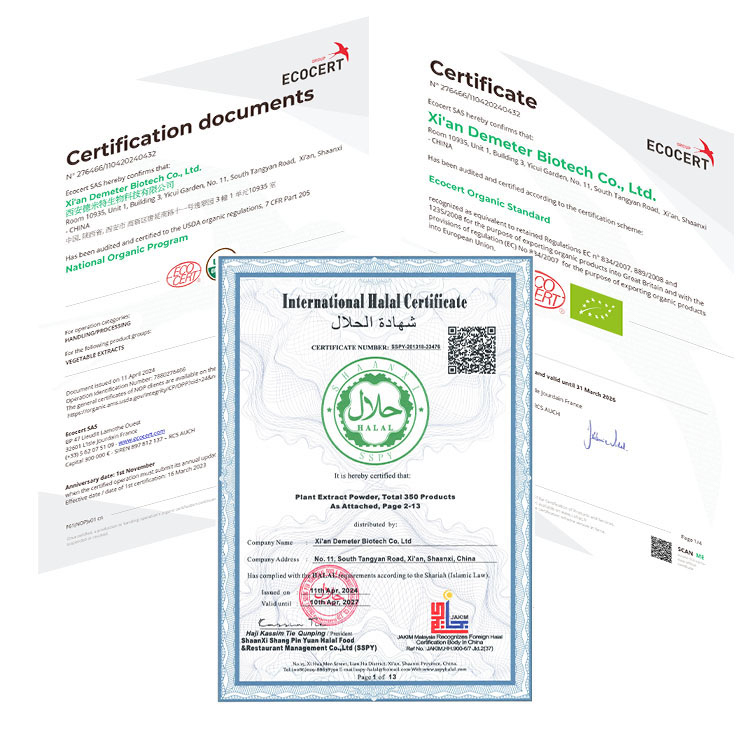
2. HALAL, KOSHER & ISO Certification
Produced under ISO-certified quality management systems, with full HALAL and KOSHER documentation for unrestricted access to global food and beverage markets.
3. Heavy Metal & Microbiology Compliance
Strict heavy metal screening (Pb ≤ 1 ppm, As ≤ 3 ppm) and microbiological testing confirm food-grade safety for global distribution.
PRODUCT HIGHLIGHTS
600× Sucrose Sweetness with Zero Calories
The selective chlorination of the sucrose molecule creates a compound that binds to sweet taste receptors with 600 times the affinity of sucrose, yet is not recognized by digestive enzymes. This enables intense sweetness at milligram-per-serving addition rates with no caloric contribution and no glycemic response.
Superior Heat Stability for Processed Foods
Unlike aspartame, which degrades at temperatures above 80°C and loses sweetness, sucralose remains stable through baking, retorting, and UHT processing. This property makes it the only high-intensity synthetic sweetener suitable for the full range of heat-processed food and beverage applications.
Clean, Sugar-Like Temporal Profile
Sucralose delivers a sweetness onset and duration closely matching sucrose, free from the licorice notes of stevia or the metallic aftertaste of saccharin. This sensory similarity has made it the preferred sweetener for mainstream consumer products where taste familiarity is the primary commercial driver.
Broad pH Stability Spectrum
Sucralose maintains chemical integrity and sweetness potency across the full pH range encountered in food processing — from acidic carbonated beverages (pH 2.5) to neutral dairy systems (pH 7.0). This stability eliminates the need for pH-adjusted sweetener blends in complex product lines.
FUNCTIONAL ROLES
1. High-Intensity Sweetening
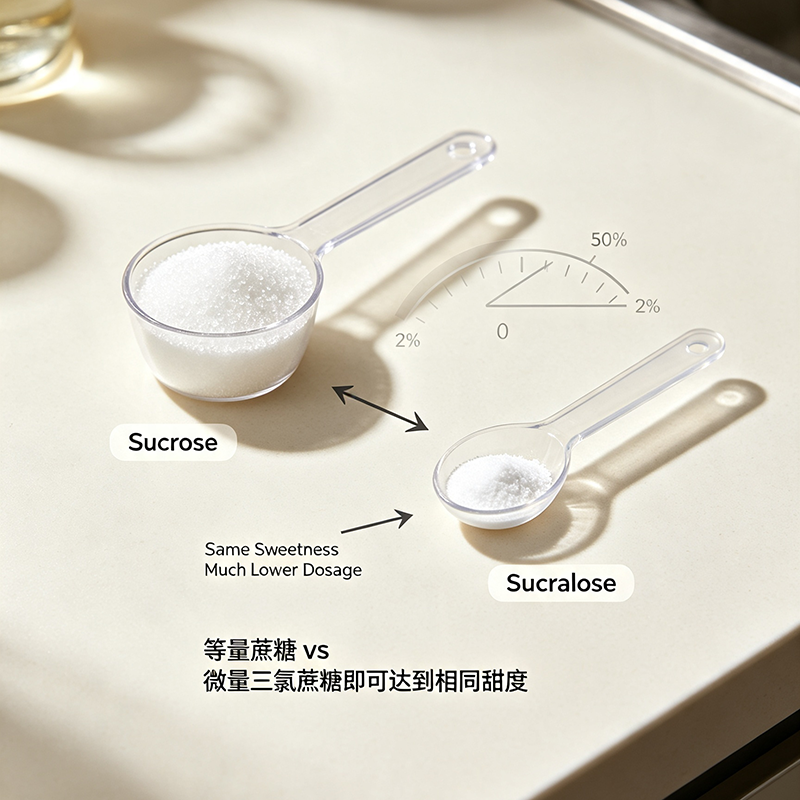
Provides sugar-equivalent sweetness at approximately 1/600th of the weight, enabling substantial bulk and caloric reduction.
2. Heat-Processed Food Sweetener
Serves as the primary sweetening agent in baked goods, canned products, and pasteurized beverages where thermal stability is essential.
3. Shelf-Stable Sweetness Source
Retains sweetness potency through extended storage without degradation, supporting long shelf-life product formulations.
4. Synergistic Sweetener Component
Commonly blended with acesulfame-K or erythritol to fine-tune sweetness onset and offset any temporal profile variations.
INDUSTRIAL APPLICATIONS
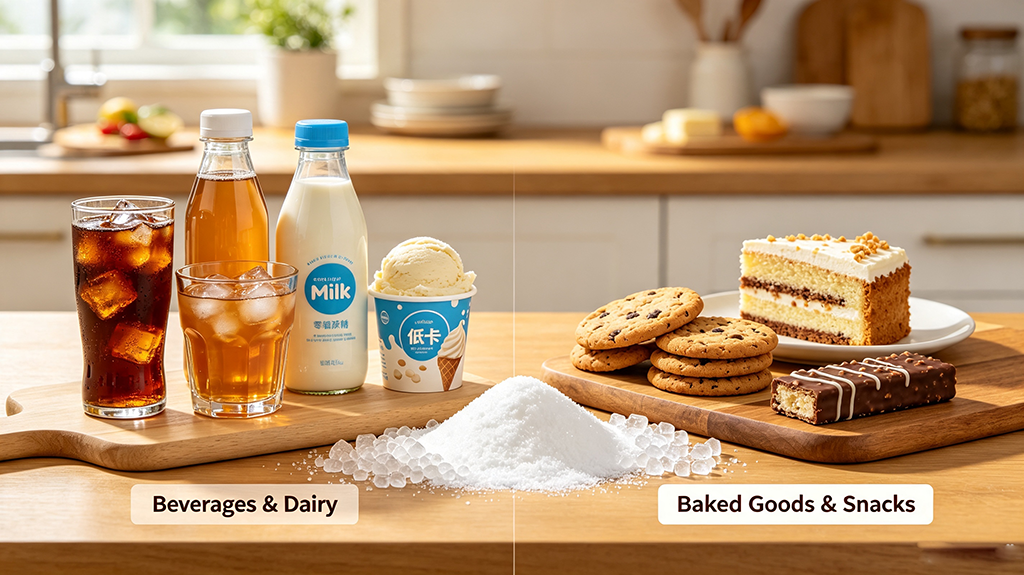
1. Beverages & Dairy Products
The dominant high-intensity sweetener in global diet and zero-sugar carbonated beverages, RTD drinks, and low-calorie ice creams and flavored milk products.
2. Baked Goods & Snack Bars
The preferred sweetener for sugar-free cookies, cakes, and protein bars requiring high-temperature processing without sweetness loss.
3. Tabletop Sweetener Sachets
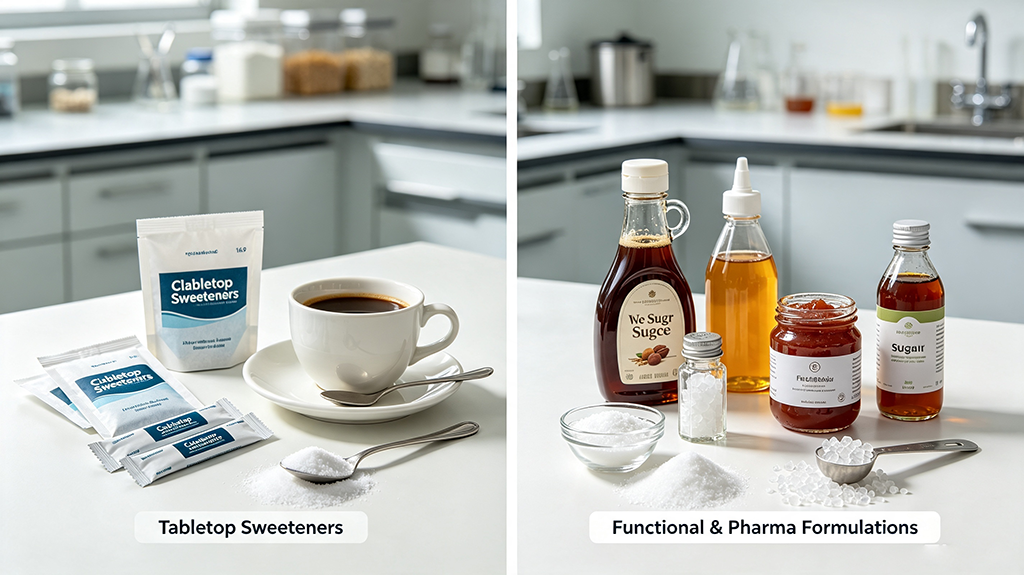
Formulated as the active sweetening agent in consumer spoonable and single-serve sweetener products for retail and food service.
4. Functional & Pharma Formulations
Applied in sugar-free sauces, syrups, fruit preserves, and pharmaceutical syrups where sweetness without caloric bulk is required.
OEM & PACKING
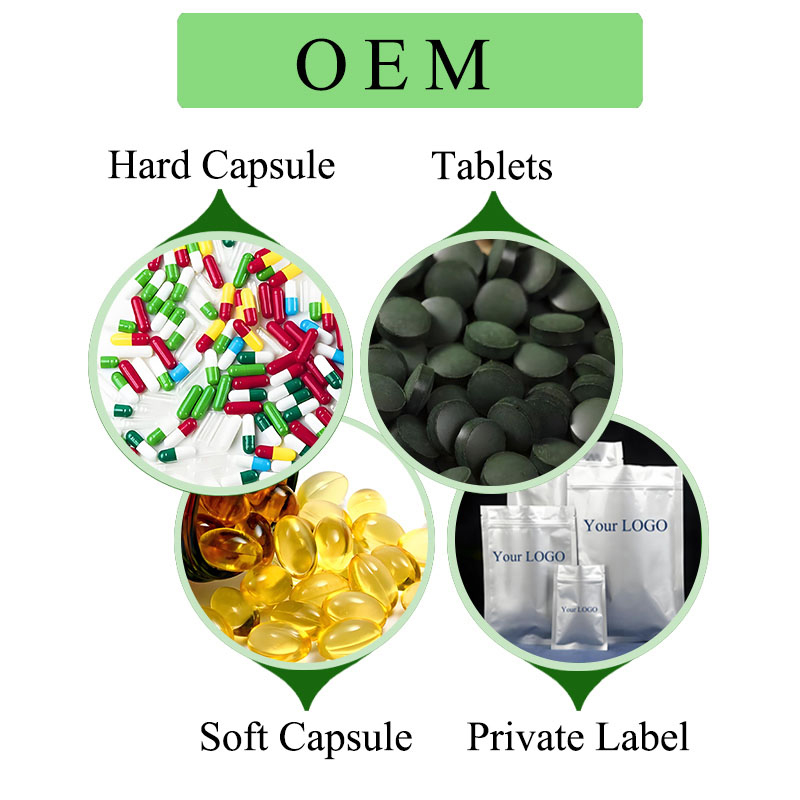
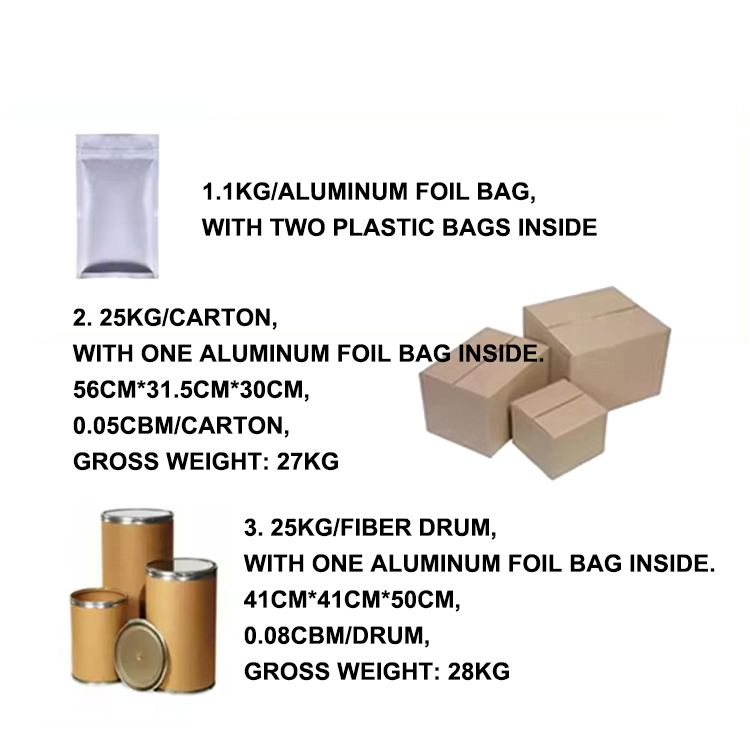

TECHNICAL FAQ
Q1: Why is sucralose 600 times sweeter than sugar?
A: The selective replacement of three sucrose hydroxyl groups (-OH) with chlorine atoms dramatically increases binding affinity to the T1R2/T1R3 sweet taste receptors while simultaneously preventing recognition by digestive enzymes. The result is a molecule that tastes intensely sweet at microgram levels but contributes zero calories because it passes through the body unmetabolized.
Q2: Up to what temperature does sucralose remain stable?
A: Sucralose remains chemically intact and sweetness-potent at temperatures exceeding 200°C, making it suitable for baking, UHT processing, and retorting. This is a key advantage over aspartame, which degrades above 80°C. For prolonged deep-frying above 230°C, preliminary stability testing with the specific food matrix is recommended.
Q3: Can sucralose be blended with other sweeteners?
A: Yes, it is routinely blended with acesulfame-K or erythritol to optimize sweetness onset speed and round out the temporal profile. A typical synergistic ratio is 1:1 sucralose-to-acesulfame-K, which can reduce total sweetener usage while achieving a more sucrose-like overall taste curve.