



Products


High Quality Hpmc Hydroxypropyl Methyl Cellulose Ether for Construction Mortar, Daily Chemical CAS 9004-65-3
HPMC E5 · Hypromellose · E464
Hydroxypropyl Methylcellulose E5
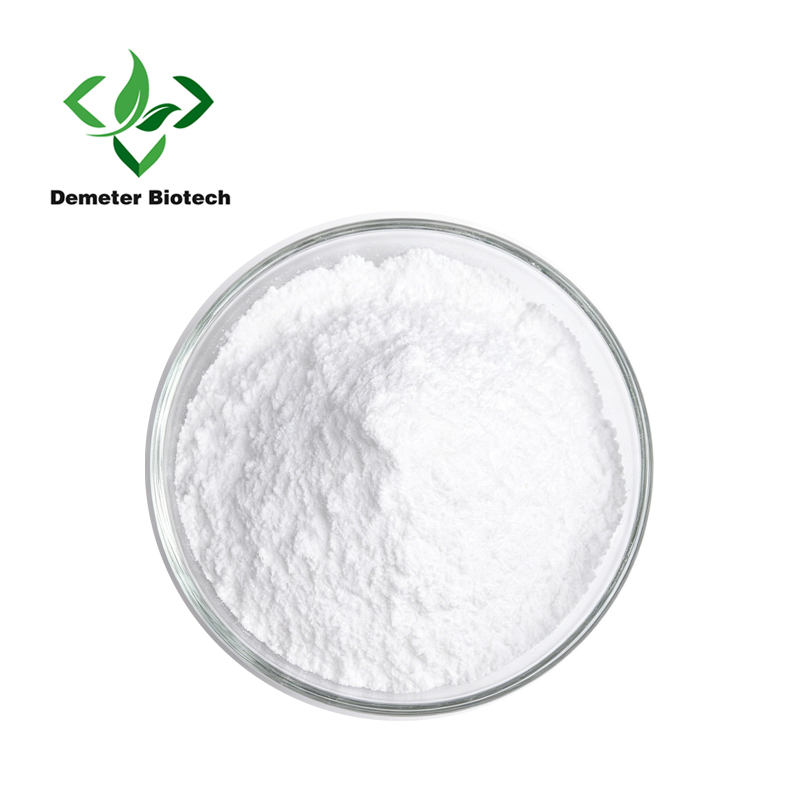
Cellulose ethers start with refined plant fibre, and this one carries both methyl and hydroxypropyl groups on the backbone. The E5 grade belongs to substitution type 2910: methoxyl measures 28–30%, hydroxypropoxyl 7–12%, and a 2% solution runs at 5 mPa·s at 20°C. It is a white powder that wets in cold water, thickens as it hydrates and sets into a gel when heated. Food legislation lists it as E464; cosmetic formulators use the same material for viscosity and film formation.
E464 Additive
5 mPa·s Grade
2910 Substitution
Product Specification
| Parameter | Detail |
|---|---|
| Product Name | HPMC E5 Powder / Hydroxypropyl Methylcellulose |
| Other Names | Hypromellose, hydroxypropyl methyl cellulose, E464 |
| CAS No. | 9004-65-3 |
| Substitution Type | Type 2910, methyl and hydroxypropyl substitution |
| Molecular Formula | Not applicable, since a cellulose ether polymer has no single formula |
| Viscosity | 5 mPa·s, measured in 2% aqueous solution at 20°C |
| Methoxyl Content | 28–30% |
| Hydroxypropoxyl Content | 7–12% |
| Appearance | White to off-white powder, free flowing |
| Solubility | Wets and disperses in cold water; a viscous solution forms on hydration |
| Thermal Gelation | Sets to a reversible gel at about 60°C, softening again as it cools |
| pH Stability | Viscosity is maintained from roughly pH 3 through pH 11 |
| Food Additive | E464 in the EU, permitted as thickener, stabiliser and emulsifier |
| Cosmetic Function | Builds viscosity, forms film and keeps particulates suspended |
| Grade | Food additive E464 and cosmetic raw material; the buyer confirms permitted use in their market |
| Certificates | ISO 9001 and HALAL; COA, MSDS and TDS accompany each consignment |
| Place of Origin | China, brand Demeter |
| Packaging | 25 kg fibre drum with PE liner, or a 500 g sample bag |
| MOQ & Sample | A 500 g sample is available; production quantities ship by the drum |
| Storage | Sealed and kept dry, away from moisture and direct heat |
Product Highlights

01
Five mPa·s Grade
A 2% solution at 20°C measures 5 mPa·s, the defining figure of grade E5.
02
2910 Substitution
Methoxyl of 28–30% and hydroxypropoxyl of 7–12% set the type apart.
03
Listed As E464
The EU register covers this cellulose ether as a thickener and stabiliser.
04
Hydrates In Cold Water
No heating is required to wet the powder and bring up its viscosity.
05
Clear, Flexible Film
Drying leaves a transparent film that holds a formulation in place.
06
Full Documentation
HALAL and ISO 9001 records sit with the COA, MSDS and TDS issued per lot.
Certificate of Analysis
Each release sheet fixes the viscosity reading at 20°C and prints the methoxyl and hydroxypropoxyl results together. The conditions are stated so a buyer can compare the figure with their own method.
| Test Item | Method | Specification | Result |
|---|---|---|---|
| Identity and Appearance | |||
| Appearance | Visual | White to off-white powder, free flowing | Complies |
| Substitution Type | Identification | Type 2910, methyl and hydroxypropyl substitution | Complies |
| Assay and Physical Properties | |||
| Viscosity | Viscometer, 2% aqueous at 20°C | 5 mPa·s | Complies |
| Methoxyl Content | Assay | 28–30% | Complies |
| Hydroxypropoxyl Content | Assay | 7–12% | Complies |
| Solubility | Visual check | Wets and disperses in cold water; a viscous solution forms on hydration | Complies |
Application Scenarios

Sauces and Dressings
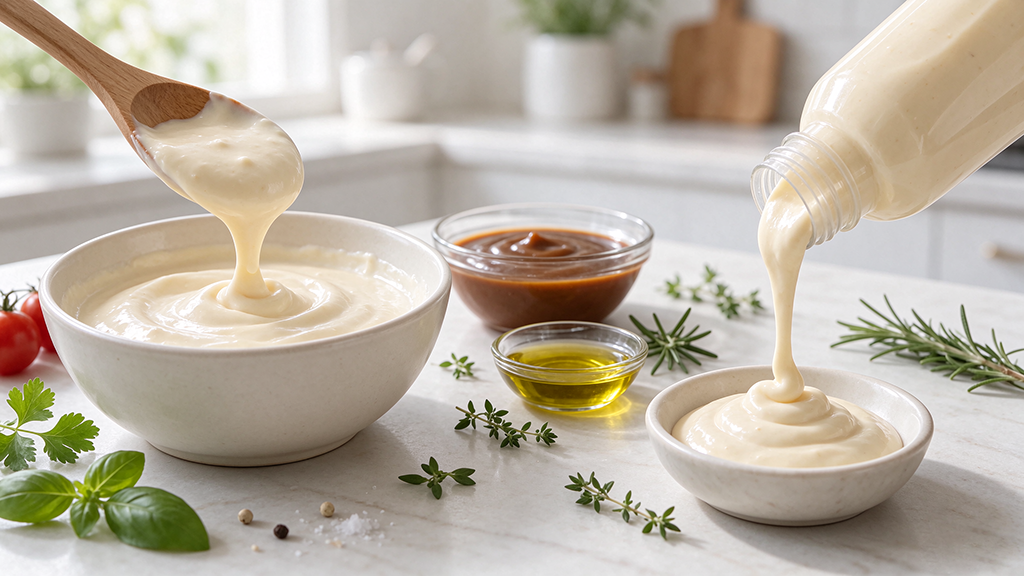
A little E464 brings body without changing the colour or flavour of the recipe.
Bakery and Plant-Based Lines
Binds free water and gives structure where gluten or dairy is absent.
Facial Creams and Lotions
Sets the water phase to a smooth texture that rubs in without tackiness.
Sheet Masks and Hair Gels
The film it leaves helps a formula stay where it was applied.
Cold-Process Formulating
Hydration happens in cold water, so no separate heating vessel is needed.
Supply Chain & Services


Questions About This Grade
-

High Absorption Liposomal Vitamin E Powder Alph...
-
High Purity Cosmetic Grade CAS NO 9067-32-7 So...
-

High Absorption Liposomal Vitamin B9 Powder Fol...
-

Cooling Agent 100% Pure Natural Menthol Crystal...
-

Pure Fermented Resveratrol Powder 99% CAS 501-3...
-

Food Grade High Absorption Liposomal Coenzyme Q...


