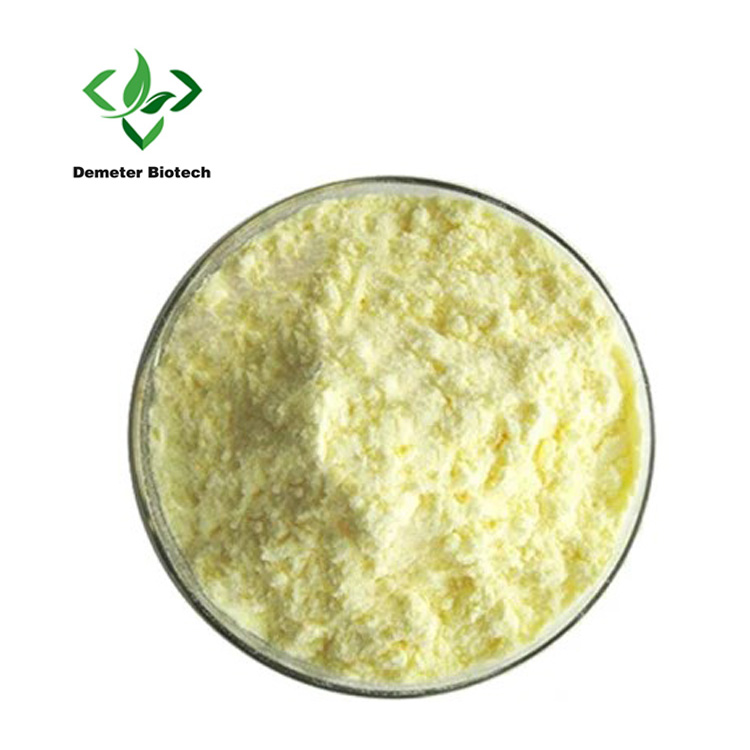
Beyond Antihistamines: The Value of Luteolin as a Natural Raw Material in Immune Balance and Allergy Management
Immune Balance Frontier 2026
Beyond Antihistamines: The Value of Luteolin as a Natural Raw Material in Immune Balance and Allergy Management
RAW MATERIAL INSIGHT | APRIL 21, 2026
As allergies, sensitivities, and histamine-related discomforts become increasingly common, the global health market is re-evaluating the role of natural raw materials in immune balance. In the past, consumers were more familiar with the concept of “temporary relief”; today, more brands and users are shifting their focus toward long-term management, daily homeostasis, and Clean Label formulations. Luteolin is one of the natural flavonoids entering the immune health spotlight within this context.
1. New Demands for Immune Balance
Allergy seasons, food-related discomforts, and environmental sensitivities are no longer the concerns of a few. For many consumers, nasal discomfort, skin reactions, post-meal distress, and daily sensitivities are actually rooted in the immune system’s response patterns.
While traditional antihistamine products help address short-term symptoms, the market now seeks milder, plant-based solutions suitable for long-term use. Luteolin has garnered attention not as a drug replacement, but as a botanical ingredient with a research-backed foundation for supporting immune homeostasis.
2. The Scientific Foundation of Luteolin
As a flavonoid compound, research on Luteolin primarily focuses on its antioxidant, anti-inflammatory, and immune-regulatory directions. Mast cells are pivotal immune cells; their over-activation triggers the release of histamine and various inflammatory mediators, amplifying sensitivity experiences.
Existing studies indicate that Luteolin can inhibit the release of histamine, leukotrienes, prostaglandins, and multiple inflammatory cytokines from human mast cells. Under certain experimental conditions, its inhibitory effect has even been shown to outperform sodium cromoglicate. These results provide strong research support for its application as a “Natural Mast Cell Stabilizer.”
3. From “Blocking” to “Stability”
The core difference between natural immune management and traditional antihistamine narratives is the emphasis on “stability” rather than “suppression.” Mast cells should play a defensive role in the immune system, but when they undergo excessive degranulation, it leads to histamine storms and the spread of inflammation.
The research value of Luteolin is reflected in its ability to influence this process from the upstream stages. Literature shows it is involved in regulating mast cell mediator release, calcium signaling processes, and inflammatory pathways, helping to maintain a more balanced immune response across multiple models. Therefore, the most appropriate product narrative is not “rapid allergy relief” but “helping maintain immune homeostasis.”
4. Typical Application Scenarios
At the application level, Luteolin is not limited to nasal sensitivity. The three primary scenarios include:
Respiratory Support
Ideal for individuals focusing on pollen seasons, pet dander exposure, and environmental irritants.
Skin Immune Management
Suitable for beauty-from-within formulas targeting eczema-like discomfort, hives, and post-stimulus maintenance.
Digestive Immune Balance
Effective for post-meal discomfort, histamine-related dietary management, and gut sensitivity products.
5. B2B Formulation Value
For brand owners, the value of Luteolin lies in its clear ingredient attributes, strong formulation versatility, and Clean Label friendliness. High-purity, low-impurity, plant-sourcedLuteolinis highly compatible with capsules, powders, ready-to-drink mixes, and liposomal delivery systems.
In terms of synergy, Luteolinis frequently discussed alongside Quercetin due to their complementary effects in mast cell stabilization and immune balance. For premium product development, such combinations build a more complete product language for “long-term management” than single-function ingredients.
6. Brand Positioning Recommendations
Luteolin is best defined as a “Natural Immune Balance Ingredient” rather than an “Antihistamine Alternative.” This phrasing is both more scientifically accurate and helps brands establish an image of professionalism, restraint, and long-termism. If a brand aims to enter the markets of seasonal allergies, sensitivity management, or histamine-related experiences, Luteolin can serve as the core ingredient in flagship products.