

Products


Food Grade Malt Powder Barley Malt Extract Powder for Bakers Brewers and Beverage Blenders
Food Grade Ingredient
Barley Malt Extract Powder
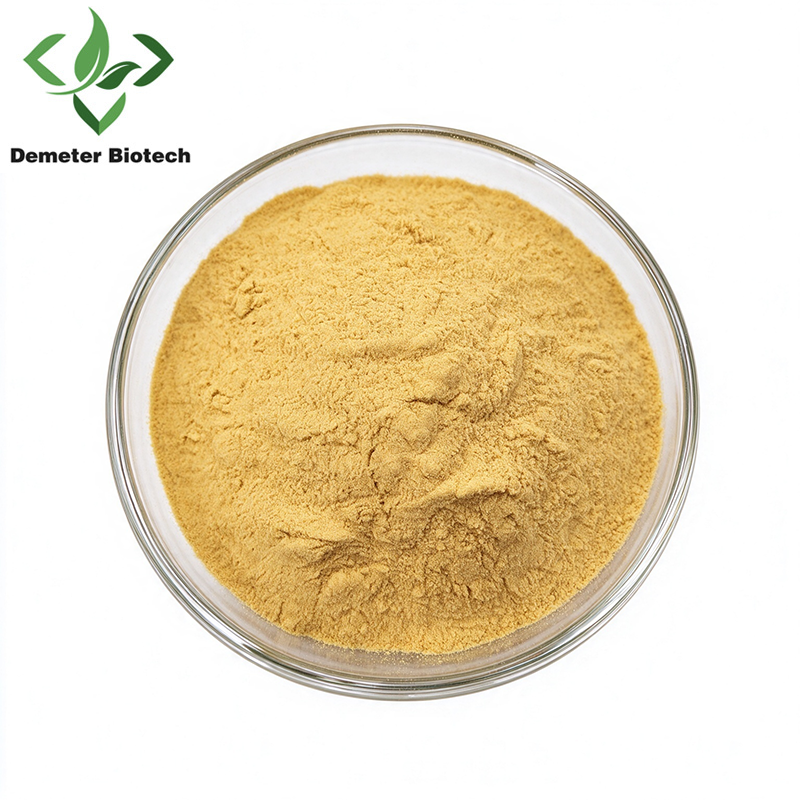
Begin with barley that has already been germinated. Mill it, hold it in warm water until its own enzymes turn starch into sugar, then filter, evaporate and dry whatever comes through. That is the entire product. A protease goes in at the saccharification step, which is why the solution runs clear and the protein load stays low. Nothing is added afterwards, so the sugars, the colour and the malty nose all come from the grain.
CAS 8002-48-0
25 kg Bag
1 kg Sample
Product Specification
| Parameter | Detail |
|---|---|
| Product Name | Malt Extract Powder (Barley Malt Extract) |
| Botanical Name | Hordeum vulgare L., germinated grain |
| CAS Number | 8002-48-0 |
| EINECS No. | 232-310-9 |
| HS Code | 19019099 |
| Molecular Formula | None — the extract is multi-component, not a single compound |
| Regulatory Status | GRAS per 21 CFR 184.1445; sold as an ordinary food ingredient in Europe |
| Process | Milled malt, saccharified, filtered, concentrated and dried |
| Processing Aid | Protease added at the saccharification stage (processing aid) |
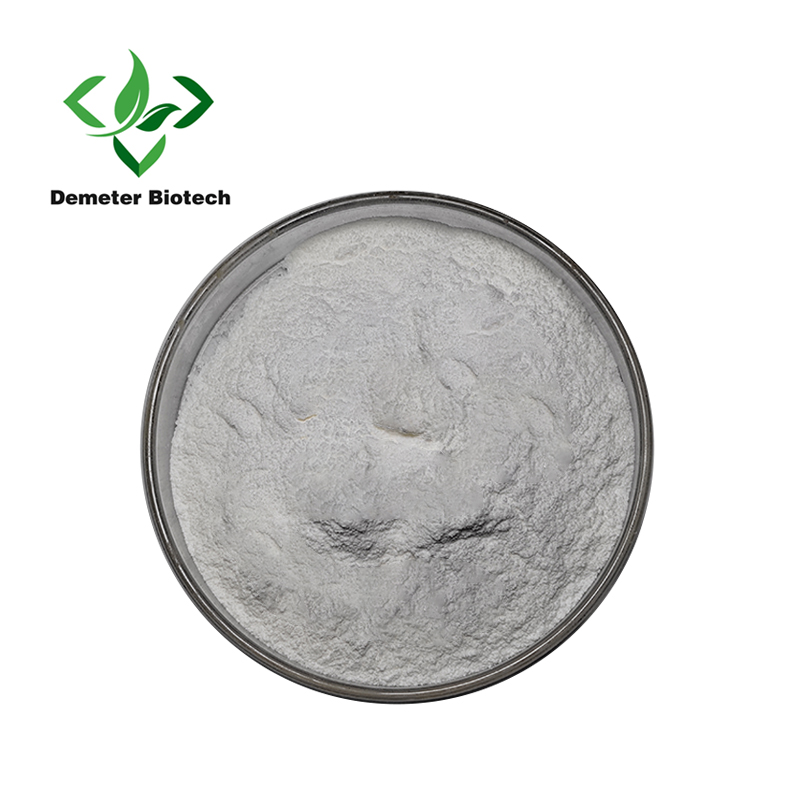
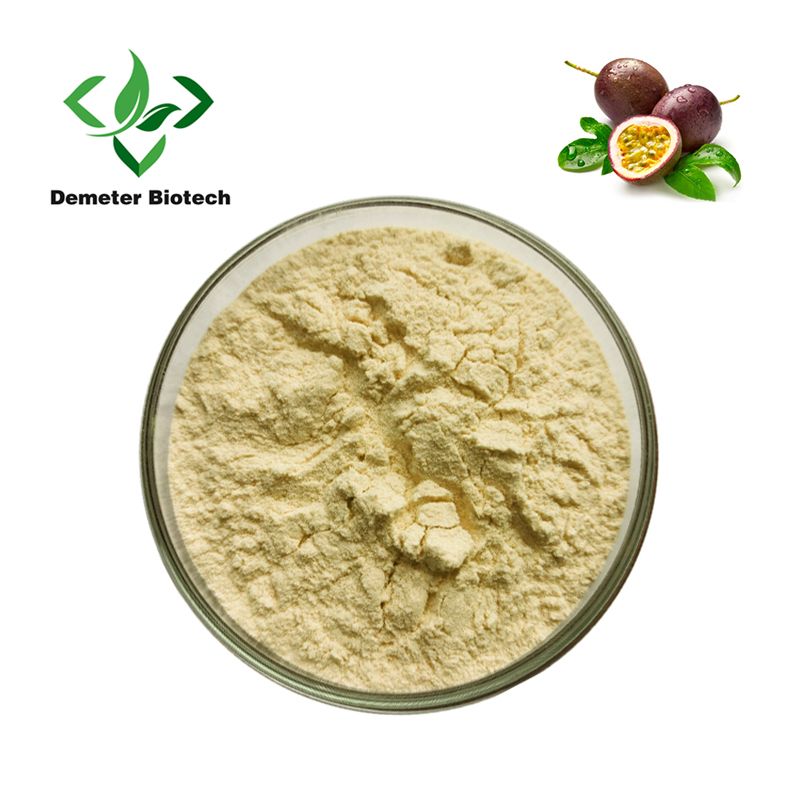
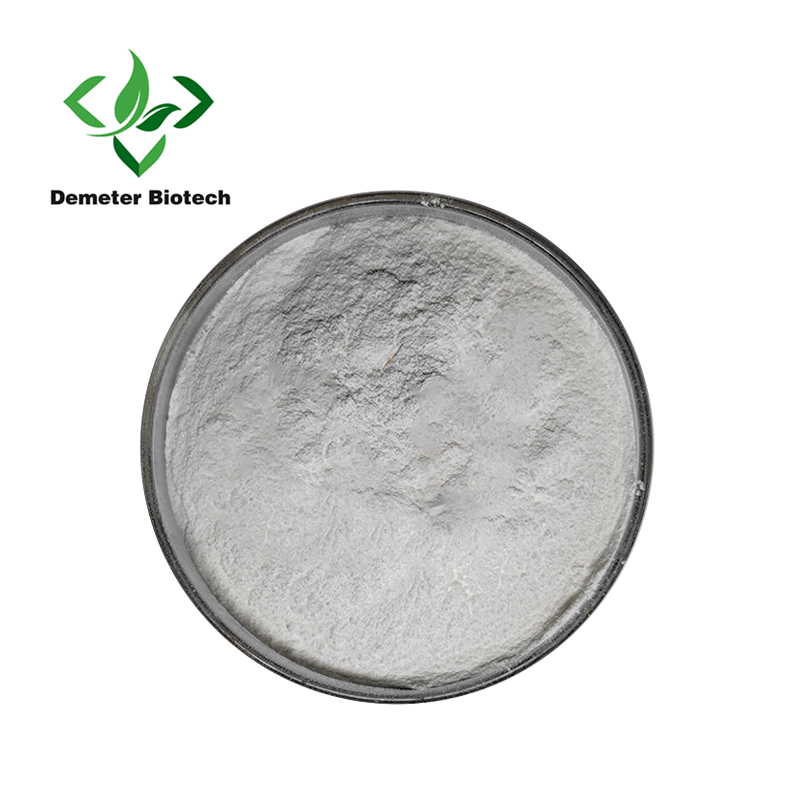
| Appearance | Light yellow to light brown, free-flowing |
| Solubility | Dissolves completely in water |
| Diastatic Activity | Standard grade is non-diastatic; diastatic offered to order |
| Moisture | 5.0% max |
| Ash | 2.5% max |
| pH | 4.5 to 6.5 measured at 10% solids |
| Particle Size | 80 mesh standard; other screens to order |
| Allergen | Gluten-positive from barley; not listed among the Annex II exemptions |
| Heavy Metals | Pb 2.0 / As 1.0 / Cd 1.0 / Hg 0.1 ppm max, tested on every lot |
| Microbiology | TPC 10,000 cfu/g max; Yeast & Mould 100 max; Salmonella absent in 25 g; E. coli absent per g |
| Packaging | 25 kg paper bag, PE liner inside; 1 kg foil bags for sampling |
| Storage | Keep closed under 25 °C, dry and dark |
| Certificates | ISO 9001, HACCP, Kosher and Halal papers supplied on request |

What Sets This Lot Apart
01
One Grain In, One Powder Out
Malted barley goes through the line and powder comes off it. One raw material, one route, and no starch hydrolysis step.
02
Clearer in Solution
The protease step is the reason drinks and brews stay free of haze after packing.
03
A Processing Aid, Not an Ingredient
The protease does its work during saccharification and is not carried into your ingredient list.
04
Colour You Can Plan Around
A light amber band keeps bakery runs and beverage batches lined up with each other.
05
Label Paperwork Ready
A gluten declaration is prepared for EU, UK, US and Australian label reviews.
06
Trial Before Bulk
1 kg foil bags let you run a bench batch before the first pallet is booked.
Certificate of Analysis
| Test Item | Method | Specification | Result |
|---|---|---|---|
| Physical & Chemical | |||
| Appearance | Visual | Light yellow to light brown powder | Complies |
| Odour & Taste | Organoleptic | Characteristic malty | Complies |
| Moisture | GB 5009.3 | 5.0% max | Complies |
| Ash | GB 5009.4 | 2.5% max | Complies |
| pH (10% solution) | GB/T 20885 | 4.5 to 6.5 | Complies |
| Particle Size | 80 mesh screen | 80 mesh standard | Complies |
| Diastatic Activity | Enzymatic | Non-diastatic | Complies |
| Contaminants | |||
| Lead (Pb) | ICP-MS | 2.0 ppm max | Complies |
| Arsenic (As) | ICP-MS | 1.0 ppm max | Complies |
| Cadmium (Cd) | ICP-MS | 1.0 ppm max | Complies |
| Mercury (Hg) | ICP-MS | 0.1 ppm max | Complies |
| Microbiology | |||
| Total Plate Count | GB 4789.2 | 10,000 cfu/g max | Complies |
| Yeast & Mould | GB 4789.15 | 100 cfu/g max | Complies |
| E. coli | GB 4789.3 | Absent per g | Complies |
| Salmonella | GB 4789.4 | Absent in 25 g | Complies |
| Labelling | |||
| Gluten | ELISA | Positive — barley origin | Declared |
How It Performs in a Recipe
Feeding the Ferment
The sugars in the extract are available to yeast straight away, so a dough or a wort starts working without an extra sugar addition on the sheet.
Colour and Crust
Reducing sugars react with free amino acids in the oven. That reaction builds crust colour and toasted notes that plain sucrose will not deliver.
Building the Flavour
The extract carries the aroma compounds formed during kilning. It rounds out a malt note in drinks, confectionery and coated cereals.
Texture and Moisture
In baked goods it holds water and slows staling. In soft candy it keeps sugar from crystallising, which protects the bite through shelf life.
Where Blenders Put It
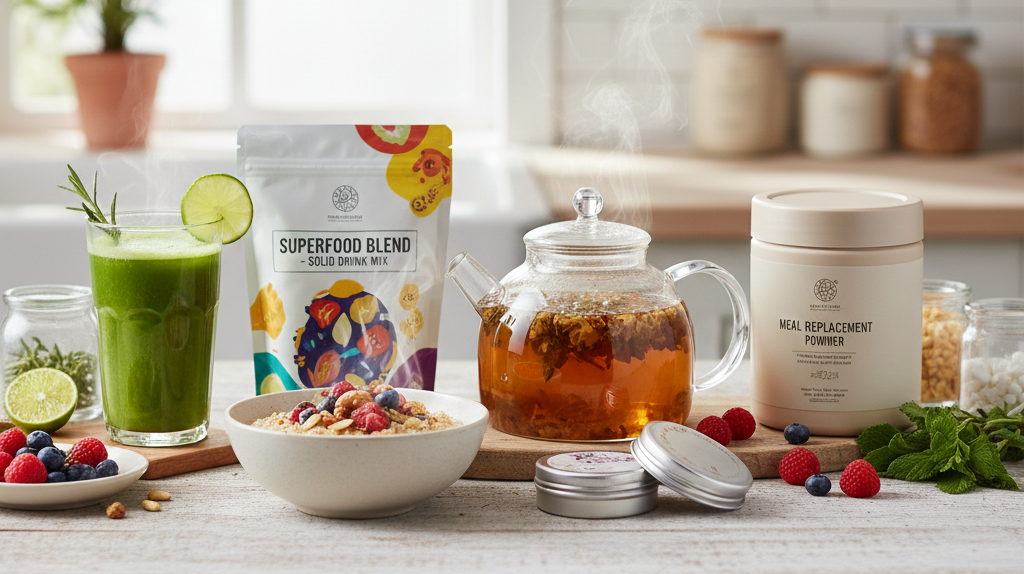

Bread, Crackers and Malt Loaf
Added at roughly 1 to 5% of flour weight. More gives a deeper crust; less keeps the crumb pale.
Malted Milk and Cocoa Drinks
Spooned straight into a dry blend. Full solubility means no lumping and no separate dispersion stage on the line.
Beer, Stout and Distilling Wash
Lifts gravity and adds malt character while leaving the mash schedule untouched, since the standard grade carries no live amylase.
Candy, Nougat and Malt Balls
Contributes colour and a rounded malt sweetness, and holds back crystallisation in soft centres.
Granola, Bars and Cereal Coating
Works as a binder and a flavour carrier in clusters and coatings, and helps the finished piece stay crisp.