


Products


Cosmetic Grade Willowherb Extract 10:1 Epilobium Angustifolium Extract Powder
Botanical Extract 10:1
Natural Willowherb Extract 10:1
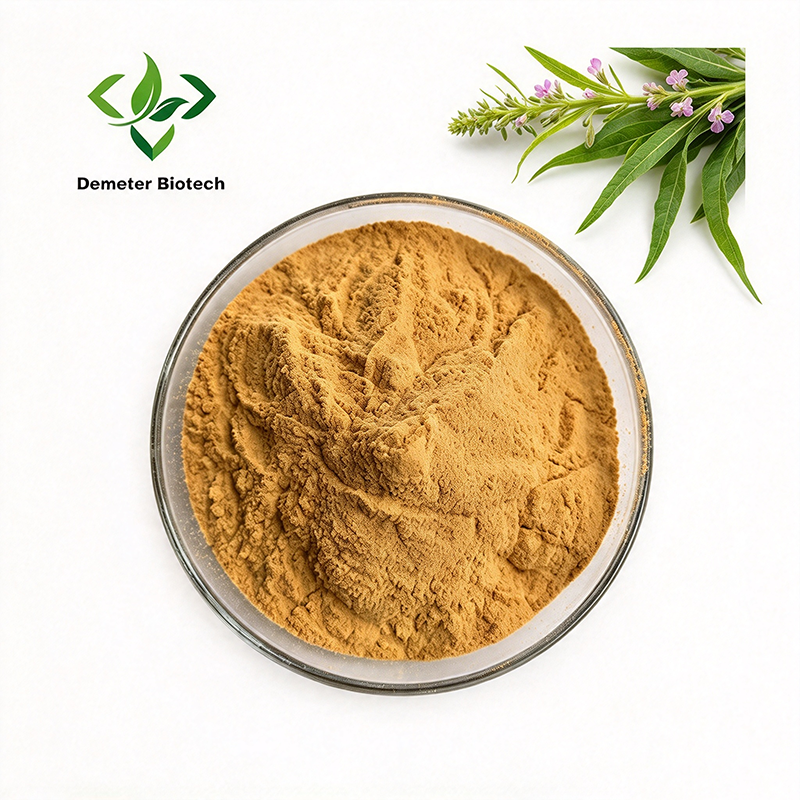
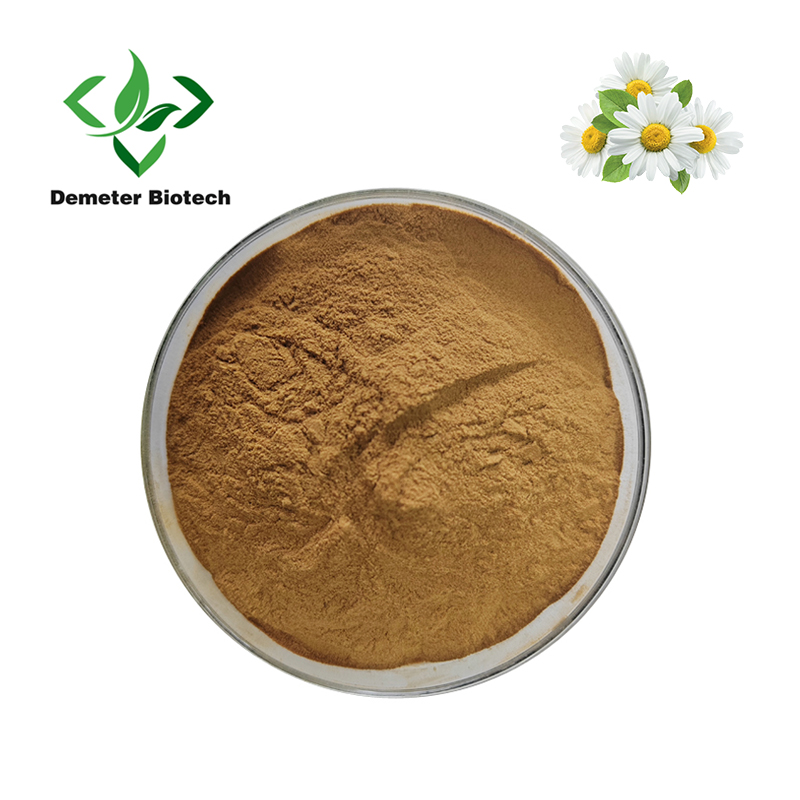
Fireweed, rosebay willowherb, great willowherb, Chamaenerion angustifolium — the plant has collected names across three continents, and the extract we ship is drawn from its whole aerial herb. We build the grade at a 10:1 herb-to-extract basis and verify species identity by TLC, because this corner of the trade is full of material that is really willow bark. The polyphenol fraction centres on oenothein B, a macrocyclic ellagitannin with no relationship to salicin. Expect a fine yellowish-brown powder, 99% through 80 mesh, that dissolves in aqueous ethanol.
TLC Identified
Free Sample
Product Specification
| Parameter | Detail |
|---|---|
| Product Name | Willowherb Extract 10:1 |
| Botanical Name | Chamaenerion angustifolium (L.) Scop. [syn. Epilobium angustifolium L.] |
| Family | Onagraceae |
| Plant Part | Whole herb (aerial parts) |
| Extraction Ratio | 10:1 — 5:1 and 20:1 also supplied, so name the ratio when ordering |
| Identification | TLC, run against botanical reference material |
| Assay | Ratio product — no fixed percentage; we quote marker content for a given lot when asked |
| Extract CAS Number | 90028-31-2 |
| EINECS No. | 289-821-5 |
| INCI Name | Epilobium Angustifolium Extract |
| Marker Chemistry | Oenothein B, a dimeric macrocyclic ellagitannin — CAS 104987-36-2, C68H48O44, MW 1569.08; content is not standardized at this grade |
| Appearance | Yellowish-brown, finely ground powder |
| Solubility | Dissolves in aqueous ethanol; disperses in plain water |
| Bulk Density | 35–55 g/100 mL |
| Particle Size | 99% min passing 80 mesh |
| Loss on Drying | 5.0% max |
| Total Ash | 5.0% max |
| Extraction Solvent | Ethanol and water |
| Heavy Metals (ICP-MS) | Pb ≤3.0 / As ≤2.0 / Cd ≤1.0 / Hg ≤0.2 ppm — figures released for each batch |
| Microbiology | TPC 1000 cfu/g max; Yeast & Mould 100 cfu/g max; Salmonella absent/25g; E. coli absent/g |
| Package | 25 kg fibre drum with double LDPE liner; 1 kg foil bags for trials |
| Storage | Keep sealed below 25 °C, out of light and humidity |
| Shelf Life | 24 months, drum left unopened |
| Origin | Shaanxi, China (Xi’an) |

Key Highlights
01
02
03
04
05
06
Certificate of Analysis
| Test Item | Specification | Result | Method |
|---|---|---|---|
| Identification | Positive against reference | Complies | TLC |
| Appearance | Yellowish-brown powder | Complies | Visual |
| Extraction Ratio | 10:1 | Complies | Batch record |
| Oenothein B Content | Not standardized at this grade | Reported per lot | HPLC |
| Loss on Drying | 5.0% max | Complies | USP<731> |
| Total Ash | 5.0% max | Complies | USP<561> |
| Bulk Density | 35–55 g/100 mL | Complies | ASTM D1895B |
| Particle Size | 99% min through 80 mesh | Complies | Sieve |
| Lead (Pb) | 3.0 ppm max | Complies | ICP-MS |
| Arsenic (As) | 2.0 ppm max | Complies | ICP-MS |
| Cadmium (Cd) | 1.0 ppm max | Complies | ICP-MS |
| Mercury (Hg) | 0.2 ppm max | Complies | ICP-MS |
| Total Plate Count | 1000 cfu/g max | Complies | USP<61> |
| Yeast & Mould | 100 cfu/g max | Complies | USP<62> |
| E. coli | Absent / g | Complies | USP<62> |
| Salmonella | Absent / 25 g | Complies | USP<62> |
Function & Formulation Fit
Leave-On Skin Formats
Carries a botanical polyphenol fraction into serums and creams, usually well under one percent of the formula.
Scalp & Hair Systems
Suits tonics and shampoos already built on water and ethanol, where the extract needs no extra carrier.
Dry Powder Matrices
An 80 mesh grain that spreads through blends evenly and resists settling during transport.
Supplement Bases
Goes into capsule and sachet blends as one botanical component, subject to the rules of the target market.
Application Fields
Serums & Creams
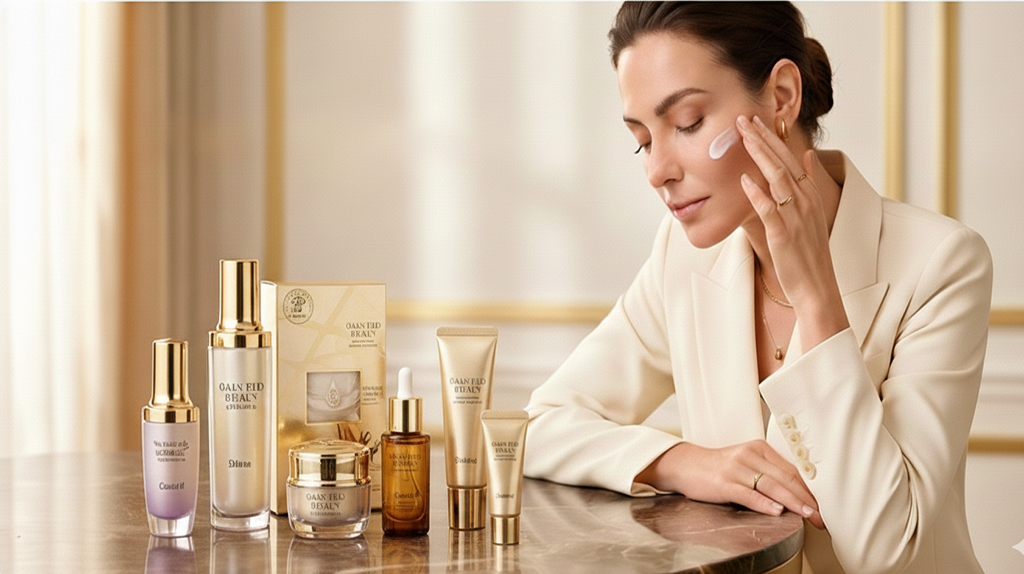
Leave-on emulsions that want a plant-derived polyphenol component with a clean INCI name.
Scalp & Hair Formulas
Tonics and shampoos where a hydro-alcoholic extract drops straight into the existing base.
Cleansers & Washes
Wash-off systems that can carry a coloured botanical without shifting viscosity.
Loose & Pressed Powders
Fits dry-mix formats at inclusion rates low enough to leave texture unaffected.
Supplement Blends
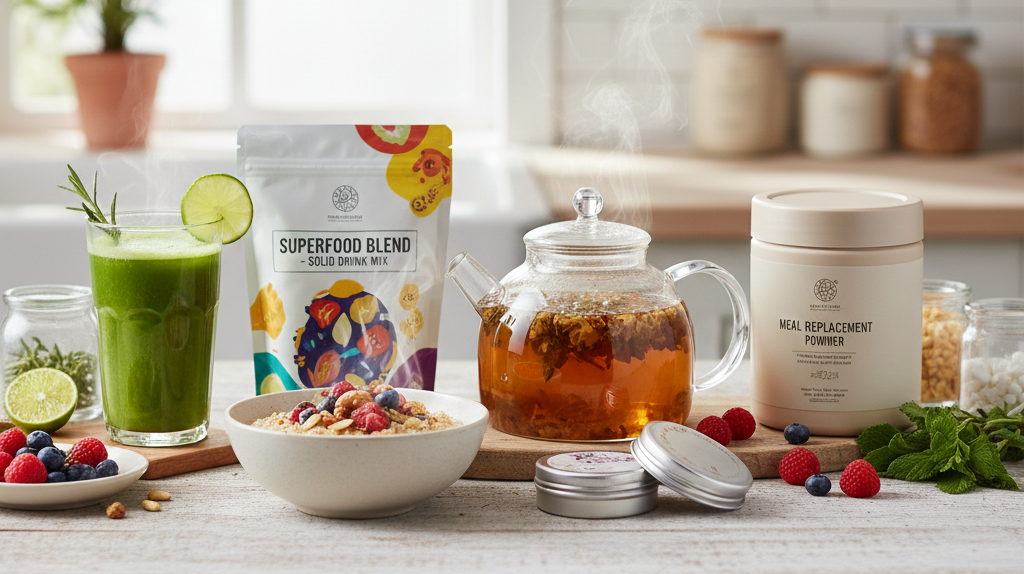
Botanical base for dietary supplement formulas; the destination market sets the permitted route.
Supply Chain & Services


Buyer Questions Answered
-

Supply Yellow Peach Organic Freeze Dried Fruit ...
-

Raw Material Xanthohumol 5% Powder Natural Humu...
-

Wholesale Bulk Price Escin Horse Chestnut Extra...
-

High Quality French Pine Bark Extract Powder Pr...
-

Pure Natural 100% Organic Taro Powder Taro Flav...
-
Top Quality Apigenin Chamomile Extract Powder 4...


