


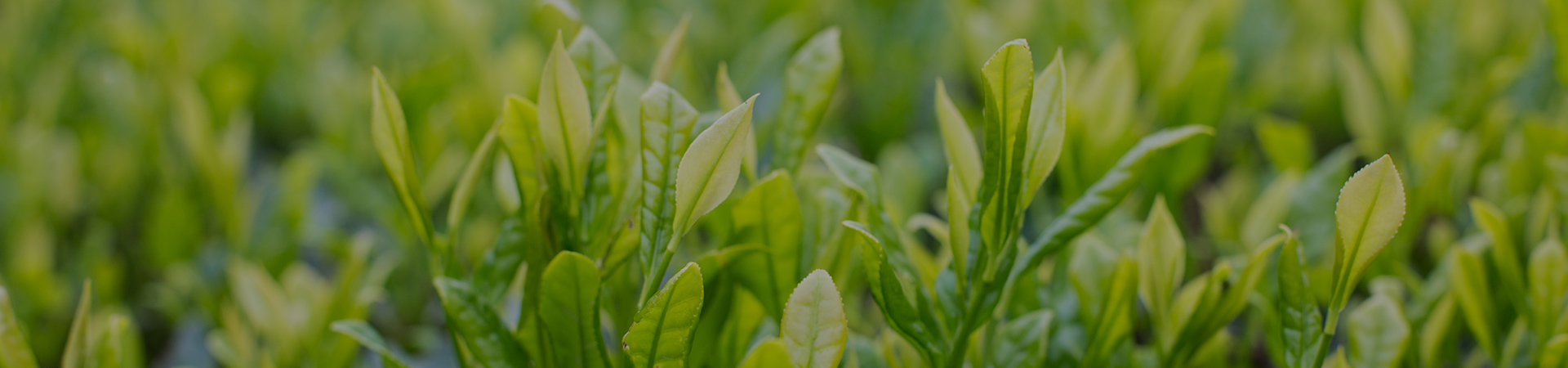
Barley grass: A natural superfood for global health
Barley grass is mainly presented in two product forms: barley grass powder and barley grass juice powder. Barley grass powder is made by drying and grinding whole young barley leaves, retaining all the nutrients in the leaves, including dietary fiber. Barley grass juice powder is made by squeezing fresh barley grass to extract juice, then drying and concentrating it, removing the indigestible fiber, making the nutrients more concentrated and easier for the body to absorb. In addition, barley grass powder can also be processed into different mesh sizes according to different fineness requirements, such as 80 mesh, 200 mesh and 500 mesh, to meet different application needs and consumer preferences. The mesh size refers to the number of holes per inch of the screen. The higher the value, the finer the powder.


High-quality barley grass powder
The production process of barley grass powder usually includes the following steps: First, it is harvested when the nutritional value reaches its peak, which is usually done in spring or early summer when the young leaves are most lush. Harvesting can be done manually or mechanically. The harvested barley grass is then washed thoroughly with pure water to remove any dirt and impurities. Next comes the drying process, and the choice of drying method is crucial to the nutritional content of the final product:
· Hot air drying: This is a common drying method that circulates heated air through the barley grass to reduce its moisture content. This method is efficient and relatively low cost, but high temperatures may cause degradation of some heat-sensitive nutrients (such as vitamins and enzymes).
· Freeze drying: This method first freezes the barley grass and then removes the moisture under a vacuum environment. Freeze drying can maximize the retention of nutrients in the barley grass, including volatile compounds, as well as its original color and flavor. Although it has the best quality, freeze drying is usually more expensive and takes longer.
· Low temperature drying: Some producers use specific low temperature drying technology to dry below a specific temperature (for example, 40°C or 60°C) to minimize nutrient loss and maintain the "green" characteristics of the barley grass as much as possible.
The dried barley grass will be ground by special equipment until it reaches a fine powder state. The powder will be screened by using screens with different meshes to ensure the uniformity of particle size for easy consumption and subsequent application. If organic farming is adopted, more attention will be paid to avoiding the use of pesticides and synthetic fertilizers to ensure the purity and naturalness of the product.
High-quality barley grass juice powder
The production of high-quality barley grass juice powder first requires the extraction of juice from fresh barley grass, which usually includes washing the seedlings and then separating the juice from the fibrous plant tissue by pressing or other means. The extracted juice is then dried. Common drying methods include:
·Spray drying: This is an efficient drying method that atomizes the extracted juice into fine droplets and then contacts them rapidly with a controlled warm air flow. Carriers such as maltodextrin or rice flour are usually used to help form the powder and prevent agglomeration. The final result is a fine and water-soluble powder that is very suitable for preparing beverages.
·Freeze drying: Similar to barley grass powder, barley grass juice can also be processed by freeze drying. The juice is first frozen, then the water is removed under high vacuum and cryogenic conditions. This method is considered the best way to preserve the heat-sensitive nutrients, enzymes, and antioxidants in fresh barley grass juice, resulting in a very high-quality product.
Compared to whole barley grass powder, barley grass juice powder has many advantages, such as being easier to digest because the fiber has been removed; the bioavailability of certain vitamins, minerals, and enzymes may be higher; and it generally contains a higher concentration of nutrients per serving. While whole barley grass powder contains dietary fiber, barley grass juice powder is generally more concentrated in most micronutrients.
Unlock multiple applications
The mesh size of barley grass powder is directly related to the fineness of the powder, which in turn affects its texture, solubility, and suitability for different applications.
80 mesh: This relatively coarse powder is suitable for general nutritional supplementation and can be mixed into thicker beverages such as smoothies and milkshakes. It is also often used as a base ingredient in food formulations due to its cost-effectiveness.
200 mesh: This is a finer powder with better solubility, ideal for mixing into drinks such as juice, water and thinner smoothies. It is also suitable for nutritional supplements that require good dispersibility and has applications in certain cosmetic applications such as facial masks or mild exfoliants.
500 mesh: This is an ultra-fine powder with excellent solubility and a very smooth texture, making it ideal for high-end instant green drinks, professional supplements that require optimal absorption, and cosmetics that require a silky texture such as fine facial powders or skin care products.

Conclusion
Our barley grass powder and barley grass juice powder stand out for their superior quality, rich nutritional value, wide range of applications, and choice of different mesh sizes to meet a variety of needs. We are committed to being your trusted partner to provide you with the highest quality barley grass products through sustainable practices, strict quality control and adherence to international standards.
- Alice Wang
- Whatsapp: +86 133 7928 9277
- Email: info@demeterherb.com
Post time: Jul-08-2025


