



Liposomal Ingredients | High Absorption Series | Demeter Biotech
Three Obstacles Between Your Formula and the Bloodstream
Most high-value nutraceutical actives fail for the same reasons. Understanding which one applies to your ingredient is the first step in specifying the right delivery format.
- 1
Poor aqueous solubility
Lipophilic molecules such as CoQ10, curcuminoids and resveratrol barely disperse in the gut, so only a fraction is available for absorption at all.
- 2
Chemical fragility in the stomach
Glutathione oxidises, vitamin C degrades under heat and light, and some actives hydrolyse in gastric acid before they ever reach the intestine.
- 3
Transport saturation and first-pass clearance
Vitamin C uptake is capped by sodium-dependent transporters; curcuminoids are rapidly conjugated and cleared. Raising the dose stops helping.
Representative values compiled from published literature on unformulated actives. Indicative only — not a product-specific claim. Liposomal encapsulation is one of several formulation strategies used to address low bioavailability.
From Raw Active to Cellular Uptake in Five Steps
A phospholipid bilayer structured like a human cell membrane carries the payload through the barriers that stop a conventional powder.
High-Pressure Homogenisation
The active and food-grade phospholipids are processed into nanoscale bilayer vesicles.
Precision Spray Drying
The liquid dispersion becomes a free-flowing powder with controlled granule size (D50 ~12–18 μm).
Rehydration on Use
In aqueous media the granules release intact liposome spheres in the 80–300 nm range.
Protection in Transit
The bilayer shields the payload from gastric acid, oxidation and enzymatic breakdown.
Lymphatic Uptake
Vesicles are absorbed through lymphatic pathways, bypassing part of first-pass metabolism.
This section describes liposomal delivery science in general terms. It is not a claim of specific clinical outcomes for any individual ingredient.
Loading and Encapsulation Are Not the Same Thing
Confusing them is the most common — and most expensive — mistake in liposomal procurement.
Active Loading
active weight ÷ total powder weight
How much real active sits in the powder; the rest is phospholipid carrier. Our standard grades are 50%, 70% and — for selected actives — 90%. Higher loading means less carrier per dose.
Encapsulation Efficiency
encapsulated active ÷ total active
Of the active present, how much is genuinely inside the vesicle rather than free on the outside. Our series verifies ≥ 90–92% by centrifugation and HPLC. Low EE% means you are paying for unencapsulated powder.
Raw Material Purity
purity before encapsulation
The purity of the active itself, prior to processing — for example NMN at ≥ 99.5%. This is a third figure, independent of the other two, and should appear separately on the COA.
Arithmetic example: powder required to deliver 250 mg of active ingredient. Higher loading reduces the carrier volume per effective dose — which is what determines cost-in-use, not price per kilogram.
Verified Parameters for the Flagship Grades
Every figure below is generated by batch testing and reported on the COA. Specifications for the wider portfolio are available on request.
| Product | Active Loading | Encapsulation Efficiency | Vesicle Size (rehydrated) | Particle Distribution | Phospholipid Source | Shelf Life |
|---|---|---|---|---|---|---|
| Liposomal Coenzyme Q10 | 50% / 70% / 90% | ≥ 92% | 80–120 nm (DLS) | PDI ≤ 0.25 | Non-GMO sunflower | 24 months |
| Liposomal Glutathione | 50% / 70% / 90% | ≥ 90% | 100–300 nm | Span 2.307 (D50 12.2 μm) | Food-grade lecithin | 24 months |
| Liposomal NMN | 50% / 70% | ≥ 92% | 100–250 nm | Span 1.450 (D50 16.9 μm) | Food-grade lecithin | 24 months |
| Liposomal Curcumin | 50% / 70% | ≥ 90% | 100–300 nm | Span 5.284 (D50 17.5 μm) | Food-grade lecithin | 24 months |
| Liposomal Vitamin C | 50% / 70% | ≥ 90% | 100–300 nm (DLS) | PDI ≤ 0.3 | Non-GMO sunflower / soy | 24 months |
Flagship Grades With Full Test Reports
These five carry complete particle-size and encapsulation documentation — Malvern Mastersizer granule analysis, DLS vesicle sizing, HPLC assay and EE% verification.
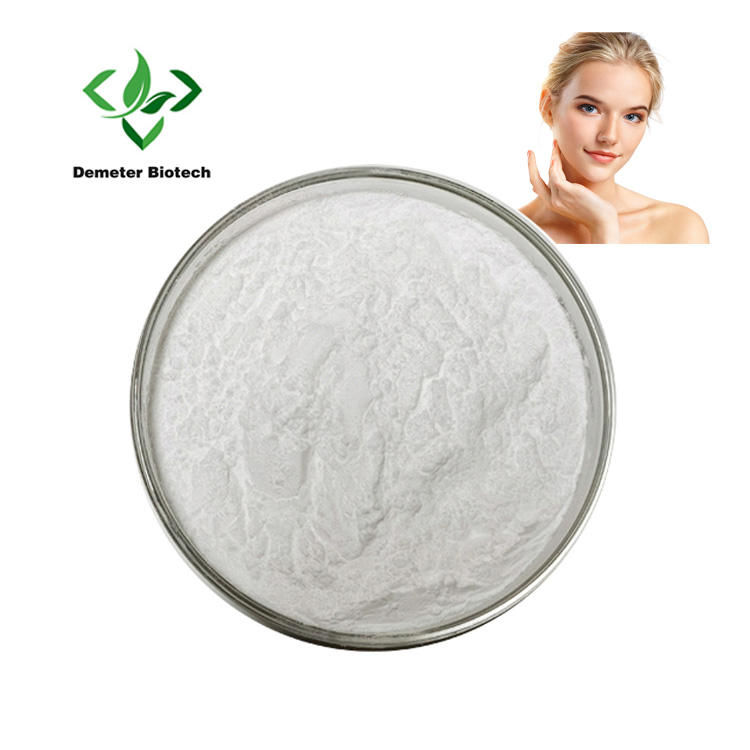
Liposomal NMN
50% / 70% Loading
NAD+ precursor shielded from gastric degradation. Substrate purity ≥ 99.5% verified by HPLC.
View Product →
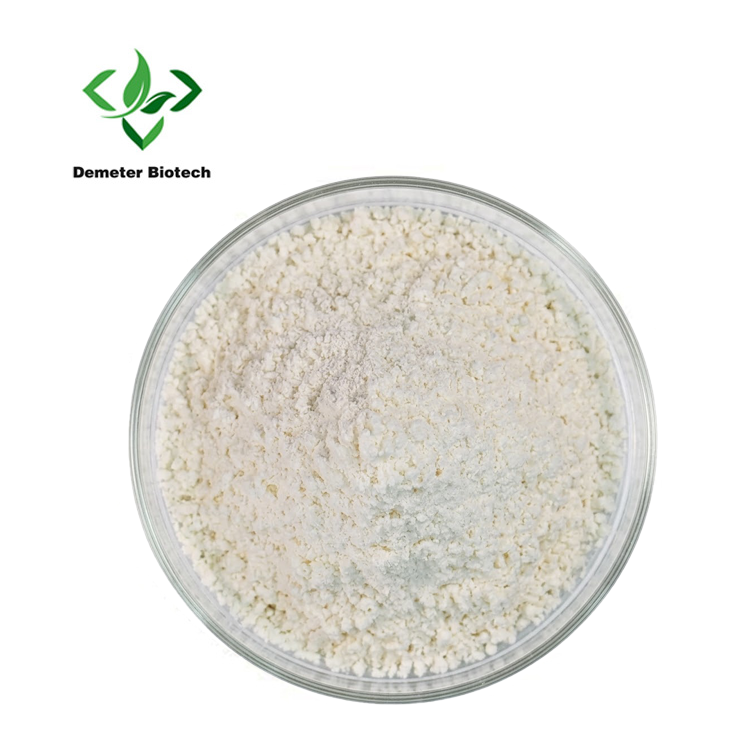
Liposomal Glutathione (Reduced)
50% / 70% / 90% Loading
Protects the active thiol group, preserves the reduced state and traps sulfurous aroma inside the vesicle.
View Product →
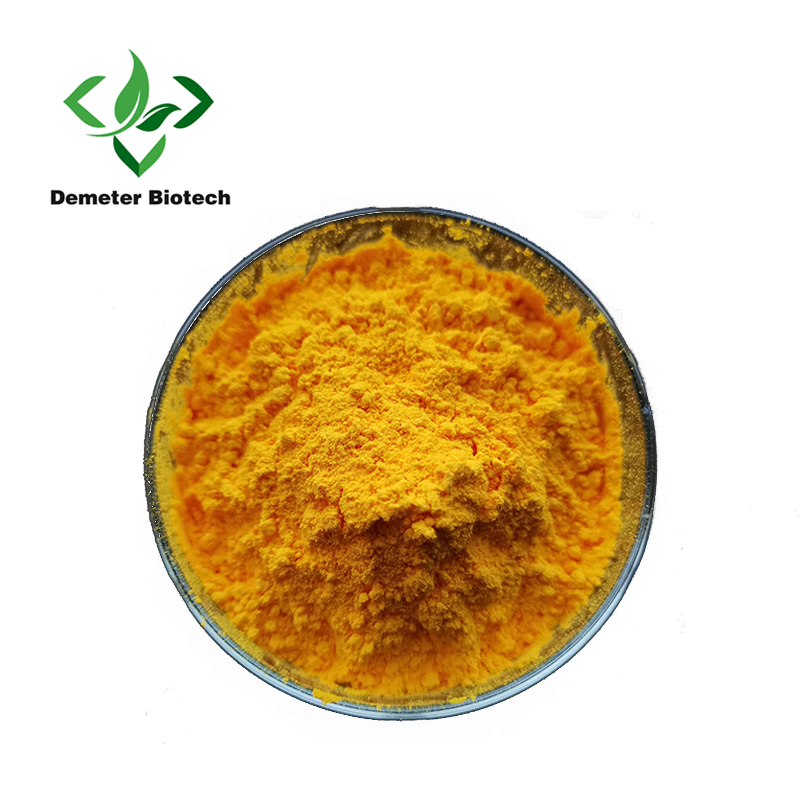
Liposomal Coenzyme Q10
50% / 70% / 90% Loading
Non-GMO sunflower lecithin, PDI ≤ 0.25. The tightest size distribution in the series.
View Product →
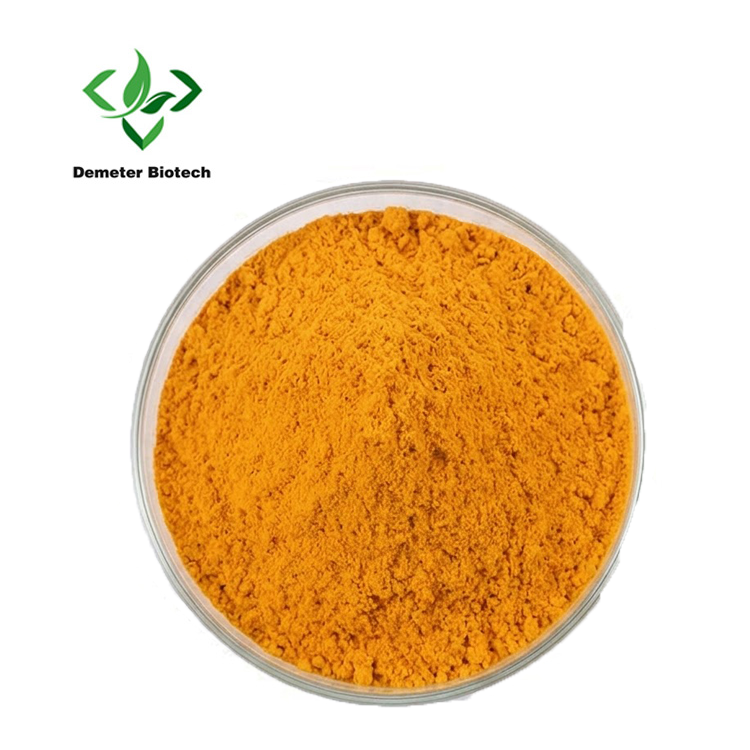
Liposomal Curcumin
50% / 70% Loading
Turns a hydrophobic pigment into a dispersible emulsion. No synthetic emulsifiers or surfactants.
View Product →
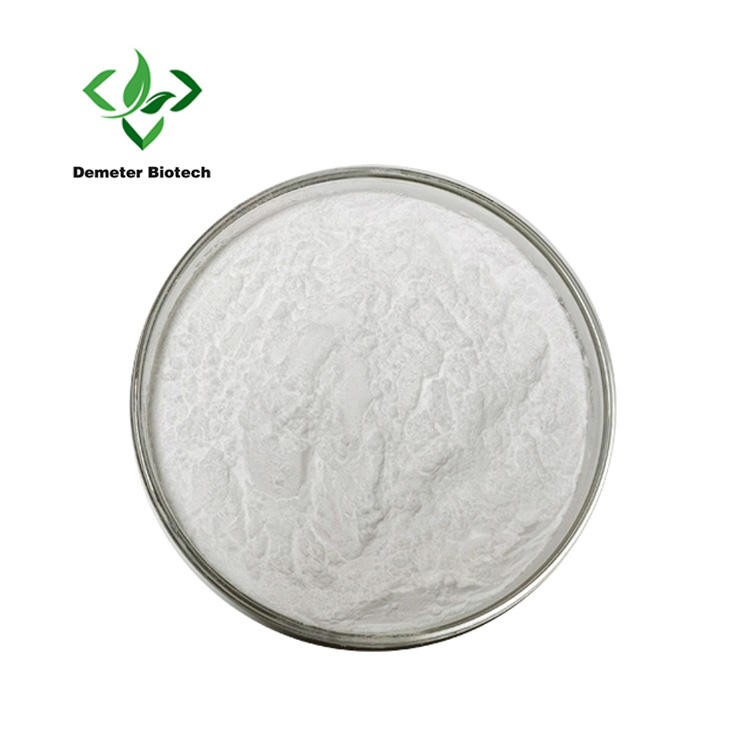
Liposomal Vitamin C
50% / 70% Loading
Non-acidic delivery that bypasses the saturation limit of sodium-dependent vitamin C transporters.
View Product →
The Series by Application Category
Fifteen representative grades across seven categories — from NAD+ precursors to botanical extracts and everyday micronutrients.
Longevity & NAD+ Support
NMN, NR, PQQ and senolytic actives for healthy-aging formulations.
Antioxidant & Detox
Master-antioxidant and glutathione-precursor actives.
Cellular Energy & Cardiovascular
Mitochondrial and cardiometabolic support ingredients.
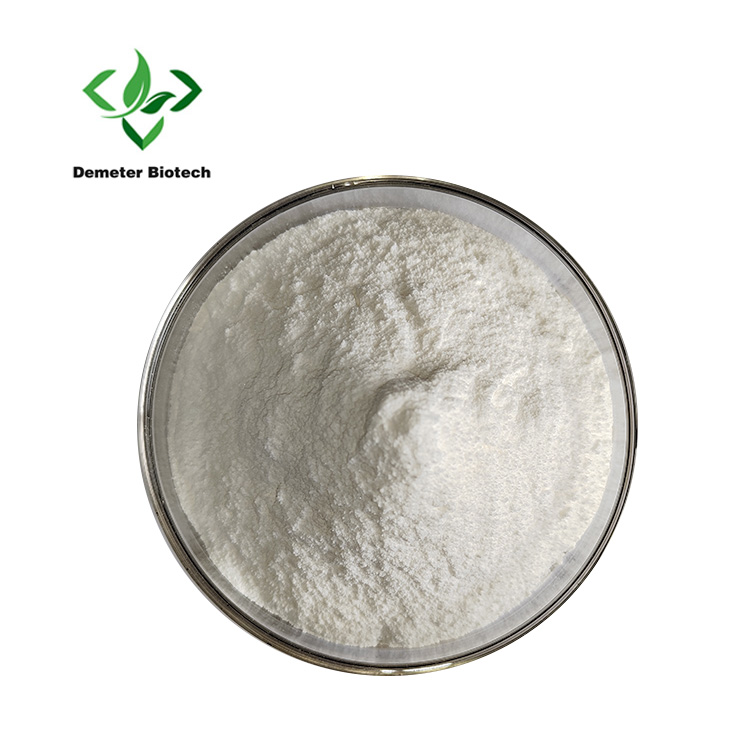
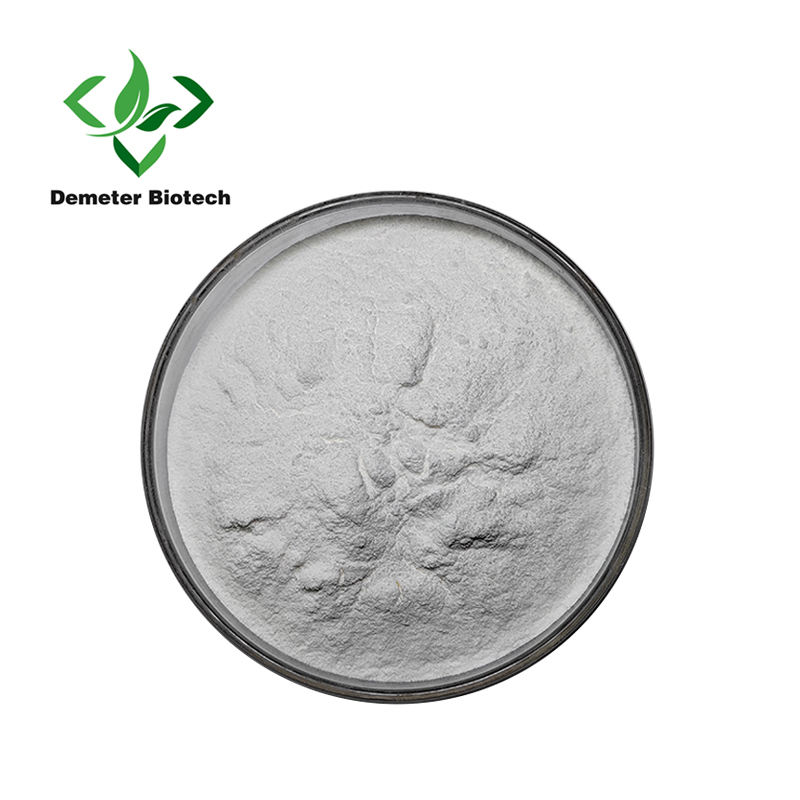
Anti-Inflammatory & Metabolic
Botanical actives for inflammatory balance and metabolic health.
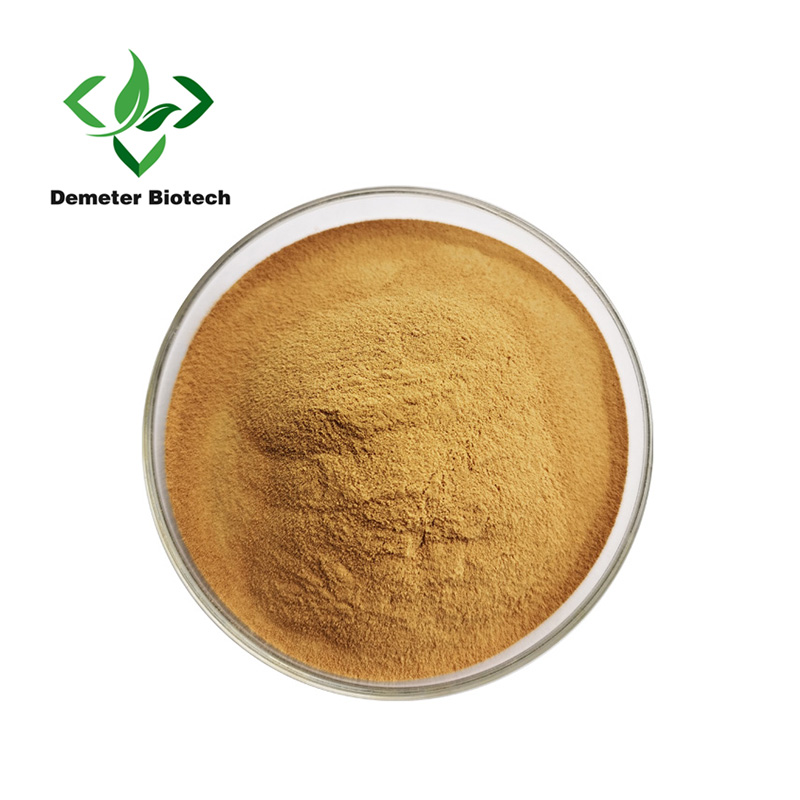
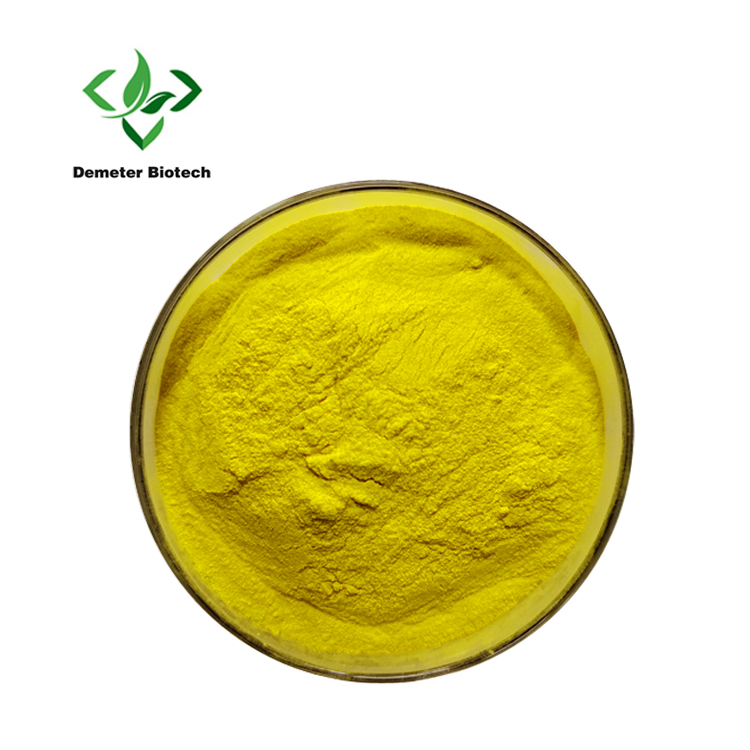
Brain, Mood & Sleep
Nootropic and relaxation actives with improved handling.
Vitamins & Minerals
Everyday nutrients reformulated for tolerance and uptake.
Botanical Extracts
Standardised plant extracts in liposomal form.
What We Measure — and What You Receive
Dry powder granule size, D50 and Span for flowability and dosing consistency
Nano-scale vesicle size, PDI distribution and zeta potential stability
Active assay, loading verification and encapsulation efficiency by centrifugation
Structural confirmation of spherical bilayer formation after rehydration
Heavy metal compliance — Pb ≤ 2 ppm, As ≤ 1 ppm
Encapsulation efficiency by flagship grade, verified by centrifugation and HPLC.
Where Liposomal Grades Earn Their Premium
Capsules & Tablets
High loading keeps serving sizes compact for space-restricted dosage forms.
Sachets & Drink Mixes
Water-dispersible powder re-forms a stable emulsion — no clumping, no sediment.
Functional Beverages
Nano-scale dispersion suits ready-to-drink and shot formats.
Beauty-from-Within
Actives such as glutathione and vitamin C for internal skin-brightening concepts.
Clinical & Professional
Batch-verified particle data for protocols that require documented specifications.
Gummies & Chewables
Odor masking and gastro-friendly profiles improve sensory acceptance.
Questions Procurement Teams Actually Ask
Request Specifications, Samples and Batch COA
Tell us the active, the target loading and the dosage form. We will return available grades, particle data and documentation for evaluation.
Note: Specifications listed are typical batch values for the flagship grades shown and are provided for evaluation purposes; confirm against the batch COA supplied with your order. Statements about delivery technology describe formulation science in general and have not been evaluated by any regulatory authority. This product range is not intended to diagnose, treat, cure or prevent any disease. Buyers are responsible for compliance with the labelling and health-claim regulations of their target market.
Post time: Sep-08-2026


